Category WHO

Innovación y acceso: ¿fisión o fusión? Entrevista a David Taylor, profesor de Políticas Farmacéuticas y de Salud Pública del University College de Londres

Tomando como referencia el trabajo del Grupo de Alto Nivel de las Naciones Unidas sobre el Acceso a los Medicamentos (UN High-Level Panel on Access to Medicines), esta serie de artículos patrocinados invita a expertos en la materia a expresar sus puntos de vista sobre las políticas que respaldan con mayor eficacia la formulación de soluciones que respondan a los principales desafíos de las sociedades, y sobre cómo los entornos propicios para la implantación de políticas, incluidas las relativas a los sistemas de propiedad intelectual, influyen en el desarrollo y el caudal de nuevas tecnologías y servicios en diferentes sectores, campos tecnológicos y territorios. Las opiniones expresadas en los artículos son las del autor.
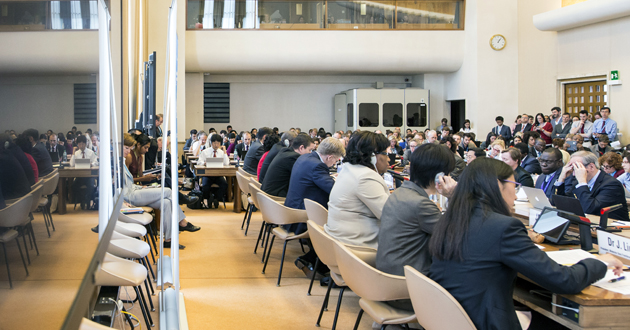
WHO Drafting Group Agrees Resolution On Health R&D

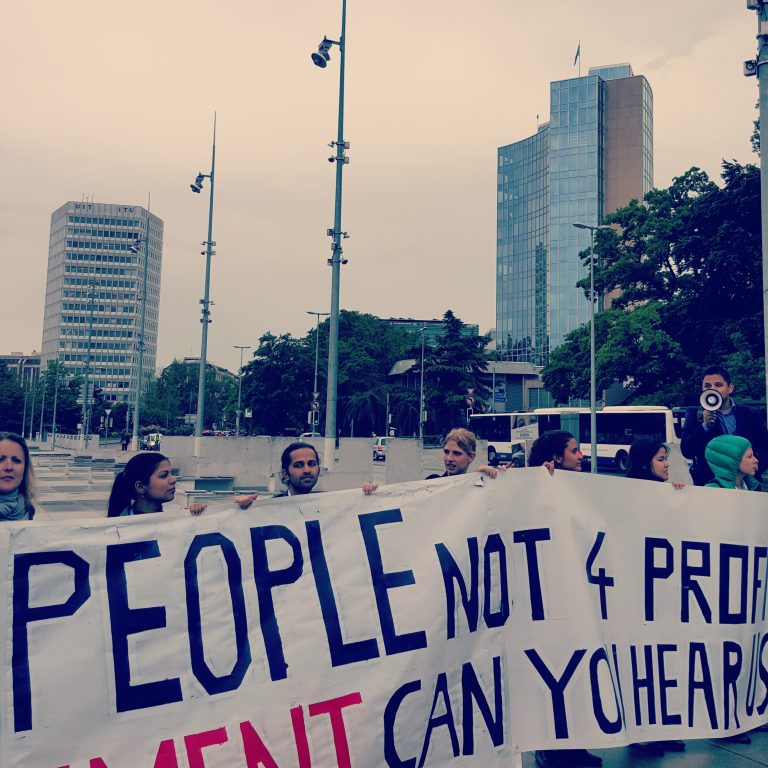
A closed-door drafting group this evening arrived seemingly easily at agreement on a resolution on broadening work on new ways to fund research and development into medical products, according to participants. The agreement includes the creation of a new expert committee on health R&D, and asks for a WHO proposal on a pooled fund, they said. [Update: draft text now available]

Global Health In The Glare In G7 Final Resolutions; Trade Deals Promised For 2016

Reform of the WHO, support for the Contingency Fund for Emergency to enable swift initial responses by the WHO, and a special R&D and innovation chapter in the G7 Ise-Shima Vision for Global Health that does not include the word intellectual property are some of the notables after the G7 Summit closed today in Japan. Counting pages, Global Health and lessons from the recent Ebola and Zika outbreaks did receive the biggest attention. But the G7 would not be its old usual without considerable warnings and some concrete proposals how to fight global terrorism and violent extremism.

WHO Reforms Health Emergency Response But Who Will Pay The Bill?

Two years after Ebola, the World Health Organization continues to push forward with a thorough overhaul of how it responds to health emergencies. These include Public Health Emergencies of International Concern (PHEICs), such as the Ebola and Zika outbreaks, as well as natural diseases, conflicts, refugee crises, and the like.

Against Microbial Resistance Peril, WHA Delegates Discuss Global Solutions, Approve Report

According to a new report, by 2050, some 10 million lives could be lost a year due to antimicrobial resistance. This is an issue which has been central to this year’s World Health Assembly, and is of global consequence. Delegates gathered for the occasion noted a report by the World Health Organization secretariat on the global action plan on antimicrobial resistance adopted last year and options to develop a global stewardship framework to try to limit the use of antibiotics and develop new ones.