Category United Nations – other

WIPO Marrakesh Treaty In Force By Early 2016? Now Part Of Bigger UN Process
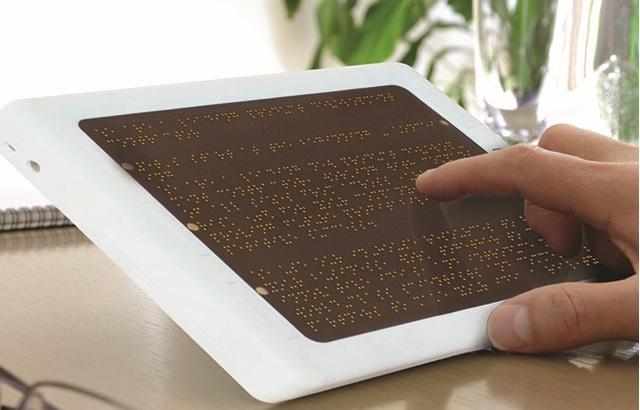
The 2013 World Intellectual Property Organization treaty on access to published works for print-disabled readers may go into effect by early 2016. And the treaty has become part of a bigger process at the United Nations on the rights of persons with disabilities, speakers at UN headquarters in New York said this week.
African Civil Society: Disillusionment, Mistrust In Bonn

We, the African civil society organisations participating in the Bonn Climate Change Conference, are gravely concerned about the progress of negotiations and wish to express our utmost disillusionment on the mistrust reigning the corridors of the new World Conference Centre here in Bonn.

WIPO Diplomatic Conference On GIs Starts With 28 Member Governments

Last-ditch efforts by a range of World Intellectual Property Organization members to join treaty negotiations at WIPO this week failed, as the 28 members of the treaty rejected a proposal to allow non-members. As a result, WIPO's biggest-paying member called into question the future legitimacy of the UN organisation.

Dissecting The “Internet Freedom” Agenda

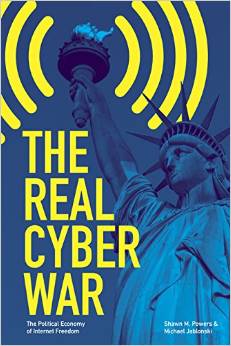
Both radical civil society organizations and mainstream defenders of the status quo agree that the free and open internet is threatened: see for example the Delhi Declaration, Bob Hinden’s 2014 Year End Thoughts, and Kathy Brown’s March 2015 statement at a UNESCO conference. The threats include government censorship and mass surveillance, but also the failure of governments to control rampant industry concentration and commercial exploitation of personal data, which increasingly takes the form of providing “free” services in exchange for personal information that is resold at a profit, or used to provide targeted advertising, also at a profit, Richard Hill writes in a review of the new book, The Real Cyber War: The Political Economy of Internet Freedom.

Philanthropies And Expression: An Interview With Ford Foundation President Darren Walker

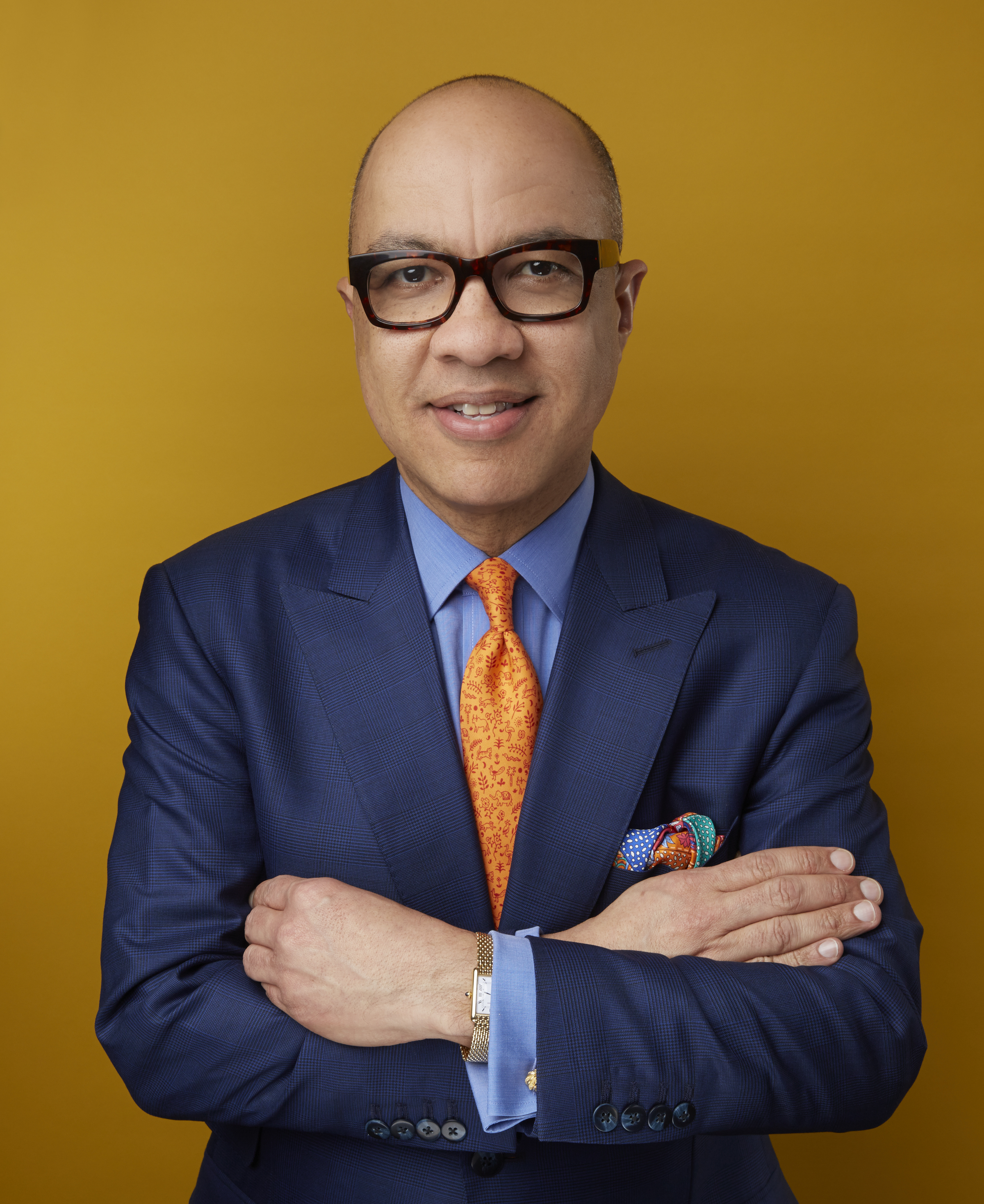
Darren Walker is president of the Ford Foundation, one of the largest and historically most influential private philanthropies in the United States, dedicated to human welfare worldwide. Among its areas of focus are programs on freedom of expression and internet rights, extremely timely given current national and global events. Ford, along with four other leading foundations, and leaders from government, business and the technology community recently announced NetGain, a partnership to “spark the next generation of innovation for social change and progress.” Intellectual Property Watch’s William New recently interviewed Darren Walker on his vision for the foundation, internet governance, and the world at large.

UN Expert Says Secret Trade Negotiations A Threat To Human Rights

The United Nations independent expert on the promotion of a democratic and equitable international order raised concerns over the lack of awareness about the negative effects that free trade and investment agreements have on human rights, especially in developing countries.…

A Global Digital Magna Carta? Maybe, But First Identify Needs, Panel Says

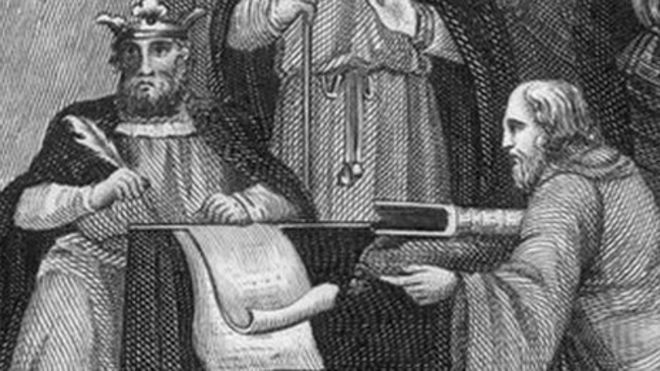
NEW YORK - A recent panel of internet governance experts was divided on whether a primary global set of principles protecting the balance of power on the internet is needed.

Whistleblowers: Little UN Protection For Exposing Wrongdoing

From AP: High-profile whistleblowers have joined forces for the first time in demanding that the United Nations change a global system they say deters its thousands of staffers from exposing crime, corruption and other wrongdoing.

In a letter sent to Secretary-General Ban Ki-moon on Wednesday, nine current and former U.N. workers say current policies offer "little to no measure of real or meaningful protection" from retaliation that can include firing, harassment and intimidation.

UN Human Rights Council Approves Expert On Privacy In The Digital Age

The UN Human Rights Council at its 28th session today in Geneva adopted a resolution that establishes a new mandate for a Special Rapporteur on Privacy in the Digital Age. The Council also approved a resolution extending the mandate of the Special Rapporteur in the field of cultural rights for 3 years, and took note of the current rapporteur’s recent report raising concerns about the impact of copyright on human rights.

Open Source Model In Computers Should Be Applied To Genomic Data, Paper Says

Genomic data should be made publicly available for the promotion of science as a global public good, a new paper argues. Two researchers suggest that a model inspired by the open-source computer software movement should be developed for plant breeding, animal breeding, and biomedicine.