Category United Nations – other

Innovation And Access: Fission Or Fusion? Interview with David Taylor, Professor of Pharmaceutical and Public Health Policy, University College London, UK

In the light of the UN High-Level Panel on Access to Medicines, this series of sponsored articles challenges experts to give their views on the policies that best support the development of solutions to societies’ greatest challenges and how enabling policy environments, including IP systems, influence the development and flow of new technologies and services in different sectors, fields of technology, and jurisdictions. The views expressed in the articles are those of the authors. Below is an interview with David Taylor, Professor of Pharmaceutical and Public Health Policy, University College London, UK.
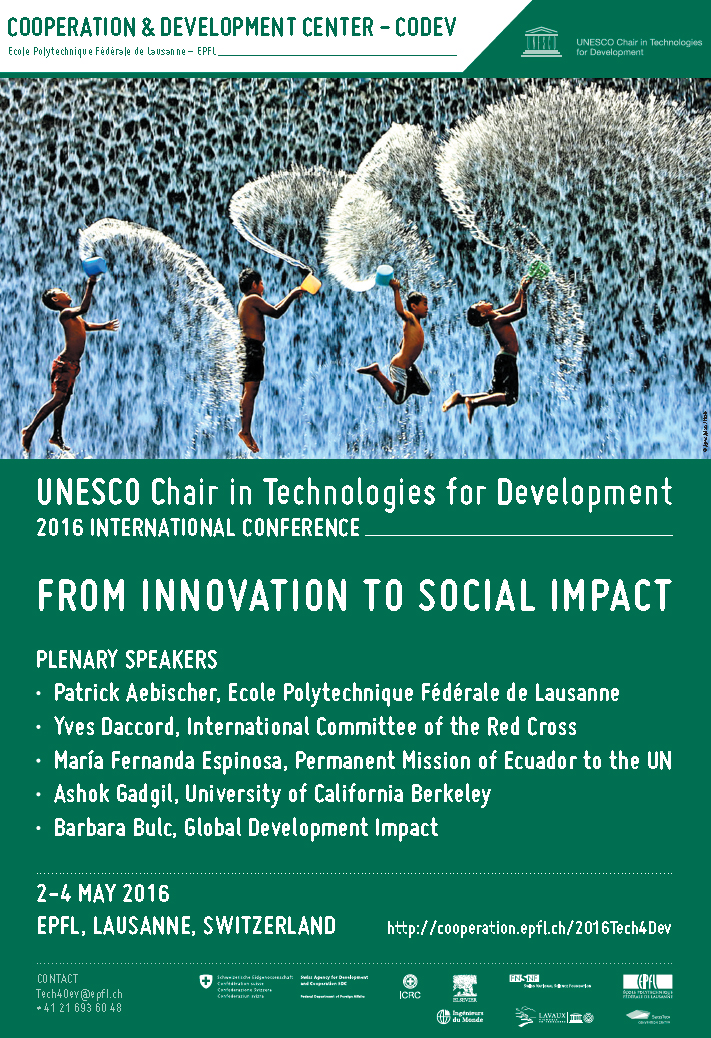
Tech4Dev Conference: Translating Innovation Into Social Impact

New technologies are of limited value if they are not accessible. Thus the crucial challenge lies not only in promoting innovation, but in translating innovation into social impact. This was the theme of the fourth Conference on Technologies for Development (“Tech4Dev”).

At UN Indigenous Forum, WIPO Gives Update On Negotiations

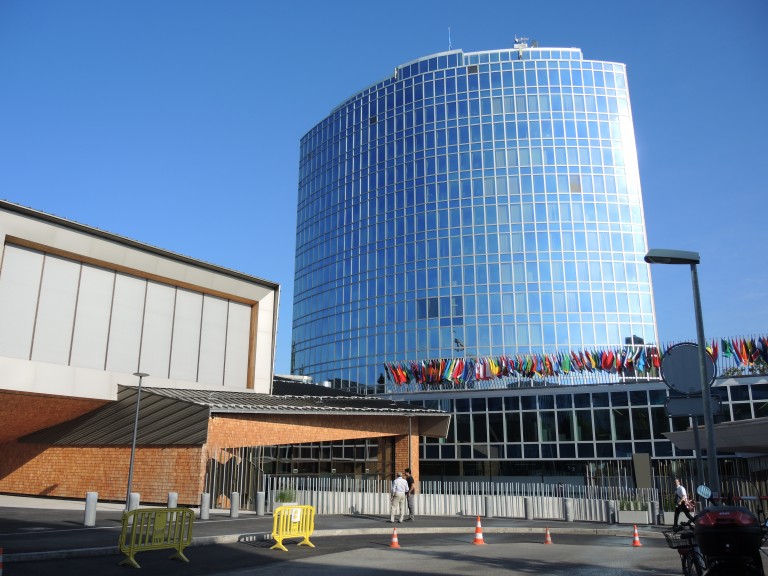
The World Intellectual Property Organization, a United Nations agency, today gave the UN in New York an update of ongoing negotiations for the protection of indigenous knowledge and genetic resources.

Citing “Toxic” Environment, US Congress Members Urge Secretary Kerry To Get UN Report On WIPO

The bipartisan heads of several United States congressional subcommittees have sent a letter urging the Obama administration to obtain the full and uncensored United Nations report on an investigation into possible misconduct by the head of the World Intellectual Property Organization. Meanwhile, procedural wrangling may be taking place within WIPO on who has the right to suppress or see the report.

WHO Debates Changes To Safeguards Against Undue Influence By Outside Actors

This week a group of delegates at the UN World Health Organization is seeking to finalise agreement on a draft framework defining the organisation’s relationships with external actors, such as philanthropy, the private sector, academia, and civil society. Today, Norway put forward a potential compromise. Meanwhile, dozens of civil society organisations called on member states to stand up to pressure to compromise the intergovernmental body’s independence from private sector influence.

Synthetic Biology: Is Scientific Progress Outrunning Normative Process? Case Of The CBD

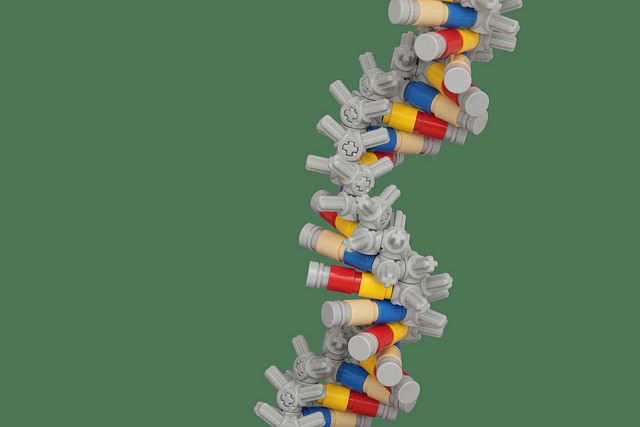
A research group announced in March that it has designed the first minimal synthetic bacterial cell. Rapid advances in science seem to be leaving the international normative process lagging behind. Current international instruments are seeking to understand how this new technology will impact their regulatory efforts, while civil society raises high concerns.

UN High-Level Panel: Ideas For Change To Global Health And IP System Proliferate

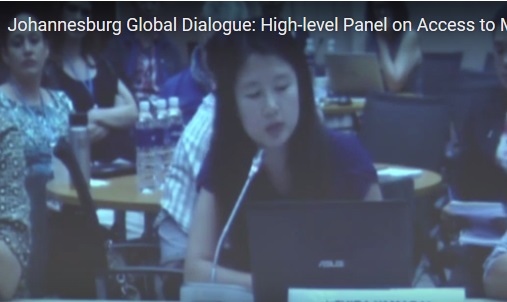
Public health advocates, academics, patients, governments and others this week presented further ideas to the United Nations Secretary-General’s High-Level Panel on Access to Medicines on ways to break the longstanding pattern of expensive medical products around the world as a way to pay for research and development.

Asian Voices On Access to Medicines: Scrap TRIPS, Voluntary Licences Not Working, FTA Threats

Speakers from Asian civil society provided recommendations to the public hearing of the United Nations Secretary General’s High-Level Panel on Access to Medicines held yesterday. They underlined the unaffordability of medicines in their countries, the inefficiency of current mechanisms such as voluntary licensing, and the pressure applied by pharmaceutical companies and the United States and Europe to prevent the use of compulsory licences. One speaker warned against the expert advice given by the World Intellectual Property Organization to least-developed countries, while others pointed to stringent intellectual property measures in free-trade agreements.