Category United Nations – other

WIPO Members Divided On IP Agency’s Role In Implementation Of UN Sustainable Development Goals

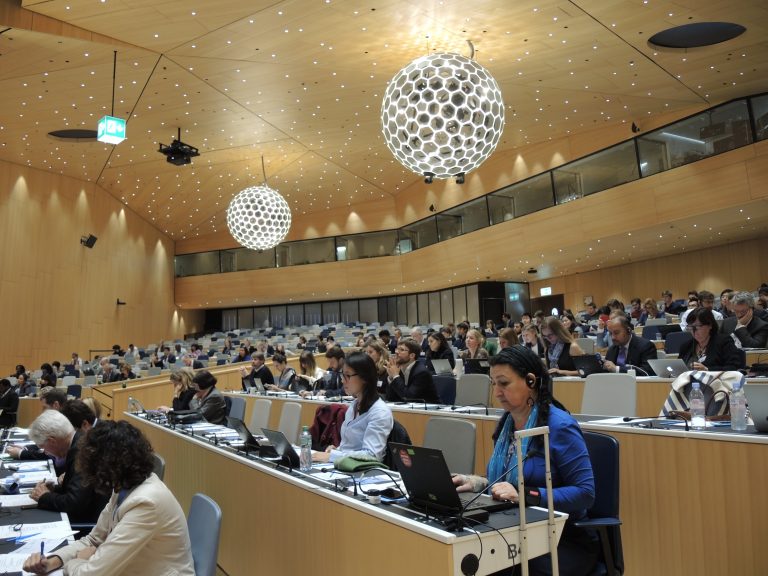
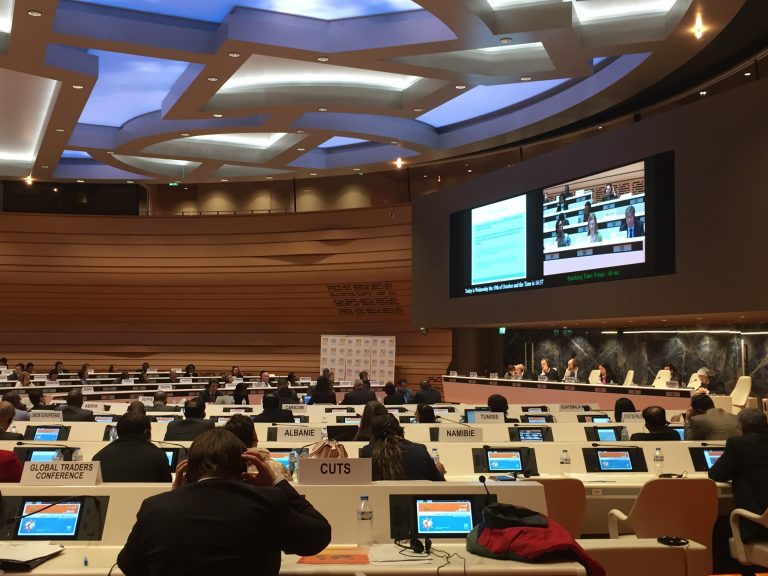
Countries of the world decided in 2015 to launch an ambitious agenda to end poverty, protect the planet, and ensure prosperity for all by 2030. What should be the role of the UN World Intellectual Property Organization in the attainment of the adopted United Nations Sustainable Development Goals? This question, discussed at the WIPO Committee on Development and IP, is dividing countries, as developed countries argue that only a few goals apply to the work of WIPO, and others argue that there should be no ‘cherrypicking’ as all the goals in one way or another do apply to WIPO's work as a UN agency.
Brazil, China, India, South Africa Put UN High-Level Panel On Medicines Access On TRIPS Council Agenda

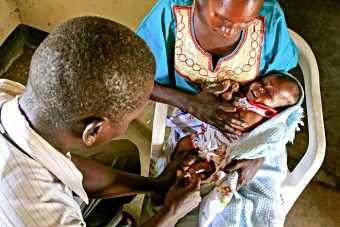
For next week's World Trade Organization intellectual property committee meeting, the major developing economies have submitted a request to discuss the recently released report of the United Nations Secretary General's High-Level Panel on Access to Medicines, according to Knowledge Ecology International (KEI). A key element of the UN report was to make it harder for countries deter or discourage other countries from trying to use patent flexibilities built into the WTO Agreement on Trade-Related Aspects of Intellectual Property Rights (TRIPS) - something the major developing economies have been discouraged from doing in the past.

Chan Issues Clarion Call For Increased WHO Funding

World Health Organization Director General Margaret Chan today warned of serious funding shortfalls for the current biennium endangering the implementation of certain programmes. Areas most in need of financing include non-communicable diseases (such as cancer, diabetes and cardiovascular diseases), food security, and antimicrobial resistance. The high-profile Health Emergencies Programme is also underfunded and Chan proposed to ask countries to raise their assessed contributions at the next World Health Assembly.

Antimicrobial Resistance Needs Research, Regulation, Speakers Say

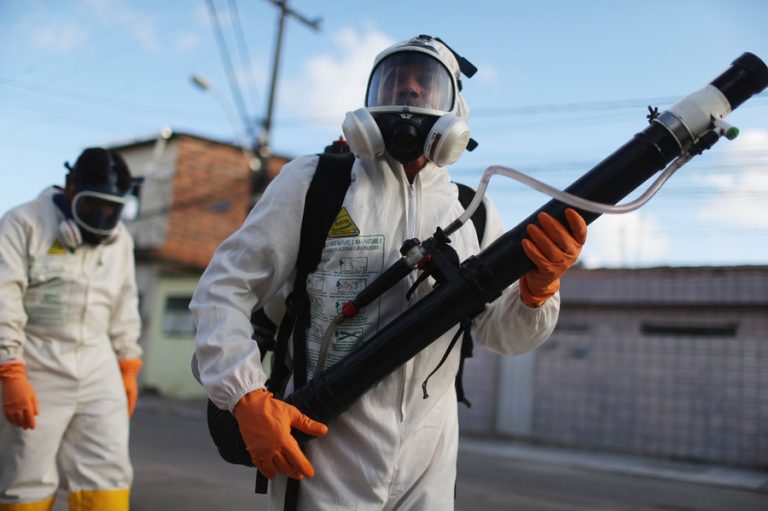
The issue of antimicrobial resistance has been in the spotlight in recent months as a growing awareness of the threat it represents for humanity has pushed discussions at the multilateral level. This week, the World Health Organization, World Intellectual Property Organization and World Trade Organization organised a symposium on the subject. Speakers discussed needs and potential solutions.

‘WHO Is Not Just Seeking To Be A Firefighter’ – Peter Salama On Reform And Emergency Response At The UN Health Agency

Under its new health emergencies program, the World Health Organization is setting up an improved structure for global health emergencies like the Ebola outbreak. But the UN agency is also opening itself up to a role as partnership broker to ensure the world has what it needs when the emergencies arise. And in doing so, WHO is trying to ensure that it remains the central player in global policy discussions and is not just an emergency response unit.

Freedom To Utilize Genetic Resources? The Nagoya Protocol Two Years Later

At its second anniversary, the Nagoya Protocol is ushering in an international access and benefit-sharing (ABS) system that may impact the freedom to operate with genetic resources. Those who utilize genetic resources and information should understand the emerging framework and take actions to reduce the risk of patent invalidation, legal liability and reputational harm that may flow from a violation of ABS requirements, writes Bruce S. Manheim.

Special Report: IP And Competition Law – Opposing Forces Or Partners For Consumer Welfare?

Intellectual property and competition authorities should collaborate, but other institutions should also have their say, such as health ministries, speakers said at a United Nations meeting of experts this week. And guidelines should be provided to judges in the difficult task of determining whether IP rights monopolies impede on competition, they said. This special report takes a deeper look at IPRs, competition, and differing economies.

Members Still Debating Changes To Oversight At WIPO

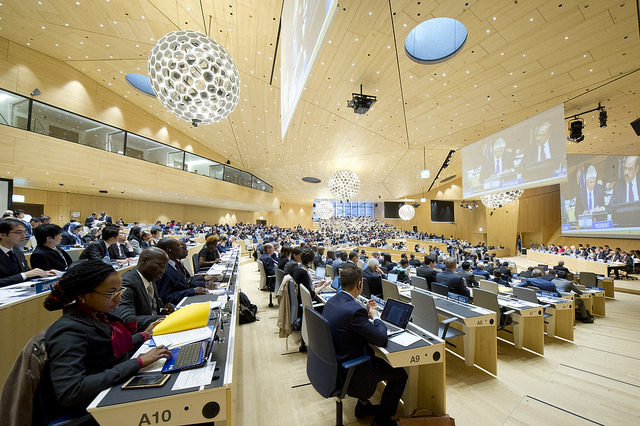
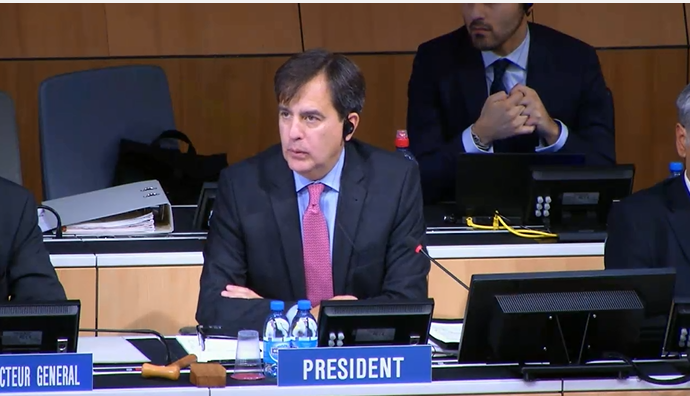
Stung by what some saw as a botched process for handling allegations from senior officials about the head of the World Intellectual Property Organization, WIPO members are working this week to agree on changes to procedures. A new draft text circulated this morning introduces additional responsibility for governments in the process, and is under discussion today. At press time, ambassadors from the African Group were meeting and asked to hold up the process until internal agreement could be reached on the text. The plenary is scheduled to reconvene at four o'clock today.