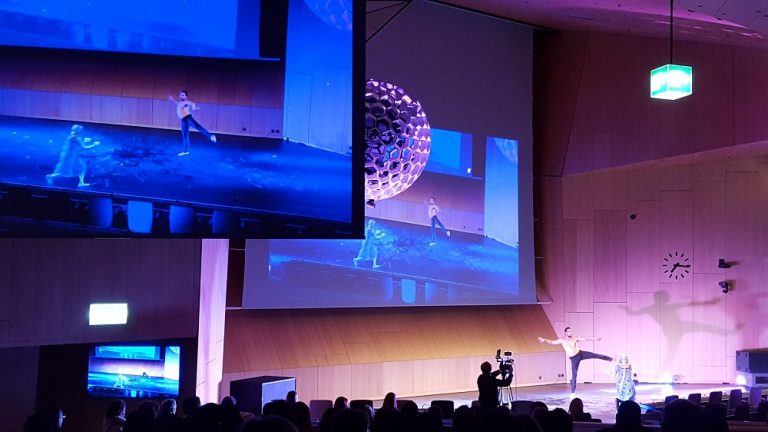
Australia’s Indigenous Culture Event at WIPO Showcases Human Rights Candidacy
The creativity-oriented UN World Intellectual Property Organization is often at its best when displaying the colorfully multicultural nature of its membership.

Original news and analysis on international IP policy
The creativity-oriented UN World Intellectual Property Organization is often at its best when displaying the colorfully multicultural nature of its membership.
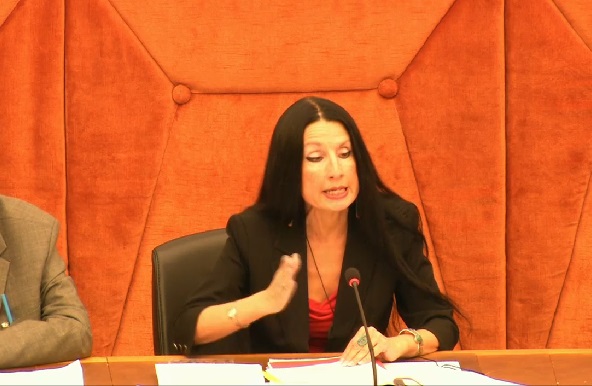
A panel of indigenous peoples speaking at the United Nations World Intellectual Property Organization on a potential treaty protecting their folklore from misappropriation asked that indigenous culture be recognised as unique, and not unduly considered as belonging to the whole of mankind. The keynote speaker chastised the United States position in the committee, criticised a US recent document equating the cultural significance of Santa Claus, pizza and sand paintings, and called for the respect of indigenous peoples' sovereign rights over their cultural expressions.
A new paper from the intergovernmental South Centre argues that intellectual property provisions in recent free trade agreements would impair countries trying to fulfil the United Nations Sustainable Development Goals. Image Credits: South Centre
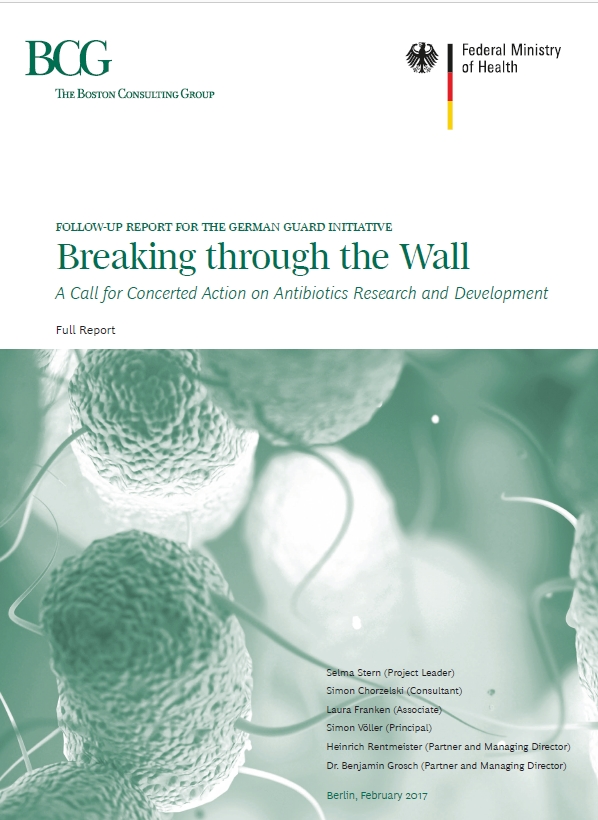
In the face of the lack of attractiveness of investing in research for new antibiotics for the pharmaceutical industry, and the general lack of funding for research and development for novel antibiotics, a new report commissioned by the German Federal Ministry of Health calls for countries to take action. In particular, the report proposes a global union for research and development, a global research fund, and a global launch reward. And access and pricing are key components of the strategy, it says.
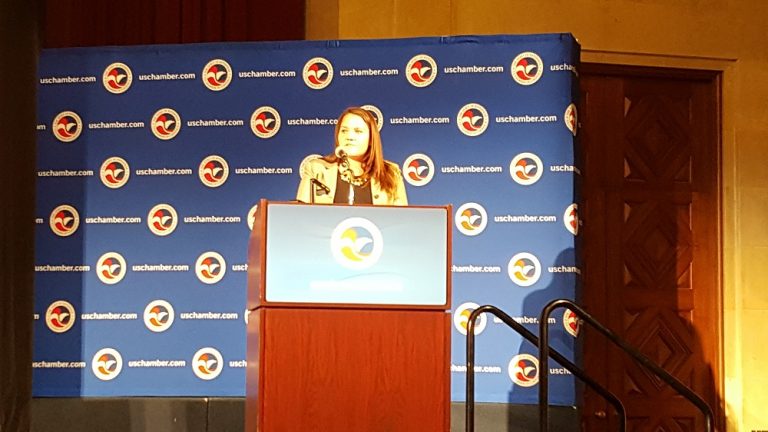
Calling it flawed and narrow and seemingly threatened by its contents, the leading United States business group and US government IP specialists are working to limit the impact of a recent United Nations report that made recommendations for the decades-old problem of ensuring affordable medicines reach people when they are under patent in a way that does not threaten innovation. One step in countering the UN report? Change the discourse in Geneva and elsewhere.
As the World Trade Organization intellectual property committee meeting next week is expected to discuss the report of the United Nations Secretary General’s High-Level Panel on Access to Medicines next week, a group of developing countries is convening a side event to engage in discussion with members of the panel. The report included several direct recommendations to WTO members.
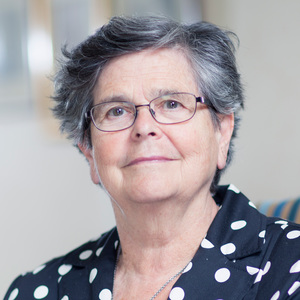
Former Swiss President Ruth Dreifuss, co-chair of the United Nations Secretary General’s High-Level Panel on Access to Medicines, participated in a Geneva event on rare diseases earlier this month. She agreed to answer Intellectual Property Watch’s Catherine Saez about the High-Level Panel report, in particular how it was received by the international community, her take on criticisms that have been voiced, and the importance that the report be discussed at the international level such as the World Health Assembly.
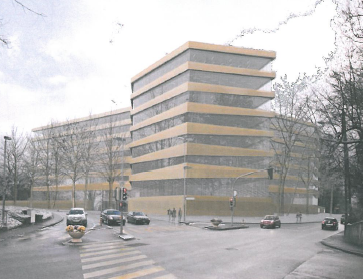
The construction of a new building to host the Global Fund to Fight AIDS, Tuberculosis and Malaria and other key players in the area of global health is well under way in Geneva. The “Campus Santé” (Health Campus) is expected to open its doors at the beginning of 2018. The hosts of the building will be tenants, while the investment costs are borne by Crédit Suisse, a prominent Swiss investment bank.
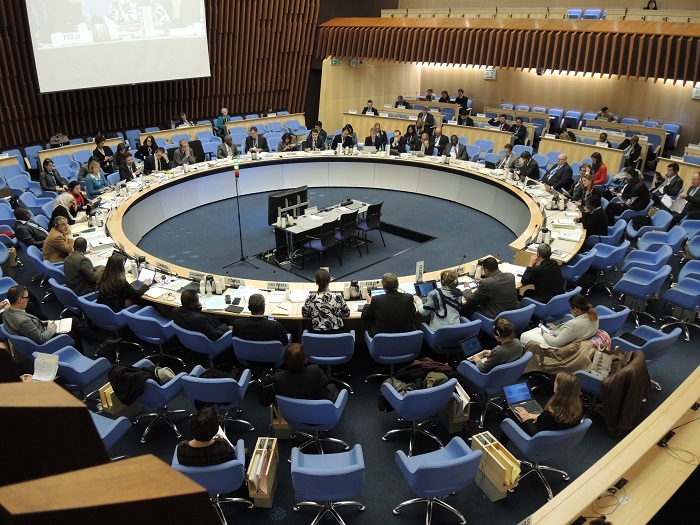
Despite being in a time of tight budgets, the World Health Organization Executive Board meeting which ended this week had its heaviest agenda ever, according WHO Director General Margaret Chan, adding to staff workload and expenses. But the Board finished its work a day early (though after holding three evening sessions), earning praise from Chan. Efforts during the week to make meetings more efficient by limiting agenda items and reducing time allowed for statements fell short. Separately, concerns arose over a leadership advisory group to the WHO director general.

The World Health Organization Executive Board ended its meeting one day early today, and agreed to have five new institutions to enter into official relation with the organisation, including the Bill and Melinda Gates Foundation, despite protests from civil society groups, and Knowledge Ecology International, led by activist firebrand Jamie Love. Meanwhile, the WHO is pursuing the implementation of its framework of engagement with non-governmental actors adopted in 2016. WHO members urged the organisation to speedily provide implementation tools such as a register of all such actors. The WHO said all is on track and is expected to be ready by the next World Health Assembly.
As the World Health Organization Board prepares to consider candidate institutions to be admitted into official relations with the organisation, some health and public interest groups are raising alarm at what they see as a seeming lack of safeguard against conflicts of interest. Particular concern has been raised over admitting the Bill & Melinda Gates Foundation as an observer because of the Foundation trust’s investments in business ventures such as Coca-Cola, which they see as contrary to health goals. But the Gates Foundation, which is the biggest private donor to the WHO, said the trust is a separate entity from the foundation, and therefore does not represent any conflict of interest.
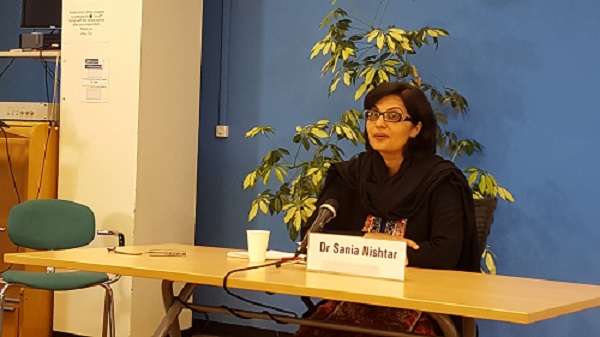
The three remaining candidates to be director general of the World Health Organization today met at length with UN journalists in the WHO and highlighted their plans for reform including finding new sources of funding for the continually cash-strapped UN agency that now could face threats from the US president to cut US funding.