Category North America

Advocates Call For New US Federal Authority On Artificial Intelligence

Public Knowledge, a Washington, DC advocacy group, today released a paper calling for the formation of a new federal government authority to develop expertise and capacity on artificial intelligence (AI), to be able to effectively regulate and govern these technologies in the future.
Report: Is China Gaining The Inside Track On Standards For “Internet Of Things” Technology?

A new US private sector report asserts that China is gaining the inside track on international standard-setting for “Internet of Things” technology, and offers strategies for the United States to keep competitive in the marketplace by maintaining influence over standard-setting while protecting data security.

Lurking In USMCA – IP Provisions With An International Agenda

Donald Trump is no fan of international norms or rules. He’s made this clear on numerous occasions, including during his two speeches at the United Nations. It is surprising, therefore, that one of the few international deals he has made as president – the recently announced treaty replacing NAFTA – contains IP provisions whose main purposes seem to be extending US rules overseas and establishing IP norms for future international agreements.

USPTO Director: It’s A New Day At The PTAB! Is It A New Day For Low-Quality Patents?

United States Patent and Trademark Office Director Andrei Iancu yesterday proclaimed what industry patent attorneys may have wanted to hear, that the recently implemented system for challenging the quality of patents in the United States could be reined in under his leadership.

US Releases New Medicare Drug Plan To “Pay The Prices Other Countries Pay”

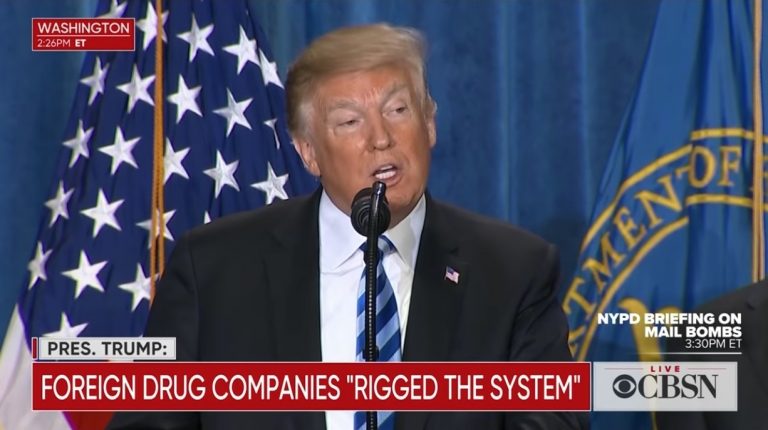
The United States Department of Health and Human Services has released a new plan intended to reduce drug prices for some patients on Medicare, based on an international pricing index model. In his announcement of the plan, President Trump said the US would save money “for our seniors by paying the prices other countries pay. Nothing special, just the prices that other countries pay.”

ICANN Frees .Amazon Domain For Company Delegation

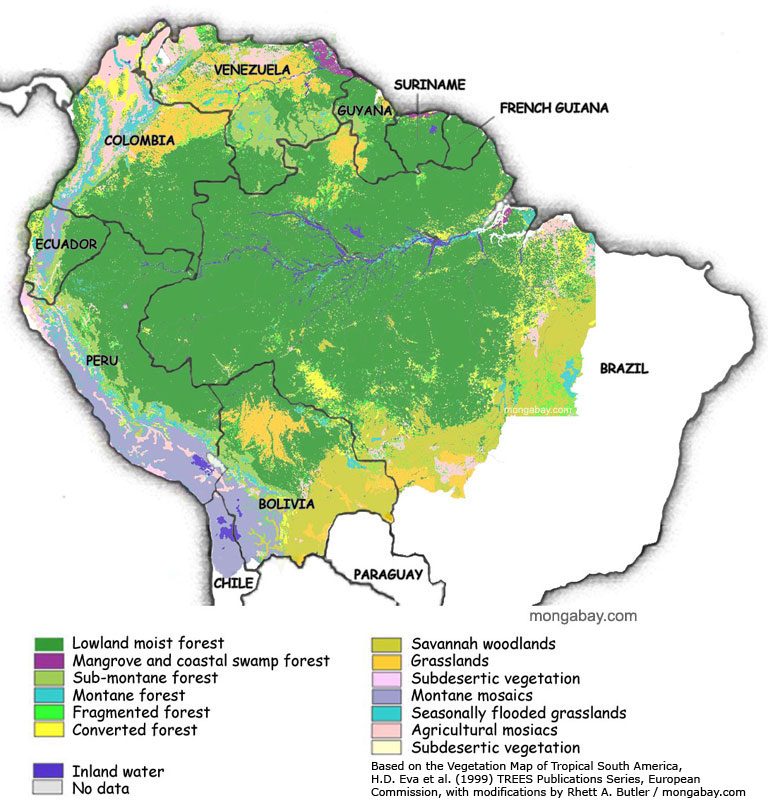
The Internet Corporation for Assigned Names and Numbers (ICANN) has lifted the stop on delegating the .amazon top-level domain, effectively handing it to the company over the South American region, depending on agreement with states in the Amazon region.

New US Law Requires Reporting Of Biologic, Biosimilar “Pay-for-Delay” Pacts

The Patient Right to Know Drug Prices Act became effective in the United States on 10 October. Among other things, it extends to biologic and biosimilar products a 2003 law requiring drug manufacturers to notify US antitrust authorities of patent settlement agreements. The idea is to cut down on so-called “pay-for delay” tactics which can slow the introduction of cheaper medicines into the market.

Microsoft Joins Open Invention Network In A “Nice Validation” Of Open Source Movement

Tech giant Microsoft’s 10 October announcement that it will participate in the Open Invention Network is a “nice validation” of the organisation and a pragmatic acknowledgement that the open source software community is interdependent, CEO Keith Bergelt said in an 11 October interview. Microsoft said its decision to join reflects its changing views on patent practice.

US Music Modernization Act Becomes “The Law Of The Land”; A Boost For Songwriter Compensation

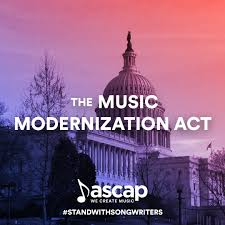
The Music Modernization Act, legislation that will transform the music licensing framework in the United States, was signed into law by President Donald Trump during a ceremony at the White House on 11 October that included several artists such as Sam Moore from Sam & Dave, Kid Rock, Mike Love of the Beach Boys and Jeff Baxter of the Doobie Brothers and Steely Dan, among others.

Trade Agreements Making Rules In New Technologies, Territoriality An Issue For IP In Digital Age

As new technologies have pervaded society, with more to come, policymaking has become a difficult exercise. Rules established before those game-changing technologies might be outdated. A session at the World Trade Organization Public Forum last week looked at how intellectual property rules are faring in the time of digital technologies. Speakers remarked on the role of regional trade agreements in norm-setting, and the growing issue of the territoriality of rights for copyright.