Category North America

Survey Finds Promising Future, Major Challenges For Augmented And Virtual Reality

Optimism is said to exist about the future of augmented reality (AR) and virtual reality (VR) following a survey completed by over 650 respondents in the industry. Though growth and investment are anticipated, concerns about a lack of compelling content and cost and issues with the user experience were among the survey’s key findings. Legal risks were identified as well, with the highest percentage relating to technology and intellectual property licensing.

Blockchain Technology Raises Challenging IP Issues, Say Speakers

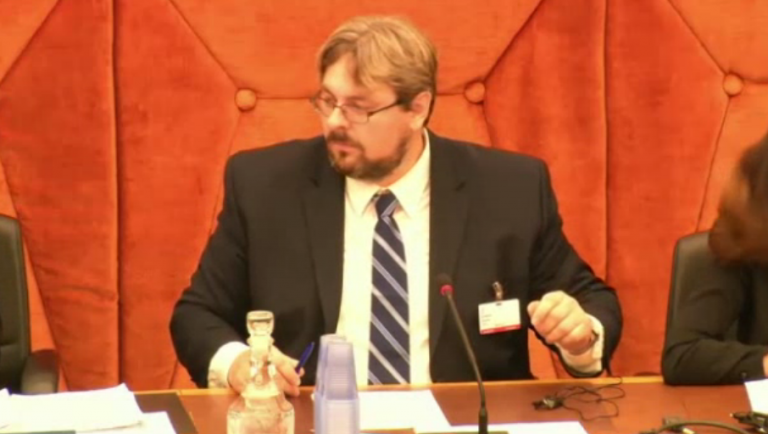
Blockchains, such as the well-known bitcoin, are not yet well-defined but are creating a lot of hype, speakers at a 23 August Intellectual Property Owners' Association webinar said. Two things are clear so far, they said: the technology is in its infancy, and there are lots of unresolved questions about what is patentable and how IP laws intersect with the mostly open source software used in the systems.

Industry’s Proposed Changes To Draft TPP Were Not Protected Under National Security Exemption, US Judge Says

Changes to the draft text of the Trans-Pacific Partnership agreement (TPP) suggested during negotiation of the treaty are not protected under the national security clause of the US Freedom of Information Act (FOIA), a judge ruled yesterday in a rare rejection. But he also defended USTR’s protection of information on the basis that other countries in TPP might accuse the US of “steamrolling” them if US textual proposals from the negotiations were revealed.

New US Government Source Code Policy Could Provide Model For Europe

The United States government this month published its new federal source code policy to allow government-wide access to custom source code developed by or for any agency of the federal government. The policy, which aims to reduce duplication, avoid technology “lock-in,” and tap the best minds in or outside government, has caught the attention of free software developers in Europe who are hoping to use it as a basis for change there too.

The Downfall Of Invention: A Broken Patent System

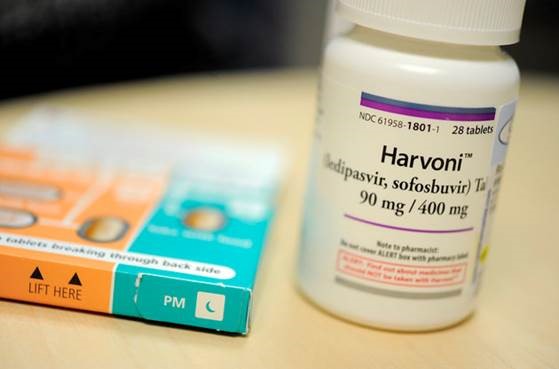
The cost of dozens of brand-name drugs have nearly doubled in just the past five years. Public outrage over drug prices extends from Capitol Hill to the presidential candidates to patients. In response, pharmaceutical executives are spending more on lobbying and marketing. Yet for all this attention, most of the proposed solutions for reducing prescription drug costs—tougher negotiations, appeals for transparent R&D costs or investigations into insurers—miss one of the primary sources of the problem: the way we award patents, writes Tahir Amin.

Number Of Unique Patent Assertions Declined Over Years, Patexia Finds

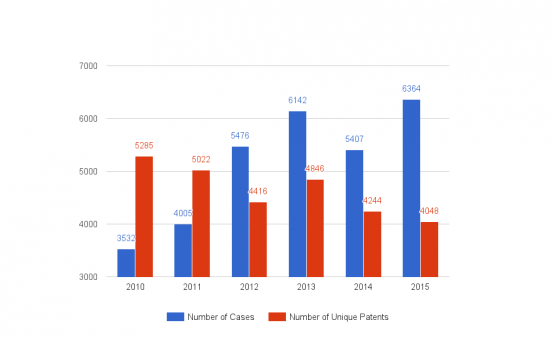
Pedram Sameni of Patexia writes: We recently studied the PTAB data and suggested that although the rise and fall in litigation indirectly affected the rise and fall in IPR challenges, the true driver of IPR challenges is the number of unique patents asserted each year. To learn more, we decided to look at the number of unique patents asserted against different defendants since 2010. We made several interesting discoveries, including the surprising fact that even though the number of cases has been rising, the number of unique patents asserted each year has been declining.