Category Asia/Pacific

Thailand Toughens Copyright Law To Deal With Internet Providers, Unlawful Movie Recording In Theaters

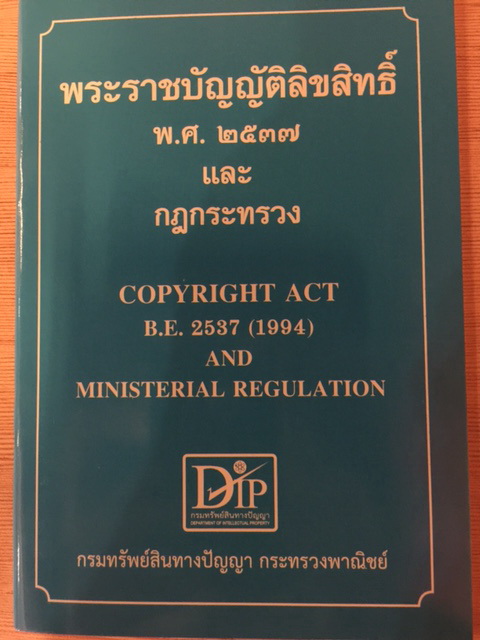
BANGKOK - Thailand has toughened its copyright law to include, for the first time, responsibility of intermediaries, or internet service providers, for infringement of copyright work on the internet, and separately, to penalise people who record movies being shown in theatres without authorisation with a maximum imprisonment of four years.

Manila Principles On Intermediary Liability Offer Vision For Balance

A new set of principles launched this week by a range of global non-governmental organisations attempts to set out guidelines for internet intermediaries’ liability for content of communications. The six principles, which are seeking endorsement from organisations and individuals worldwide, address freedom of expression, freedom of association, and the right to privacy.

How The Leaked TPP ISDS Chapter Threatens Intellectual Property Limitations and Exceptions

Warning: Attempt to read property "post_title" on null in /home/clients/5bc716f64eaa5eb2ef6cc74a6b9b690a/sites/kait2.ip-watch.org/wp-content/plugins/better-image-credits/better-image-credits.php on line 227

By Prof. Sean Flynn, Associate Director, Program on Information Justice and Intellectual Property (PIJIP), American University Washington College of Law Reposted with permission from Infojustice.org, original here. I released a statement earlier today opining that the today’s leak of the…

Indian Draft Pesticides Bill Contains TRIPS-Plus Data Exclusivity, Indian Pharma Says

India is considering legislation on pesticides containing data exclusivity provisions that would raise the level of intellectual property protection above the minimum required by international trade agreements and could act as a precursor for pharmaceutical products in the country, a leading Indian industry representative warned this week. India is sensitive to restrictions on the use of marketing data of patented pharmaceuticals as it is seen as the world leader in generic medicines, which use such data.

Revolving Chairs In The IP World: People Shift Positions. But Interests? Not So Much

A lot has happened among the global intellectual property community over the past months. Beyond the usual shifts in law offices, many key positions have either changed hands or been filled. For example, the European commissioners changed, and the United States nominated a new "piracy czar" and a new head of the US Patent and Trademark Office. The International Telecommunication Union, UNITAID and other organisations have new heads. And the World Intellectual Property Organization has a new top management team.

Non-governmental organisations and the private sector also saw a lot of movement in recent months, such as the Electronic Frontier Foundation, the Computer & Communications Industry Association, the International Trademark Association, the International Publishers Association, and the Motion Picture Association of America.

In this article, we take the opportunity to catch up. Here is a look at some of the changes.

USPTO Acting Director Discusses Patent Quality, Pendency, Harmonisation

At today's meeting of the "trilateral offices" - the United States, Europe and Japan - Deputy Director of the US Patent and Trademark Office Michelle Lee gave an update of USPTO activities, including improvements in patent quality, patent pendency, and discussions about patent harmonisation.

Circuit Courts Open As Satellites Of China’s Supreme People’s Court

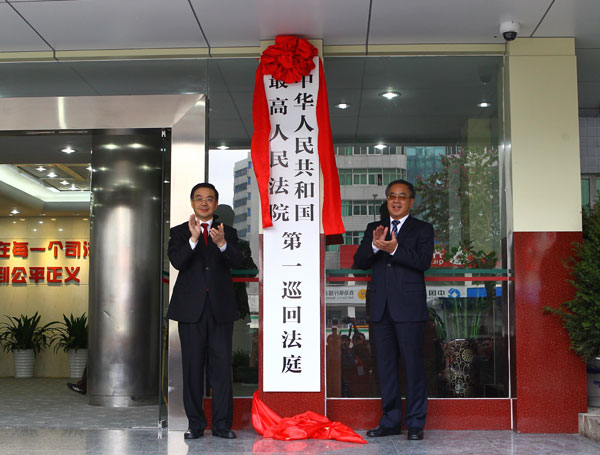
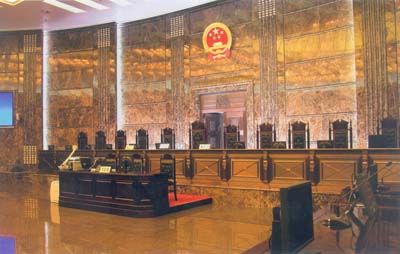
After long preparations, the Second Circuit Court of China’s Supreme People’s Court was officially instituted in Shenyang city, Liaoning province in northeast China on 31 January. Qiang Zhou, president and chief judge of China’s Supreme People’s Court, attended and addressed the nameplate unveiling ceremony of the Second Circuit Court.

Special Report: Will India Bend To US Pressure On IP Rights?

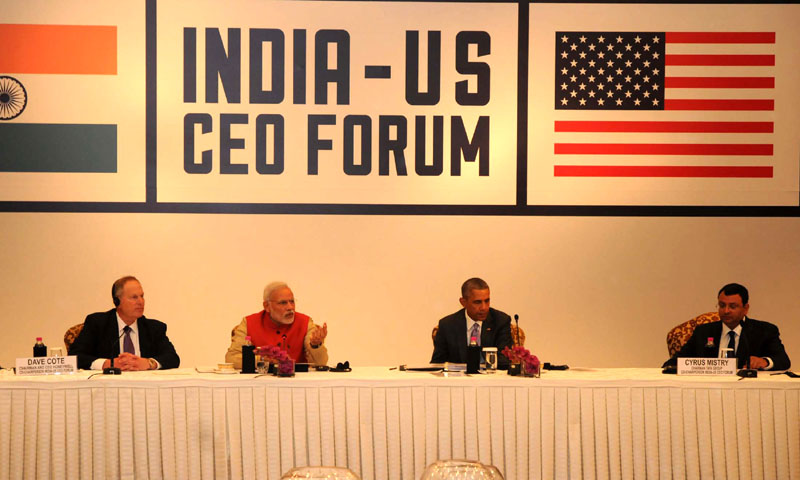
It is no secret that the United States has been scaling up pressure on India to adopt intellectual property measures similar to those common in the United States and the European Union. But to what extent does India’s new government led by the business-friendly Narendra Modi see eye to eye with US official position? Can India, the “pharmacy of the world”, resolve the friction between pharmaceutical patents and access to affordable medicines without putting off foreign investors? The vitriolic and polarising debate surrounding these questions has got a fresh lease of life following US President Barack Obama’s landmark three-day visit to India this week.

While Indian and American business moguls are bullish about the future, Indian generic drug-makers as well as health activists within and outside India are deeply anxious about the shape of things to come

Technical Investigators Have Rules To Follow In China’s Intellectual Property Courts

BEIJING - With the Beijing, Shanghai and Guangzhou Intellectual Property Courts being put into operation late last year, the rules for technical investigators had been missing until 21 January, when the Supreme People’s Court released the Provisional Regulations of the Supreme People’s Court on Several Issues concerning the Participation of Technical Investigators in Intellectual Property Court Proceedings. This is China’s first of its kind making rules for technical investigators.