Category Africa

Clinical Trial Transparency, Medicines Access On Agendas Today

The World Health Organization today issued a call for disclosure of results from clinical trials for medical products, no matter what the results of the trials were. And a variety of events and publications are addressing medicines access today.

Manila Principles On Intermediary Liability Offer Vision For Balance

A new set of principles launched this week by a range of global non-governmental organisations attempts to set out guidelines for internet intermediaries’ liability for content of communications. The six principles, which are seeking endorsement from organisations and individuals worldwide, address freedom of expression, freedom of association, and the right to privacy.

Redesign Of Ebola Treatment Units Draws 1500 Innovations, Including Locally

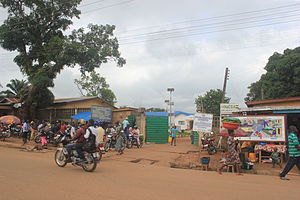
KAMPALA, UGANDA - In light of the persistence of the Ebola outbreak and the demands it has placed on global infection containment resources and processes, the United States government disaster response community recognised an opportunity to use open innovation to make significant strides in advancing the ability to combat Ebola. The results include a local success story.

South Africa Awaits Patent Reforms With Hope, Concern

CAPE TOWN - South Africa’s new policy on patents could go to the Cabinet for approval soon, says Doctors without Borders (Médecins Sans Frontières, MSF), one of the organisations spearheading the Fix the Patent Laws campaign in the country.

Ebola Crisis Has Severe Impact On AIDS Response In Sierra Leone, UNDP Report Says

According to an internal report of the United Nations Development Programme (UNDP) Global Fund Partnership team, the Ebola epidemic has virtually halted national HIV efforts in Sierra Leone. In particular, patients stopped their treatments and the supply chain was disrupted.

Copyright Policy And The Right To Science And Culture

Reposted from Afro-IP and infojustice.org: A report entitled 'Copyright policy and the right to science and culture' authored by the UN Special Rapporteur in the field of cultural rights, Farida Shaheed, has been released, writes Prof. Carolyn Ncube.

South Africa Supreme Court Of Appeal Losing Its Shape

South Africa's Supreme Court of Appeal has been blessed for the past few decades by having in its ranks judges who have experience and expertise in the field of Intellectual Property Law, writes law professor Owen Dean. With the recent retirement of Louis Harms, the bench at the Supreme Court of Appeal has been denuded of judges who can be regarded as IP experts. The paucity of IP experience on the bench is regrettably beginning to show.

In recent times the Supreme Court of Appeal has given three IP judgments in trade mark cases which, it is respectfully submitted, have been wrongly decided and are not in harmony with the principles of trade mark law and practice, Dean argues.

Uganda: International Standard Book Number Helps Authors, Readers Identify Publications

The publishing industry in Uganda is a fast-rising sector, gauging by the many emerging publishing houses and self-publishers. With many titles on display, one of the ways authors and readers identify published works is the use of International Standard Book Number (ISBN).

Uganda Adopts Free And Open Source Software For E-Governance

The population in Uganda has been growing rapidly. The country now has 35 million people. In order to provide quality services to its citizens and to improve the national competitiveness through administration innovation, the government has adopted free and open source software as the preferred mode of operation for electronic government (e-government) services and platforms.

WIPO Seminar: For Access To Hepatitis C Treatments, Look At HIV Lessons

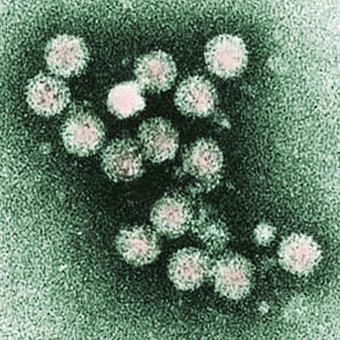
A seminar on innovation and access to medicine last week examined the issue of access to hepatitis C treatment, looking at the HIV/AIDS path. Voluntary licences, such as the one entered by Gilead for its hepatitis drugs, have been applauded but such licences often do not cover middle-income countries, which are home to the bulk of hepatitis C patients, and whose poor populations remain unable to access treatment.