Category Other International Orgs

Voluntary Sustainability Standards: Virtue Enhancers Or Trade Discriminatory?

Voluntary standards are seen by some as acting as barriers to trade, in particular for developing countries unable to meet the requirements of those private standards. At the World Trade Organization Public Forum, two panels presented two approaches, one looking at governments' role in voluntary sustainability standards, and launching a report by a multi-agency United Nations initiative on those standards. The other one focused on the challenges private standards can represent for developing countries.

Intergovernmental Organisations Swap Notes On Working For Inclusive Trade

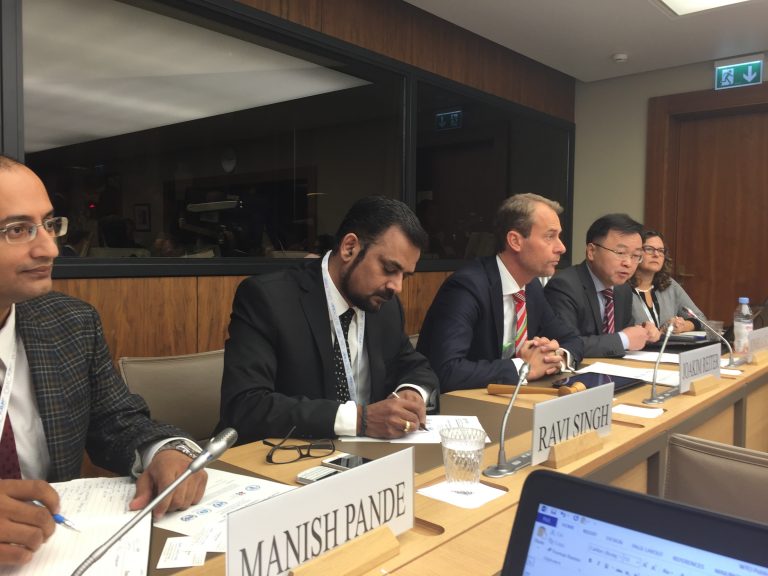
If world trade is to be more inclusive it needs to assess a populist backlash against trade that is occurring in different parts of the world, says Jean-Baptiste Velut, an associate professor at Sorbonne Nouvelle University of Paris. Velut was introducing a panel yesterday during the 5th World Trade Organization Public Forum, an annual event that brings together stakeholders and members of the public to discuss trade issues, with the focus this year on inclusive trade.

Panel On The Right To Scientific Progress And Freedom For Scientific Research

Scientists, national and United Nations representatives, academia and civil society this week explored and elaborated on the right to enjoy scientific progress and the freedom which is indispensable for scientific research. The right was placed in the context of today’s global challenges and scientists presented the latest examples of their research, in which human rights related to freedom of scientific research could be applied. The panel set out promote systematic dialogue to foster an understanding of the right and of what is being advanced.

The Expert On IP For Internet Protocol: Interview With Scott Bradner

Fluent in both types of IP: Scott Bradner has been an architect of intellectual property (IP) policy for internet protocol (IP) standards. He played a core role in the development of internet protocol, leading to the very digital revolution we know today, as well as the next generation IPv6, all the while designing intellectual property policy to go along with it. Here is an interview with Bradner.

Olympic Games: Trademark Revenues Are High Stakes

With a budget of over 2 US$ billion, the Brazilian Olympics rely heavily on commercial sponsors and licensing for revenue. Protecting the Olympic symbols is thus an imperative for the games with stringent rules on the use of those symbols and related signs. However, the fame of the event also draws covetousness from a variety of commercial actors seeking free rides, which is a dangerous endeavour, according to legal sources. Brazil adopted special rules for the occasion, while in the United States the protection is particularly stringent.

Officials Discuss Meeting Global Fund Target Of US$13B

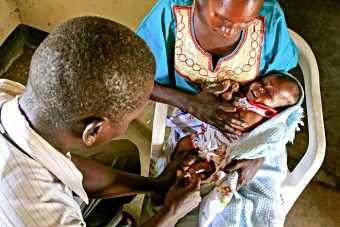
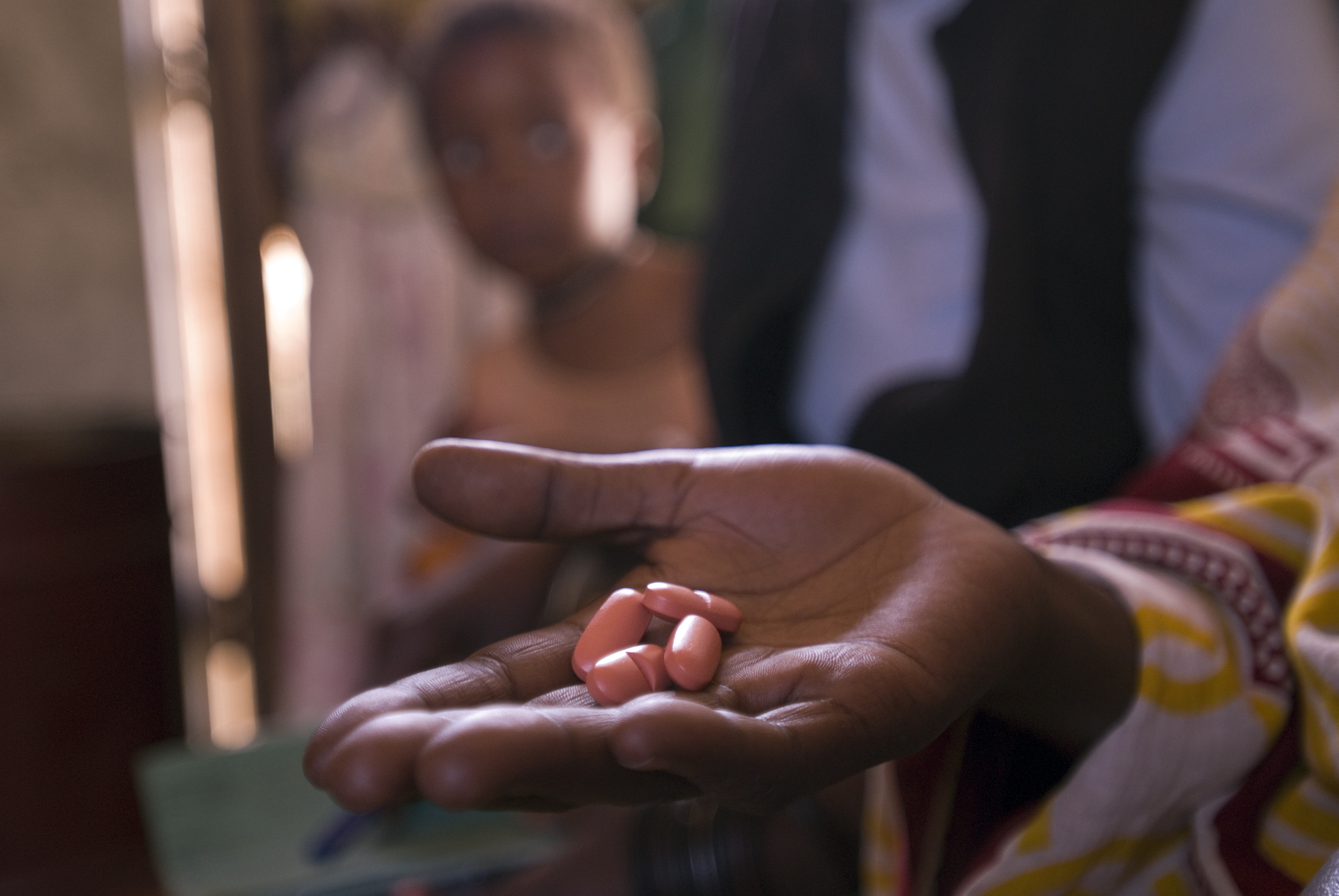
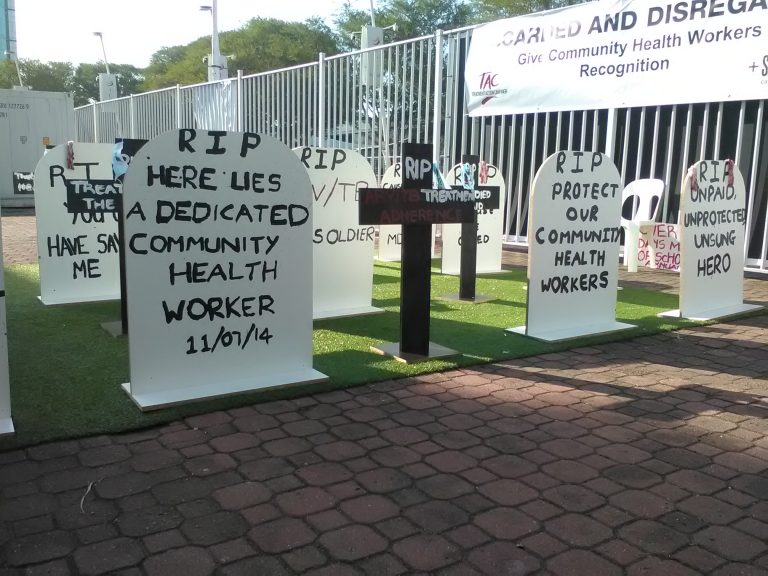
DURBAN, South Africa – As the fund to help the world’s most suffering prepares for a conference hosted by Prime Minister Justin Trudeau and the government of Canada in September to raise US$13 billion for its 2017-2019 period, the prospect of failing to meet the target is unsettling for the civil society and the health community.

The Significance Of Uruguay’s Win Over Philip Morris International

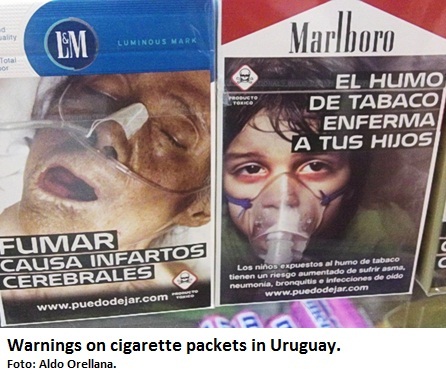
The tobacco industry’s global efforts to use bilateral and multilateral agreements to challenge the spread of tobacco control measures such as trademark-minimising plain packages were dealt a significant blow last week when the World Bank dispute settlement body dismissed a case brought by Philip Morris against the government of Uruguay.

The decision is seen a landmark for those who view the company as using test cases to continually challenge and delay public health protection measures and discourage other countries, particularly those with fewer resources, from strengthening their health regulations. Additionally, the case reasserted that trademarks are subject to government regulations and also illustrated the role that international organisations and actors can play in support of national governments defending their health measures.