Category ITU/ICANN

Hackers For Good, Gathering Stakeholders To Find Answers To Cyberspace Challenges

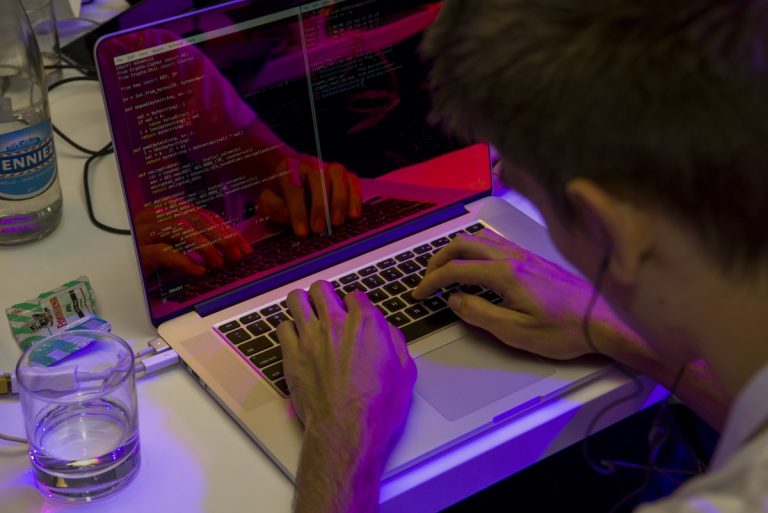
For a number of people, the word hacker means bad news. However, if some hackers have malevolent intentions, there are also hackers for good, and their skills were put to the challenge last week as they tried to save a fictitious city fallen into the hands of a group of cyber terrorists. The challenge was part of a two-day event organised by a young Geneva-based non-governmental organisation seeking to raise awareness about digital trust and bring accountability to cyberspace.
Outcome Of ITU Global Regulators Symposium: Interview With Brahima Sanou

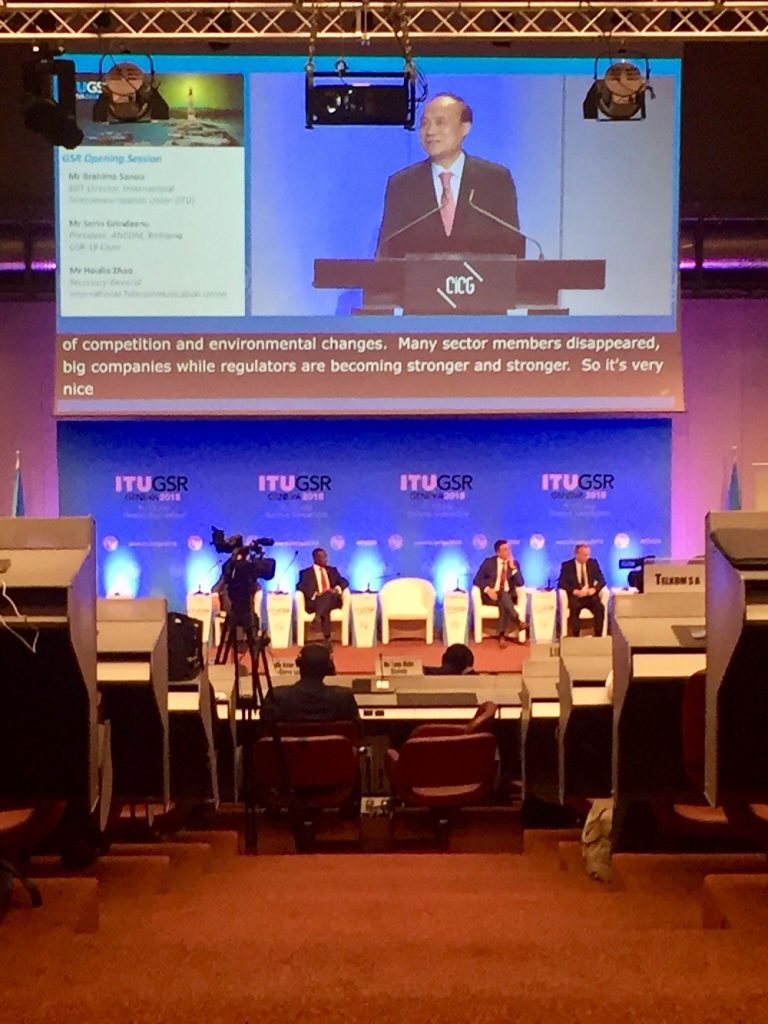
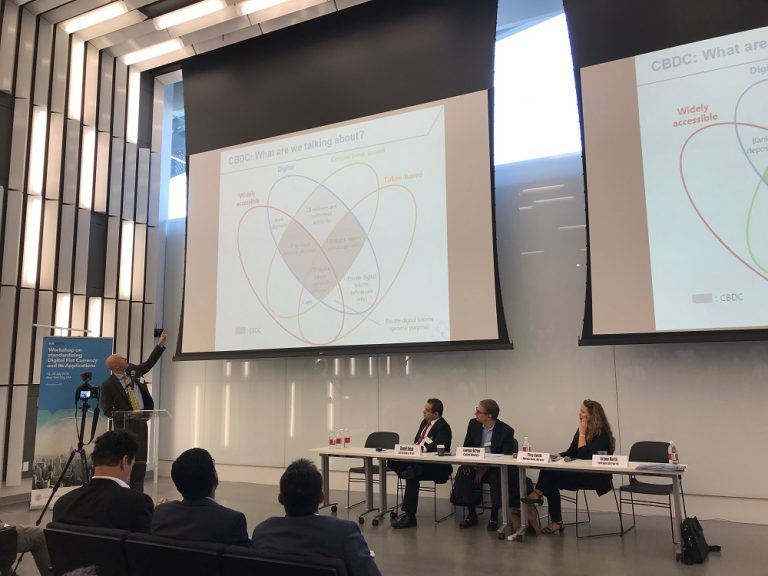
Heads of national information and telecommunications regulatory authorities gathered in Geneva for an annual symposium, and agreed on global best practice guidelines for the new digital ecosystem. After the meeting, Brahima Sanou, head of the UN International Telecommunication Union Development Bureau answered Intellectual Property Watch on the outcome of the meeting, and topics such as privacy and the digital divide.

UN Launches High-Level Panel On Digital Cooperation, Led By Melinda Gates And Jack Ma

The United Nations today announced it has launched a high-level panel on digital cooperation, co-chaired by Melinda Gates (wife of Bill Gates of software titan Microsoft), and Jack Ma, head of China's e-commerce titan Alibaba Group. The 20-member panel will "identify policy, research and information gaps, and make proposals to strengthen international cooperation in the digital space," according to a release.

Helping Understand The Internet Phenomenon: Interview With New ISOC CEO Andrew Sullivan

Starting 1 September, Andrew Sullivan takes on the role as CEO and President of the Internet Society. Selected by the ISOC Board of Trustees, Sullivan looks like an apt bridge builder between the world of internet technology and the world of policymakers. Equipped with experience in developing technology at Dyn, a DNS company recently acquired by Oracle, and a tenure as Chair of the Internet Architecture Board, a peer body of the standards body Internet Engineering Task Force, Sullivan has a degree in philosophy and is no stranger to public sphere theorist Juergen Habermas. After the heavy attack on Dyns DNS network, via low-cost cameras – the so-called Mirai attack – the Canadian warned against knee-jerk attempts for regulation, but acknowledged that technological solutions might need some assistance from policymakers. Answering questions with journalist Monika Ermert in writing from the meeting of the ISOC Board of Trustees in Panama, Sullivan diplomatically underlined that collaboration is key for everything on the internet. In his new position, Sullivan follows Kathy Brown, a former AT&T manager.

Internet Policy – Whois And GDPR: Sky Not Falling Just Yet?

The struggle over how to comply with Europe's new General Data Protection Regulation dominates the agenda of the upcoming meeting of the Internet Corporation for Assigned Names and Numbers (ICANN) in Panama. With the basic question how much data ICANN can ask its contractual partners to collect and store about its domain name customers, ICANN this week opened another hot topic to be discussed when publishing a paper on unified access to registration data. Meanwhile, trademark owners weighed in.

Data Localization (Nearly) Banned In EU

The European Parliament, Council and European Commission on 19 June cut a deal on a new regulation on the free flow of non-personal data. The regulation, which is expected to pass the final votes in Parliament and Council without further issue, is a European answer to concerns over potential data localization obligations, which came into some demand following the Snowden revelations about intelligence services hoovering data from netizens.

Experts To Regulators: AI Is A Panacea – With Hidden Dangers To Humanity

The heads of national telecommunications and technology regulatory authorities are gathering next month at the International Telecommunication Union to address new technologies. Not surprisingly, artificial intelligence and data hold centre stage in the programme. The meeting comes after a recent event at the United Nations where divergent voices recognised the potential beneficial uses of new technology, but warned against the undeclared intentions behind it. Separately, a new study from the Massachusetts Institute of Technology shows the influence of data in machine learning algorithms with chilling consequences.