Category Bilateral/Regional Negotiations

USTR: Mexico Agrees To Raise IP Enforcement Standards With The US

Mexico and the United States have reached a preliminary agreement to raise standards of enforcement of intellectual property rights, according to the Office of the US Trade Representative (USTR). Among the terms, the agreement appears to toughen requirements for internet service providers in protecting against copyright theft and extend copyright terms, and might make it harder for Mexico to agree elsewhere to strengthen its protection of geographical indications.

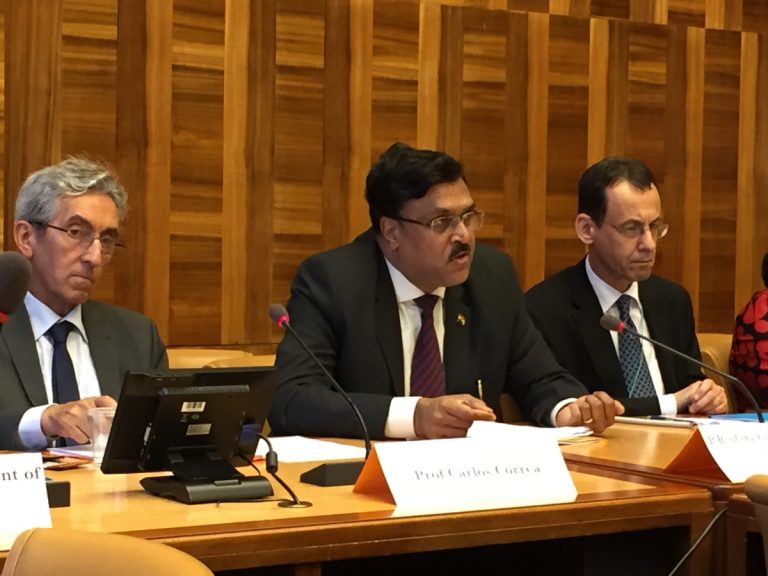
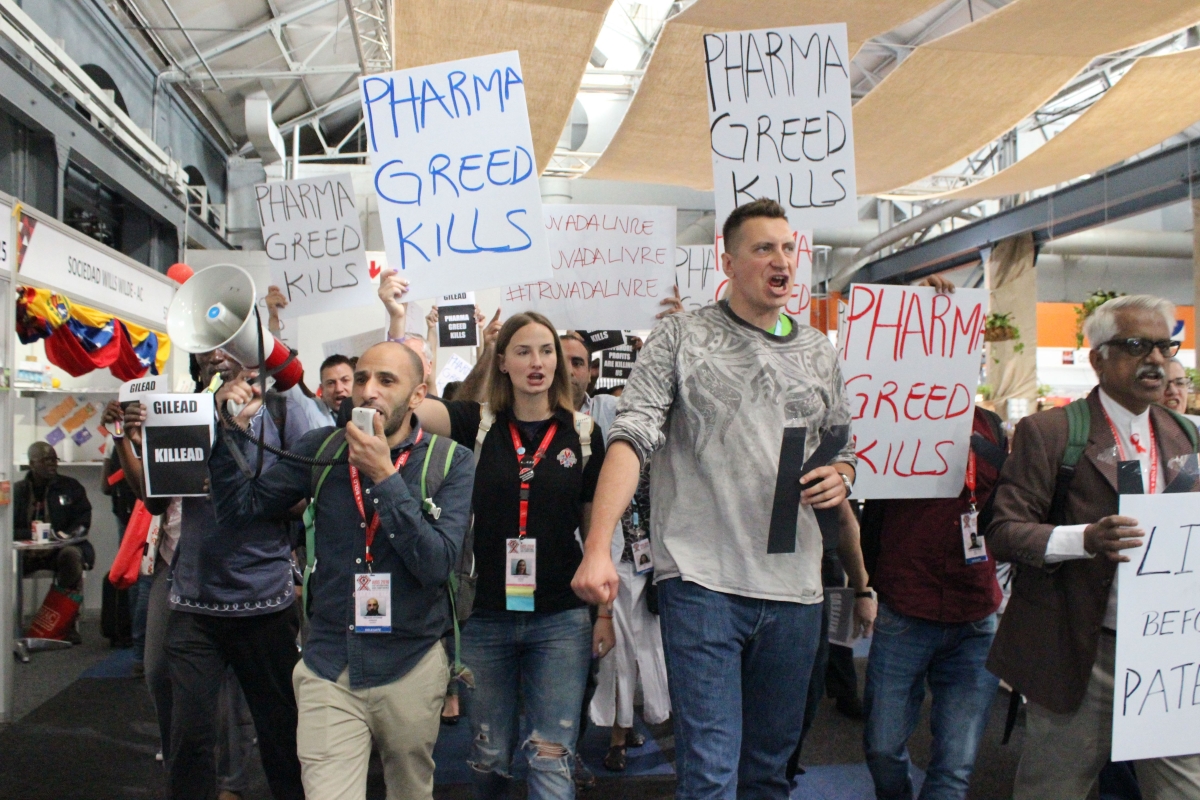
The Myth Behind Health And Trade Agreements – Q&A With Othoman Mellouk

Dr Othoman Mellouk is a Moroccan treatment advocate who has been working on intellectual property and access to medicines for more than a decade. He is the Intellectual Property and Access to Medicines Lead at the international treatment preparedness coalition (ITPC), a global network of people living with HIV and their advocates working together to achieve access to HIV and Viral Hepatitis and a member of the WHO Strategic and Technical Advisory Committee on HIV and Hepatitis. Dr Mellouk started off in the Association for the Fight against AIDS which has been at the forefront of the response to HIV in Morocco and the introduction of the first anti-HIV generic medicines in the country. In a series supported by the Make Medicines Affordable organisation, Mellouk recently engaged in an interview with Patralekha Chatterjee for Intellectual Property Watch. [Note: this interview is one of two. An interview with Carlos Correa will follow.]

US Imposes USD 50B In Tariffs On China For Forced IP/Tech Practices, Cybertheft

The United States today released a list of products imported from China to the US on which additional tariffs will be placed as a measure aimed at pressuring China to change its practices the US says force US companies to give up intellectual property and transfer technology. Some industries have been dropped from the list such as pharmaceuticals, while a second list has now been announced, officials told reporters this morning.

Major Emerging Economies Push To Revive Discussions On Genetic Resources Misappropriation At WTO

Efforts by developing countries to prevent the misappropriation of genetic resources and traditional knowledge have thus far been fruitless at the World Trade Organization. In particular, discussion on the relationship between the rules of the Nagoya Protocol on access and benefit-sharing and the intellectual property trade rules are going nowhere. In this context, India, supported by other major developing nations, initiated a two-day conference recently in order to look at ways to unlock the situation.

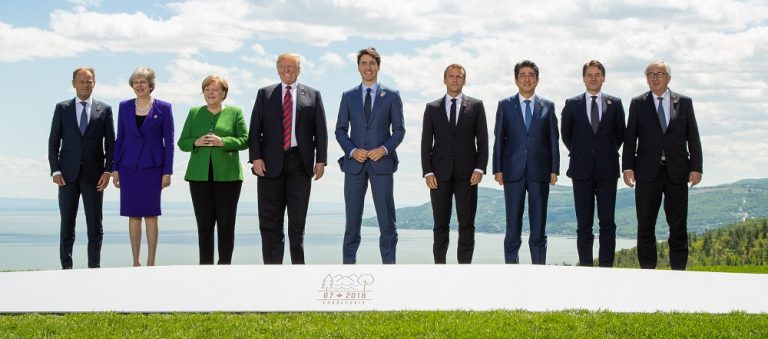
IP, AI, Health Commitments Mere Footnotes In Quarrel Between G6 And Trump?

Leaders at the G7 Summit tried to mitigate tensions by taking on some US favourites in their final communiqué like “forced technology transfers,” a topic brought up only recently by the United States at the World Trade Organisation. Forced technology transfers, according to US diplomats, are licensing and administrative rules entertained by China to oblige foreign firms to share technology in exchange for gaining access to the Chinese market. They also had sought to agree on a vision for artificial intelligence, a range of health issues, and foreign cyber interference with elections.

US Section 301, China, And Technology Transfer: Law And Its Limitations Revisited (Again)

Frederick Abbott writes: On 20 May 2018, US Treasury Secretary Mnuchin announced that the US and China were “putting the trade war on hold” while the two countries seek to “execute the framework” of a broad agreement intended to reduce the US trade deficit in goods with China. According to the joint statement issued on 19 May 2018, “Both sides attach paramount importance to intellectual property protections, and agreed to strengthen cooperation. China will advance relevant amendments to its laws and regulations in this area, including the Patent Law.”

Civil Society Key In TRIPS Flexibility Implementation

When the agreement on intellectual property was adopted by the World Trade Organization, a number of flexibilities were included in the text, mainly to give developing countries policy space to implement the agreement with development considerations. However, some countries through lack of awareness or economic pressure have not used those flexibilities fully, and found themselves facing difficulties addressing their public health needs, which some associate with this failure to use the flexibilities. Civil society has engaged in notable efforts to counter pressure and raise policymakers' awareness for a wider access to medicines.