
WIPO Launches Guide On Use Of IP For Arts And Cultural Festivals
The World Intellectual Property Organization announced the publication of a practical guide on how best to use intellectual property for organisers of arts and cultural festivals.

Original news and analysis on international IP policy
The World Intellectual Property Organization announced the publication of a practical guide on how best to use intellectual property for organisers of arts and cultural festivals.

The newly-released Trans-Pacific Partnership (TPP) intellectual property (IP) chapter would help seed conglomerates like Monsanto prevent farmers from saving and using seeds that contain patented plant materials, even when such use is for their own personal consumption. The TPP language would also prevent breeders from using plants seeds that contain patented plant materials to research and develop new varieties. Most plant variety protection (PVP) systems allow farmers to save and reuse seeds (for noncommercial purposes) and permit breeders to use protected plant varieties to research and develop new varieties. In contrast, patents on plant-related inventions, as outlined in the TPP, may have few exceptions. This new text constitutes a huge step in the wrong direction, changing the plant IP regimes of many of the negotiating countries to the detriment of their populations, writes Public Citizen.
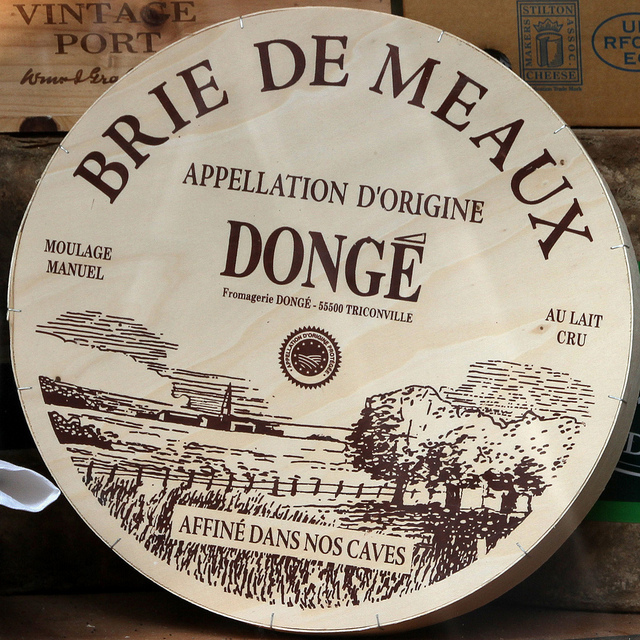
The 28-member Lisbon Agreement for the Protection of Appellations of Origin and their International Registration is en route to being revised to include geographical indications and allow international organisations to join the agreement. But some other member countries of the World Intellectual Property Organization, which oversees the agreement, are raising procedural questions and intend on having a say on the revision. [Update: new proposal now available]

The entry into force of an international treaty facilitating access to genetic resources and ensuring the fair sharing of potential commercial benefits has prompted the applicability of a European Union regulation relating to the treaty. This led a researcher to call on the treaty members to ensure its implementation protects the rights of indigenous and local communities.
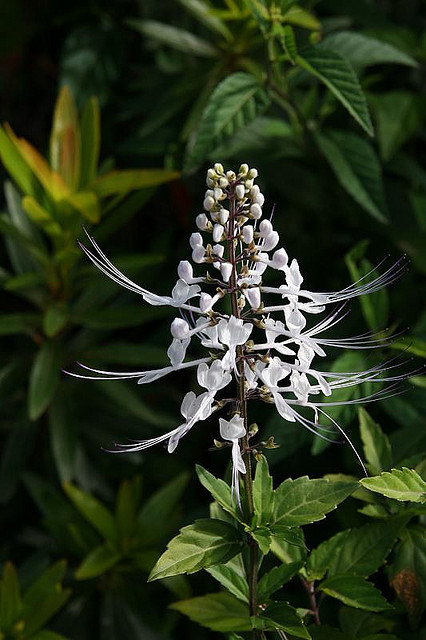
The Nagoya Protocol, a treaty expected to ensure greater access to genetic resources and a mandatory fair benefit-sharing of the benefits that could be derived from those resources, will enter into force on 12 October, almost four years after it was agreed.

The revision of a World Intellectual Property Organization agreement to include geographical indications, raising their status, was challenged in vain by some countries in the past week. In addition, this week’s WIPO General Assembly has been working intensively on a range of other issues.
Over 50 organisations have co-signed a letter to the International Plant Treaty calling for it to safeguard the implementation of farmers’ rights in the context of joint activities with the World Intellectual Property Organization and the Union for the Protection of New Varieties of Plants (UPOV).
A proposed amendment to the Lisbon Agreement protecting appellations of origin at the World Intellectual Property Organization is the object of heated discussions between proponents of geographical indications and countries favouring other systems such as trademarks to protect such intellectual property titles. A side event to this week’s WIPO General Assemblies gathered GI proponents to ponder the future of the agreement.
A group of countries has submitted a new proposal to the upcoming meeting of the World Intellectual Property Organization budget committee to allow the continued participation of indigenous peoples representatives in WIPO’s committee on traditional knowledge and genetic resources.
The European Commission recently launched a public consultation on the protection of geographical indications for non-agricultural products.
United Nations experts are underlining the importance of using the term “indigenous peoples” in a UN draft set of sustainable development goals from which they say the term has been deleted.
The Nagoya Protocol on access and benefit-sharing of genetic resources will enter into force on 12 October, following the ratification of 12 more countries last week.