Category Themes

Four Stages To Monetizing A Patent Portfolio

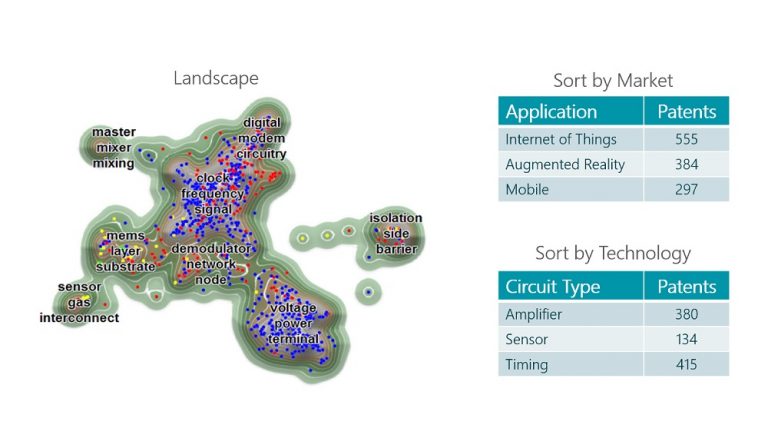
 By Martin Bijman, Director, Intellectual Property Products , TechInsights Successfully pursuing the monetization of IP assets requires an accurate assessment of their value and position within the marketplace. Essentially, monetizing a patent portfolio includes four key steps: Developing an accurate…
Use Competition Law For Wider Access To Cheap Medicines?

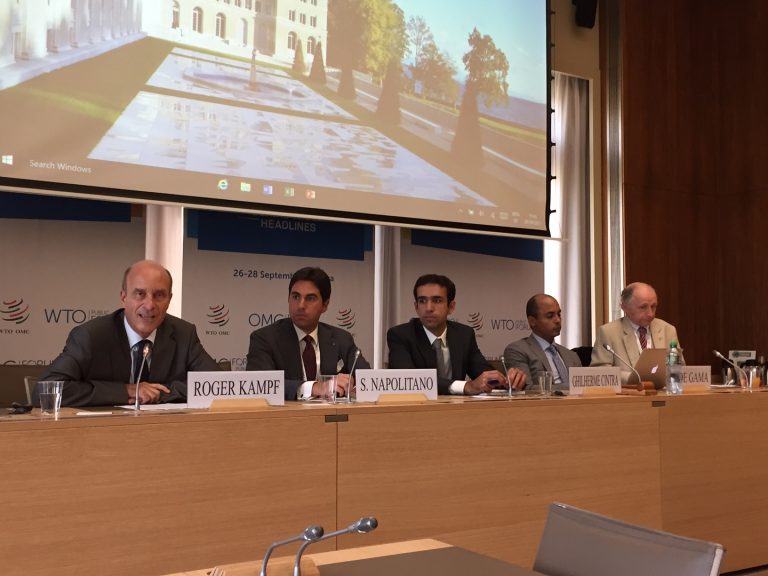
The topic of access to medicines has gained momentum in recent years as high prices of new medicines affect developing countries and developed countries. The role of competition legislation in preventing market abuses and monopoly situations has been pointed to as a possible lever to facilitate access to generic medicines and balance the potential negative effects of intellectual property protection.

Initiative Aims At Using New Technologies To Reinvigorate International Trade

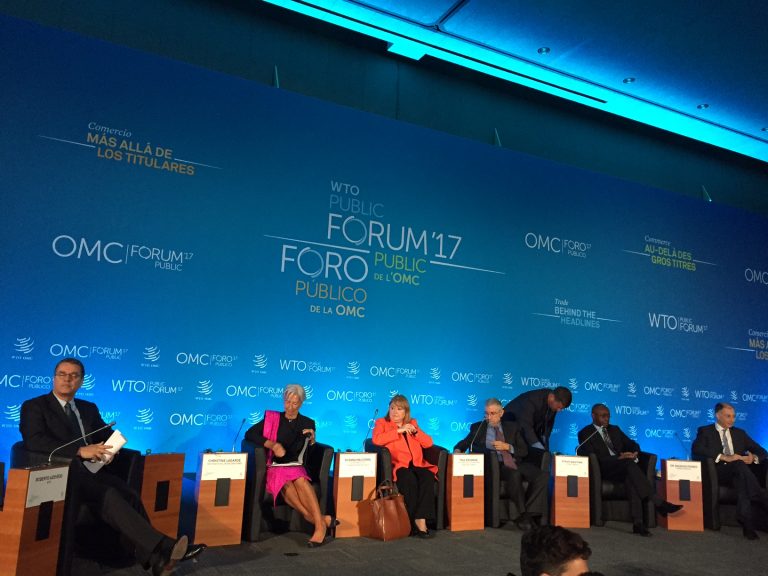
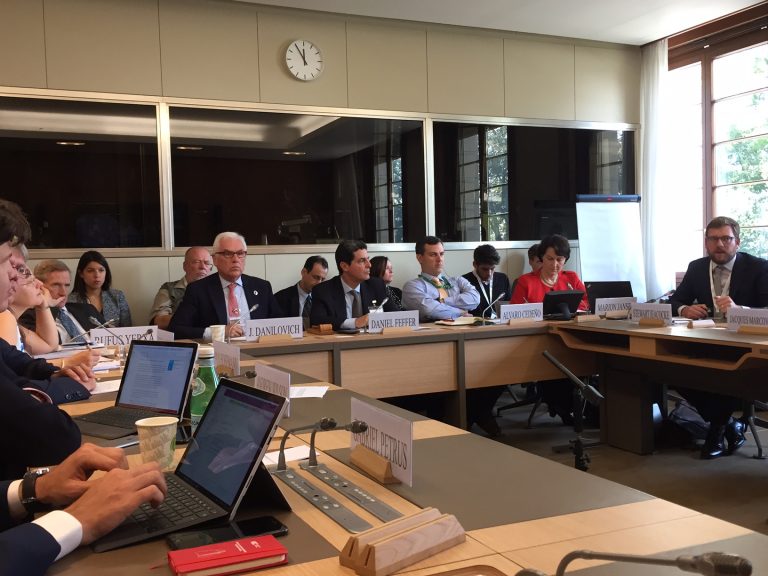
As protectionism tempts some, the International Chamber of Commerce Brazil is launching an initiative to bring new technologies to the rescue of international trade. The new digital age holds promise and is inevitable, but requires solid policymaking and improvement in such areas as education and broadband coverage to deliver on its possibilities, panellists at the World Trade Organization Public Forum said today.

G7 ICT Ministers: Free Data Flows, More Access To Data, But IP Protection Nevertheless

Openness, security and the support for innovation through the empowerment of small and medium companies are the three core points of the joint statement of the G7 ICT Ministers after their two-day meeting in Turin, Italy ending today. While the host, Italian Minister of Economic Development Carlo Calenda, heavily underlined the need to avoid in digitalisation policies the mistakes made in globalisation, many topics of the final statement point to highly familiar commitments, with better protection of intellectual property being one.

US Firms Rush To File Patents Ahead Of Driverless Car Boom

The socioeconomic impact driverless cars are expected to have is often compared to that of the internet, or going further back in time, to the industrial revolution. As fleets of vehicles that pilot themselves approach commercial rollout thanks to developments in artificial intelligence (AI), machine learning, and other technologies; original equipment manufacturers are aggressively filing patents for their self-driving vehicle designs. These players include General Motors and its Cruise Automation subsidiary, German automotive supplier Bosch, Ford, which owns a stake in driverless car start-up Argo AI; and Google sister company Waymo.

Infojustice: Ottawa NAFTA Round Turns To Copyright

Infojustice writes: It was being reported among various observers of NAFTA over the weekend that the talks in the IP chapter are progressing toward Copyright. The US appears poised to table the first set of its demands for that portion of the IP chapter. But it is also rumored that that the US demand may exclude the issue of copyright balance.

Panel Debates Potential Impact Of Reversal Of US Administration Patent Review

The United States Supreme Court recently agreed to hear arguments in Oil States Energy Services v. Greene’s Energy Group, a case involving a patent on a device used for hydraulic fracturing (fracking). After the patent was granted, Greene’s petitioned for, and was granted, an “inter partes review (IPR)” by the US Patent and Trademark Office’s Patent Trial and Appeal Board (PTAB). After losing at the board, Oil States asked the high court to determine that IPR, which is used to analyse the validity of existing patents, is unconstitutional because it takes away private property rights by denying Art. III jury trials.

Unitaid Official Explains How ‘Breakthrough’ HIV Medicine Pricing Deal Brings Best To The Neediest

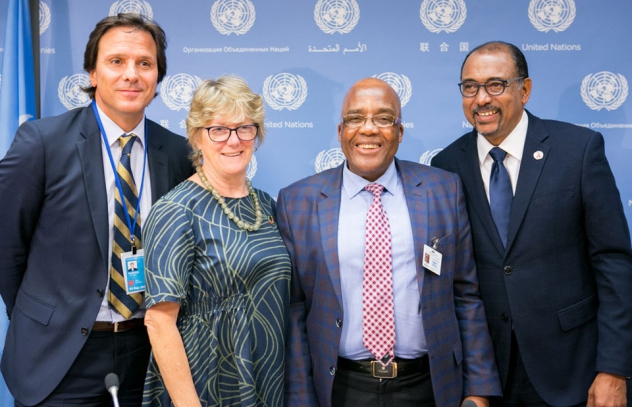
NEW YORK -- In the midst of the high-level meetings of the annual United Nations General Assembly last week, health officials from the UN and foundations announced what they called a breakthrough pricing agreement that will speed the availability of "the first affordable, generic, single-pill HIV treatment regimen containing [the key compound] dolutegravir to public sector purchasers in low- and middle-income countries at around $75 per person, per year." A senior official at Unitaid, the drug purchasing mechanism that helped reach the deal, explained to Intellectual Property Watch how it came about and why this is significant.