Category Themes

New WIPO External Offices: Candidates At The Door, But What’s In It For WIPO?

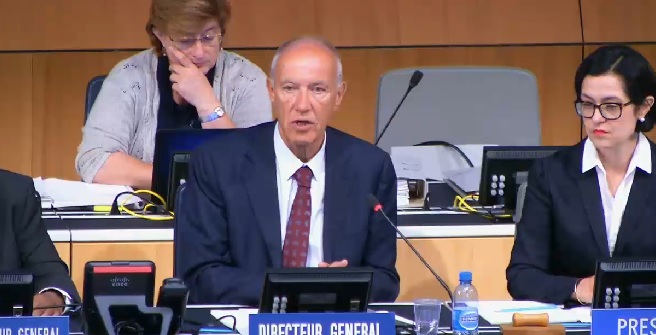
For the last two years, World Intellectual Property Organization delegates have been trying to tackle a seemingly unsolvable equation: too many candidate countries for four new WIPO external offices. Yet more time seems necessary to reduce the number of candidates, which show no sign of stepping down, insisting on the value of a WIPO external office. However, some doubts have begun to arise over the benefits of the expansion of WIPO's network of field offices.

EU Commission Position Paper On IP And Brexit: Trademarks, Designs, GIs

To say Brexit is a conundrum is almost a euphemism, the list of issues to settle between the 27 remaining European Union members and the United Kingdom seems bottomless. Intellectual property is no exception, and the European Commission Brexit-dedicated task force has issued a position paper on IP, setting out principles for the “UK’s orderly withdrawal from the EU.”

WIPO Budget For 2018-2019, New External Offices, Under Discussion This Week

The Program and Budget Committee of the World Intellectual Property Organization this week is meeting for the second time this year. It is expected to consider the budget for the 2018/2019 biennium before the annual WIPO General Assembly next month. Delegates flew through the agenda today and had little to remark on audit and oversight reports, but the next days might give way to more discussions, in particular on the diplomatically thorny issue of which countries should host a WIPO external office. On a separate issue, the United States tabled a paper presenting an alternative methodology for allocating funds to WIPO-managed systems, reducing revenue reliance on a single global patent agreement.

CSIS Report Finds Tech, Innovation Partnership Opportunities In Developing Countries

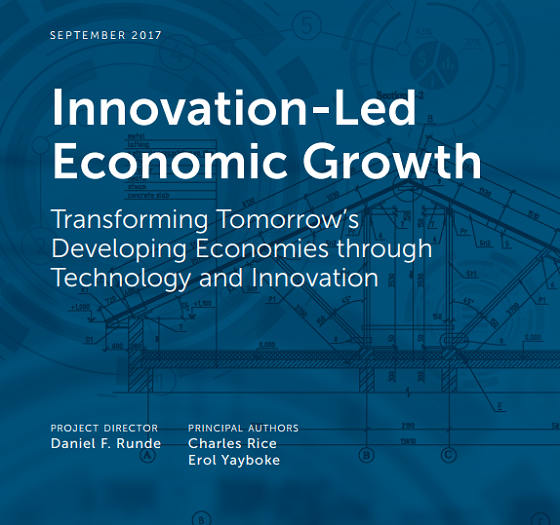
"There are clear opportunities to accelerate and expand opportunity through innovation and technology around the world," finds a new report from the Washington, DC-based Center for Strategic and International Studies (CSIS). And the United States - and any other developed country - would do well to position itself as a "partner of choice for developing countries that want to transform their economies through science, technology and innovation," it said. But strong intellectual property rights and a business-friendly environment are a necessity, it argues.