Category Themes

WIPO General Assembly Opens; Delegates In Starting Block To Discuss Budget, Normative Work

The annual World Intellectual Property Organization General Assembly opened today for 10 days during which delegates have to agree on budget, and on several decisions which might lead to more normative activities on the part of the organisation, although impatience is not equally shared depending on subjects. Separately, the United States submitted a new proposal on the budget, and the European Union tabled a proposal on a new mandate for the WIPO genetic resources and traditional knowledge committee.
Guide To This Week’s Annual WIPO General Assemblies

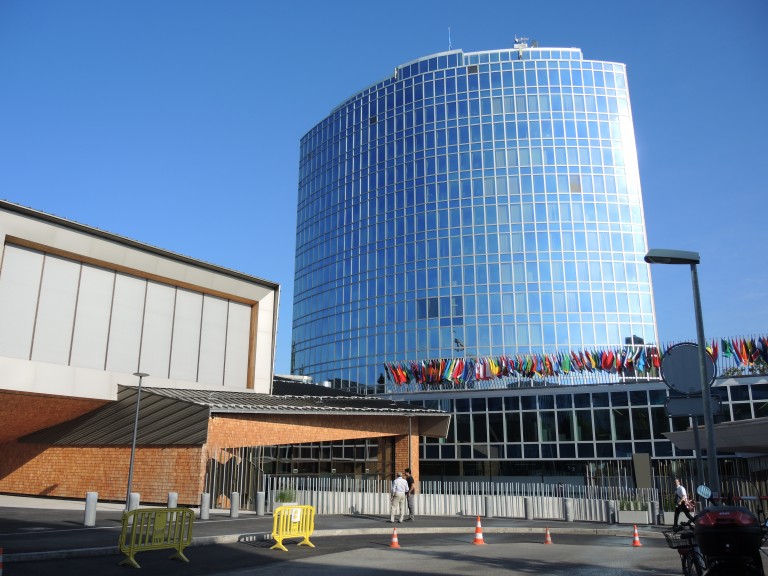
The annual UN World Intellectual Property Organization General Assemblies kick off this week for ten days during which delegates will have to find consensus on the budget for the next biennium, 2018/2019. Also on the agenda is the potential renewal of, and a proposed work programme for, the committee on genetic resources and traditional knowledge. WIPO delegates will also decide if they want to convene a high-level final negotiation for a design law treaty, and provide guidance on the work of the WIPO committee on copyright. A decision on which countries should host the next WIPO field offices has also been left to the General Assembly.

US Misrepresentations Called Out By Antigua In Online Gambling Case At WTO

The tiny Caribbean country of Antigua and Barbuda today at the World Trade Organization gave an account of misrepresentations by the United States in its failure to fulfil a WTO dispute settlement panel's finding that the US owes Antigua for US measures against online gambling that harmed the island's economy. The United States now owes Antigua some $200 million in damages, and has offered only about $2 million. Now Antigua will formally request negotiations with the US trade office. At stake is Antigua's authorisation by the WTO panel to recover its damages by failing to protect US intellectual property rights there, which it again reluctantly threatened to do if there is no resolution.

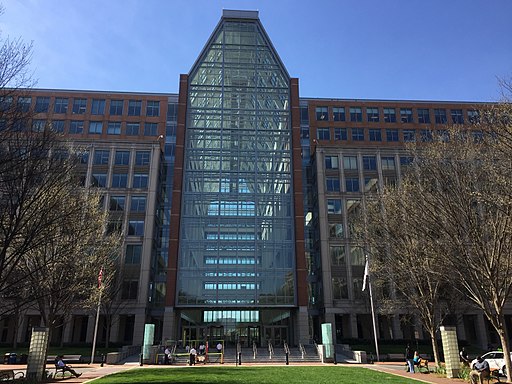
The Consequences Of Killing USPTO Patent Reviews

Does the US Constitution prohibit the USPTO from striking down issued patents? That question will be decided by the US Supreme Court later this term. Should the Court rule against the USPTO, it would dramatically alter the US patent system in favor of patentees, give a big boost to patent trolls, and damage innovation in the US. The ruling also would make the US an outlier among major industrialized countries – turning it into the only such nation where patents could not be challenged in administrative proceedings.

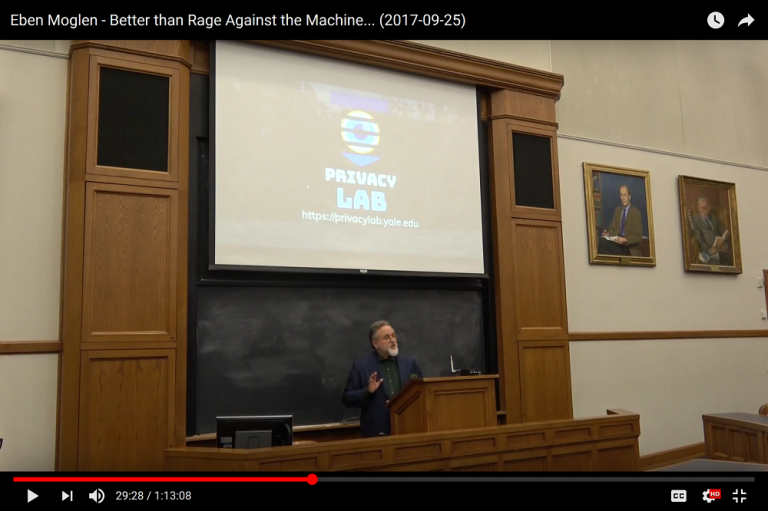
Moglen On Privacy And ‘The Machine’: This Is Not Over Yet

NEW HAVEN -- In an arresting presentation framed in a first-hand account of the creation of the early internet and focused on the hyper-sophisticated sensors we carry everywhere in the form of our smartphone, marking our every behaviour and element of our life for commercial and state use, Free Software legend and privacy advocate Prof. Eben Moglen gave a speech this week at Yale Law School on privacy, the "machine," and the jarring threat humanity is facing. There is at least one sign of hope, he said: the FreedomBox.

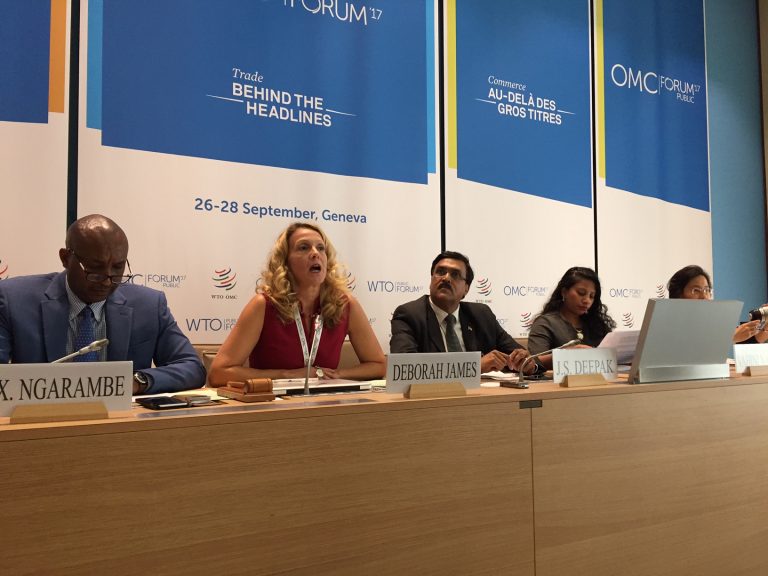
E-Commerce: Some Developing Countries Push Back On Idea Of New WTO Rules

While the profile of electronic commerce is rising in diverse international fora, some developing countries are saying they do not want to discuss a new negotiating mandate for e-commerce rules at the World Trade Organization. The current work programme on e-commerce is still adequate, they find, and the WTO Ministerial Conference in December should address more pressing issues, such as agriculture, or completing the Doha Development Round negotiations.

Case Shows European Luxury Brands Must Be Popular In Japan To Be Protected There

In a recent decision, the Opposition Board of the Japan Patent Office dismissed an opposition filed by CFUB Sisley, a French producer of cosmetics and fragrances founded in 1976, against the word mark “SISLOY” written in a standard character. The case shows that the status of European luxury brand will not automatically enjoy broader scope of protection in Japan unless the brand obtains a high degree of popularity and reputation among Japanese consumers, writes Masaki Mikami.

New EU Commission Guidelines On Illegal Content Online Clarify Liability For Online Platforms

The European Commission today issued guidelines for removing illegal content online, largely following the lines of existing rules and guidance, but hinting at a possible future move to harmonise practices in this area. Technology companies breathed in relief as the communication did not appear to reduce their protection against liability for content carried on their networks and devices, though it did provide extensive clarification on the liability exemption.

How USPTO Patent Reviews Became Imperiled

Initially, the lawsuit was widely viewed as a waste of time. The suit asserted a strained legal argument that already had been rejected twice by federal appellate panels, in 1985 and 1992. Yet this lawsuit, Oil States Energy Services v. Greene’s Energy Group, has now reached the US Supreme Court. So later this term, the high court will decide whether the US Constitution prevents the US Patent and Trademark Office from ever striking down issued patents.

Disparity In Access To Medicines Spurs “Humanitarian” Patent Licensing

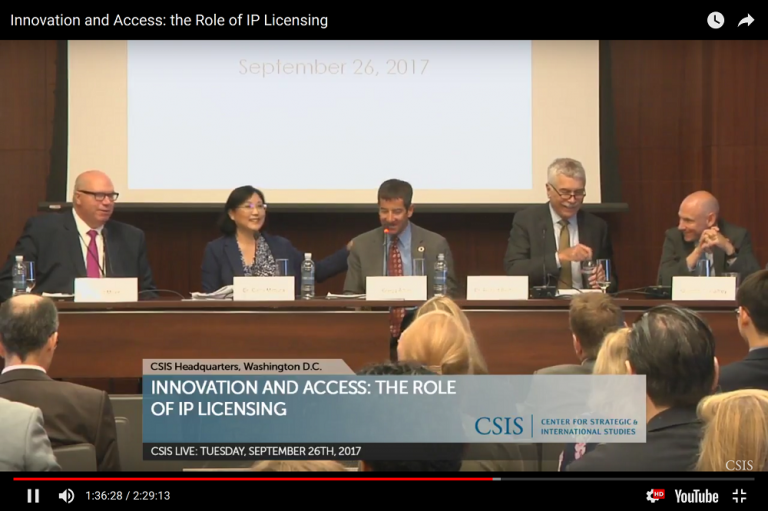
“There are shameful access disparities around the world” to life-saving medicines, Harvard University Global Access in Action project Co-Director Quentin Palfrey said at a 26 September Center for Strategic and International Studies event in Washington, DC. And while some of the challenges to fuller access involve pricing, getting medicines to poorer countries or populations means overcoming the obstacles of insufficient research and development (R&D) incentives, access barriers and polarised politics, he said.