Category Themes

The User Rights Database: Measuring The Impact Of Copyright Balance

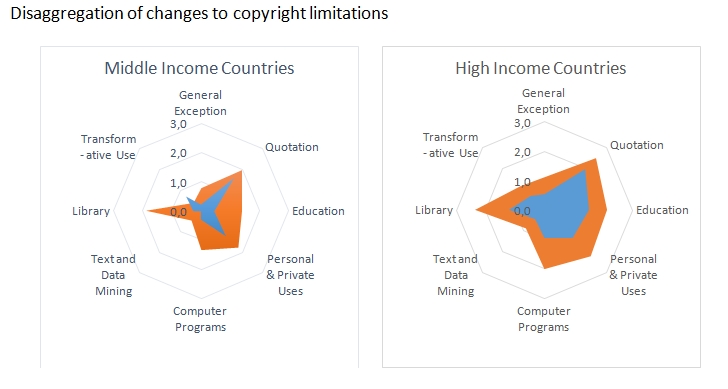
PIJIP’s Copyright User Rights Database tracks changes to copyright user rights (aka limitations and exceptions) over time in a sample of 21 countries of different development levels. The data assesses the degree to which other countries have adopted exceptions that are as open as the US fair use right – i.e. open to a use of any kind of work, by any kind of user and for any purpose. The instrument and results are available at infojustice.org/survey.

New WHO 5-Year Programme Is Out. In The Recipe? SDGs, Access To Medicines, Innovation, Better Health For All

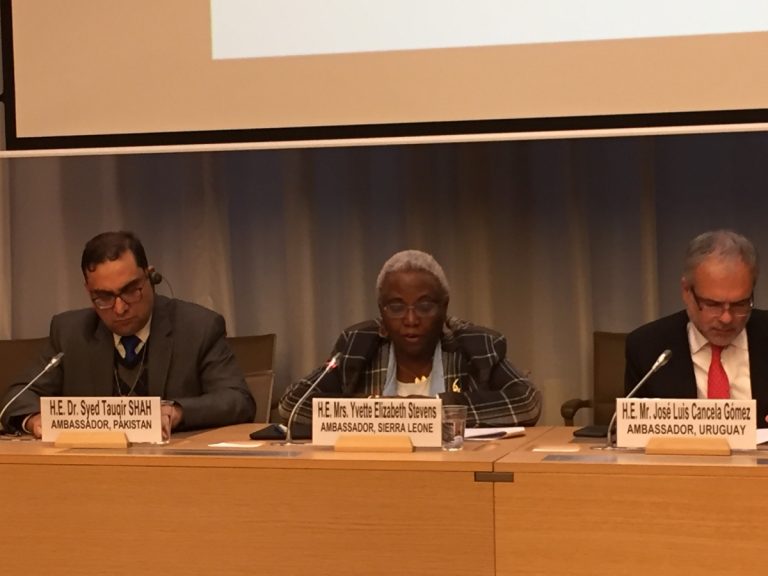
The new leadership of the World Health Organization today issued its draft new programme of work for the next five years. The programme depicts new orientations for the global health actor, starting with the alignment of the programme with the United Nations Sustainable Development Goals and universal health coverage. The organisation also commits to help establish policies promoting access to health products, including generic medicines, innovation, and fair pricing. The WHO is set to help address innovation barriers, and to step up its global leadership, but asks that its members actually fully finance the budget that they approve.

Group Of Nations Seeks To Boost Help For Small Companies At WTO

Micro, small and medium-sized enterprises represent the bulk of the global economic fabric, but they face many impediments to joining the global marketplace. An informal group of countries is bringing the conversation into the World Trade Organization, to see how it can help small companies integrate international trade. They submitted a draft decision for the upcoming WTO Ministerial Conference in December. A workshop this week looked at challenges and possible remedies at the national and international level.

E-Commerce Needs Special Rules, WTO The Place For It, Officials Say

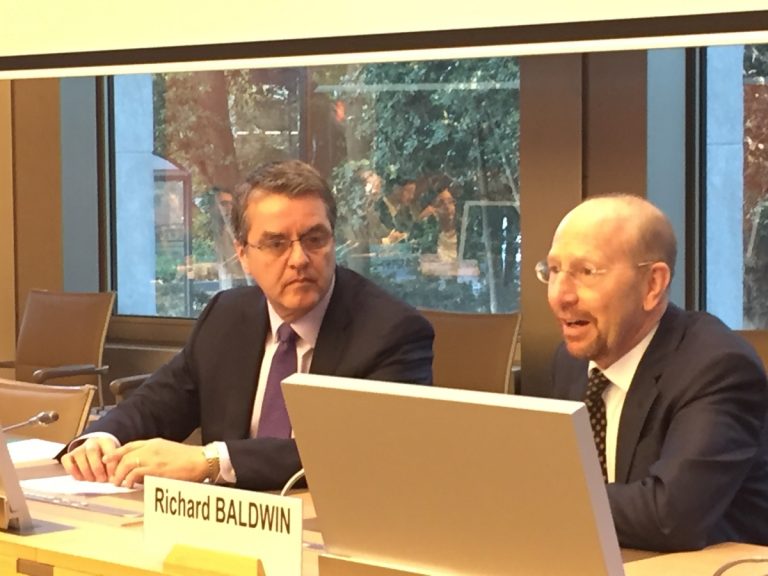
Electronic commerce is flourishing, but countries are not benefitting equally from this windfall. An event held this week at the World Trade Organization looked at the role of the WTO in the establishment of global rules for e-commerce, while WTO member states themselves disagree on the urgency to establish a new work programme, just weeks before the next WTO ministerial.

New Worldwide Compilation Of GIs Launched: Helping To Bridge Two Approaches?

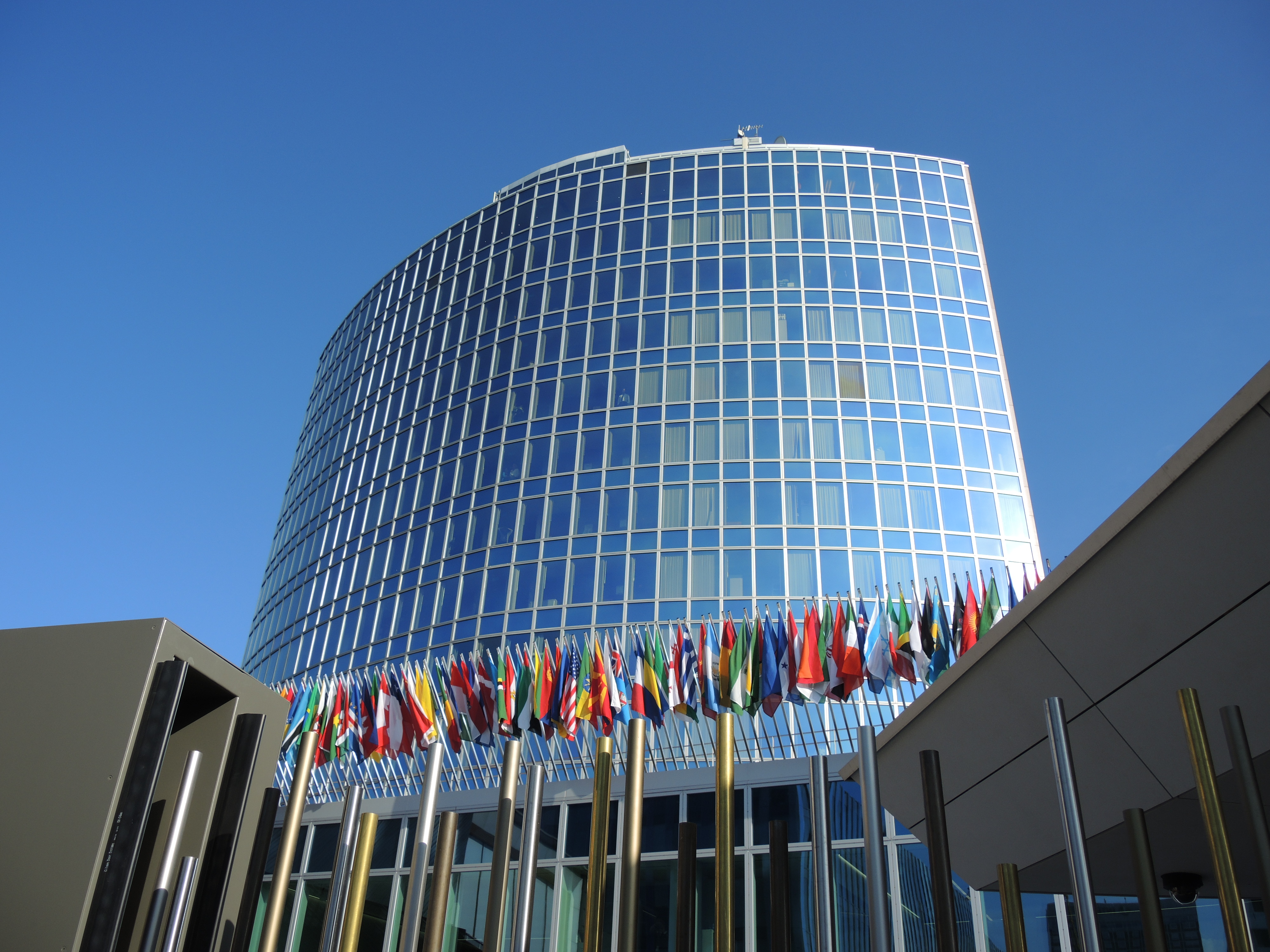
The Organization for an International Geographical Indications Network (oriGIn) launched a worldwide compilation of geographical indications today at the World Intellectual Property Organization. The compilation, which lists over 7,000 geographical indications, beyond providing a technical tool, is also presented as a tool of reconciliation.

UNCTAD Shows Role As Convenor On Investment In Antimicrobial Resistance

The United Nations Conference on Trade and Development (UNCTAD) this month gathered a wide range of key stakeholders to have a frank discussion about how to solve rising global resistance to existing antibiotics. While not a negotiation, stakeholders in the expert group opened up and shared perspectives, leading to some informal conclusions. Among them: more public and private investment, and a shift in the R&D system to new-style incentives, are needed.

WIPO Committee Meets Next Week To Discuss Country Name Trademarks, Icons, GIs

The World Intellectual Property Organization committee on trademark, industrial designs and geographical indications meets next week. Among the issues expected to be discussed are whether and how country names should be protected in trademark applications and on the internet. The committee also will consider again deepening its understanding of how GIs are protected at national and regional level, whether through trademarks or a sui generis system. And on the agenda next week is an information session on new technology designs, such as icons and type fonts used on internet, social media, smart phones and tablets.

A Look Back: Challenges Of Open Access In 2017 (An Industry Perspective)

Suzanne Kavanagh writes: Over the course of the year, three issues repeatedly reared their heads as barriers to the successful implementation of Open Access: the burden of expected author OA expertise; the underutilization of metadata in the publication lifecycle, and the challenges posed to authors and institutions by one-off solutions. As the tenth Open Access Week draws to a close, with its focus on the concrete benefits of making scholarly research openly available, where have we gotten to in solving these problems and realizing the potential of OA?

Reaping The Benefits Of Artificial Intelligence

Your brand is everything in the global marketplace. It is no exaggeration to say that a business now lives and dies by both its offline, online and social reputation. Because of this, searching a trademark is more vital than ever before. It is important for trademark professionals to work faster and more effectively in searching, clearing and registering strong marks to ensure clients have a competitive advantage. To do so requires the merging of the old and new: the specific knowledge that only highly experienced trademark experts can provide, with the advantages of the latest wave of artificial intelligence (AI) technology, writes Ronda Majure.