Category Themes

US Patent System Remains 1st In The World, Despite Errors In Chamber Rankings

Over the past few months, US officials ranging from PTO Director Andrei Iancu to a number of Congressional members, most recently Rep. Kelly (Illinois-2), have cited to the Chamber of Commerce’s ranking of intellectual property systems, which has dropped the US patent system from 1st in the world to 12th. They cite the rankings as evidence that the US patent system is in urgent need of review.

Unfortunately, the rankings are based on misinterpretations and falsehoods. These are worth noting ahead of a House Judiciary hearing Tuesday with Iancu testifying.
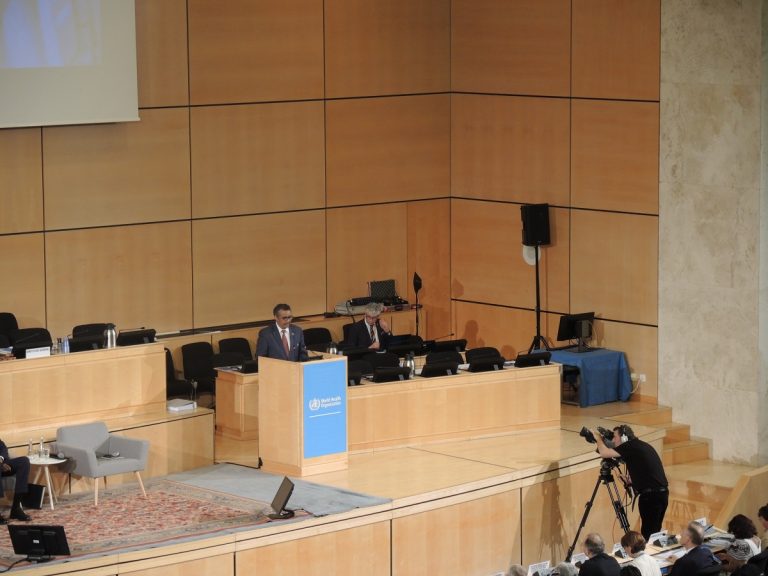

WHO Director Dr Tedros Opens First Annual World Health Assembly With ‘Keys For Success’

World Health Organization Director General Tedros Adhanom Ghebreyesus (“Dr Tedros”) in his first speech in his function at head of the World Health Assembly described three keys to reach the ambitious goals of the organisation. He envisioned a transformed WHO helped by a strong leadership team, called for political commitment for which he said most country leaders are ready, and advocated partnerships with a number of international health actors, including the private sector.

Global Influenza Initiative Celebrates 10 Years, Adds Former WHO Official

As the annual World Health Assembly opened today, a global initiative for sharing influenza genetic data celebrated its tenth anniversary and announced new senior advisors for international affairs and biosecurity issues, one of which is Marie-Paule Kieny, former World Health Organization Assistant Director-General for Health Systems and Innovation.

Five Years After The Indian Supreme Court’s Novartis Verdict

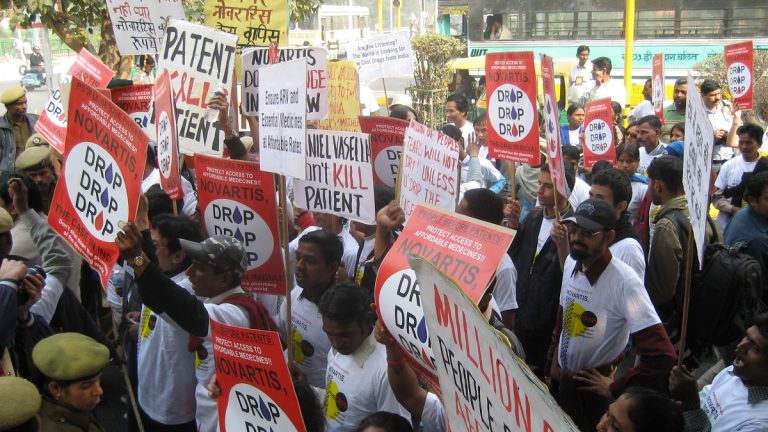
On 1 April 2013, in a packed room inside India’s Supreme Court, a magnificent building in Indo-British architectural style, two judges delivered a verdict that impacted the national and global conversation about patents and patients. India’s apex court delivered a 112-page landmark judgement which dismissed Swiss pharma giant Novartis AG’s appeal for a patent for its life-saving cancer drug marketed under brand name Glivec in most parts of the world. The Novartis case triggered a hugely polarising discourse around the world about a key feature of India’s patent regime.

Women And IP As Topic To Be Pursued At WIPO Committee On Development And IP

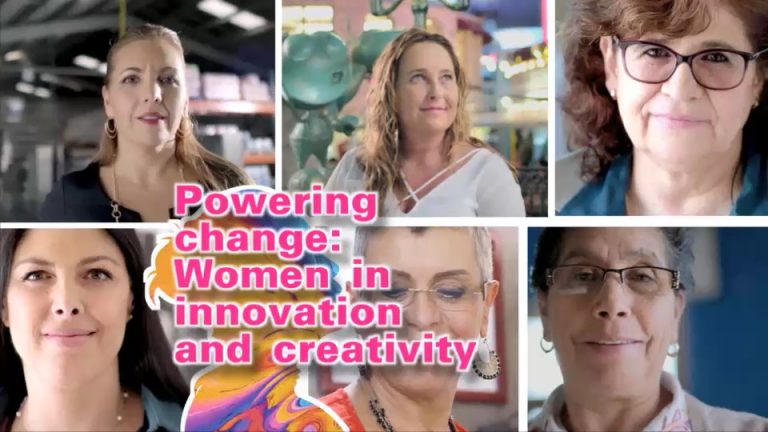
In the wake of the annual intellectual property day this year focusing on women, the World Intellectual Property Organization Committee on Development and IP this week agreed to discuss women and IP at its next session, as the first topic under a new agenda. The committee also agreed to a new project on the role of women in innovation. In other areas, more discussions are foreseen on whether regular international conferences on IP and development can be approved, and on recommendations by an independent expert group on the implementation of the WIPO Development Agenda.

WIPO Asked To Improve Its Reporting On Development Agenda Implementation

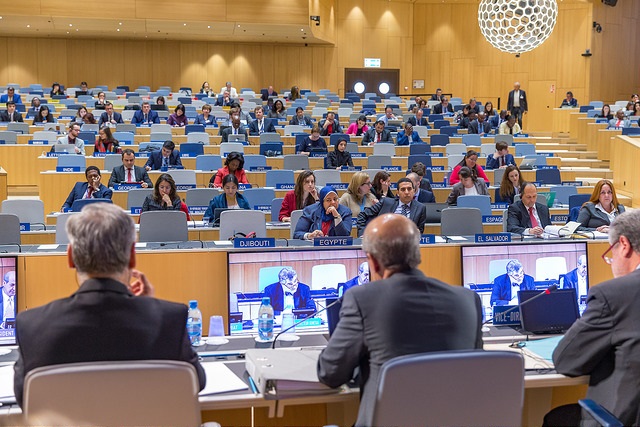
The World Intellectual Property Organization annual self-evaluation of the implementation of its 2007 Development Agenda was rubber-stamped by most delegates again this year at the Committee on Development and Intellectual Property. But Brazil offered detailed suggestions on ways to improve the report and ensure that past work is not being included in the reporting on new accomplishments. It also warned against confusing WIPO's Development Agenda work with its broader activities for the United Nations Sustainable Development Goals.

The Patent Paradox In Brazil And Its Implications For Access To Medicines

Brazil is frequently pointed to as one of the countries in which fewer pharmaceutical patents are granted. The fact that there is a low number of patents granted could lead to the conclusion that medicines can be bought under competition and that the prices would be low. However, many medicines in Brazil are bought exclusively from one producer and usually at high prices. The situation of few granted patents, but many purchases under exclusivity due to absence of competition (which can lead to higher prices), is what we are calling the ‘patent paradox in Brazil’. In the absence of granted patents, what are the factors that lead to the situation of no competition and high prices in Brazil? This is the question that we, at the accessibsa: Innovation & Access to Medicines in India, Brazil & South Africa, aim to answer with a study currently being conducted at the Department of Medicines Policy and Pharmaceutical Services (NAF) of the Sergio Arouca National School of Public Health – ENSP/Fiocruz.

Data Collection For AI Solves Problems, Helps Researchers, Panellists Tell UN-Led Event

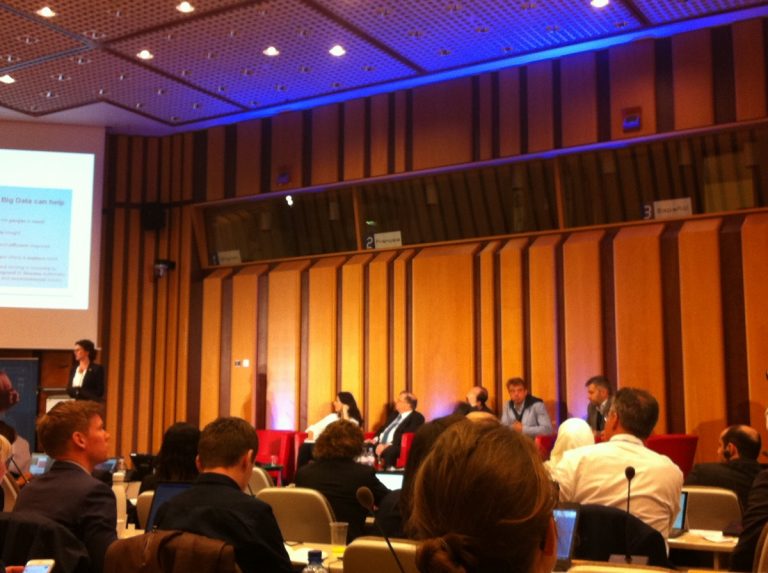
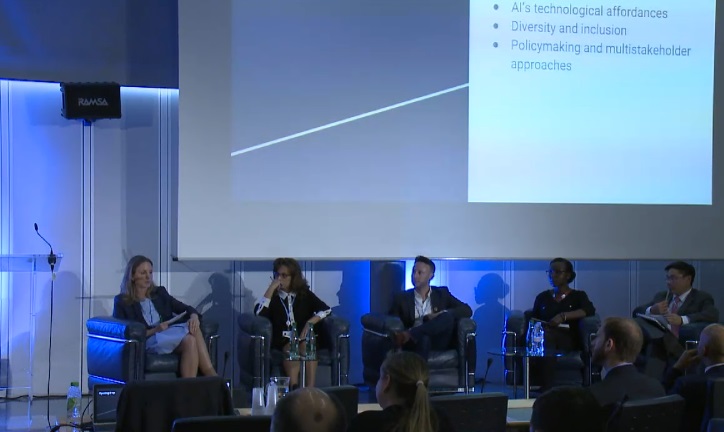
At a time when data collection has become a prickly subject and public defiance against large data-collecting companies such as Facebook, Google or Amazon has risen, a UN-led international summit on artificial intelligence this week sought to present the potential of the new technology in solving global problems. Data is the basic fuel of artificial intelligence, and panellists at the event showed how data collection has led to problem solving. For instance, the Chan-Zuckerberg Initiative hopes to give biomedical researchers the ability to tap into the global conversation and browse some 200 years of research.

TRIPS Flexibilities In High Demand

Using flexibilities in the World Trade Organization Agreement on Trade-Related Aspects of Intellectual Property Rights (TRIPS) has long been an issue of the developing world. But policymakers gathered at a meeting on access to health in Brussels today said there was an urgent need for European Union countries, too, to make more use of flexibilities.