Category Themes

Pondo termo ao acesso não autorizado aos recursos genéticos (quer dizer, biopirataria): acesso aberto limitado

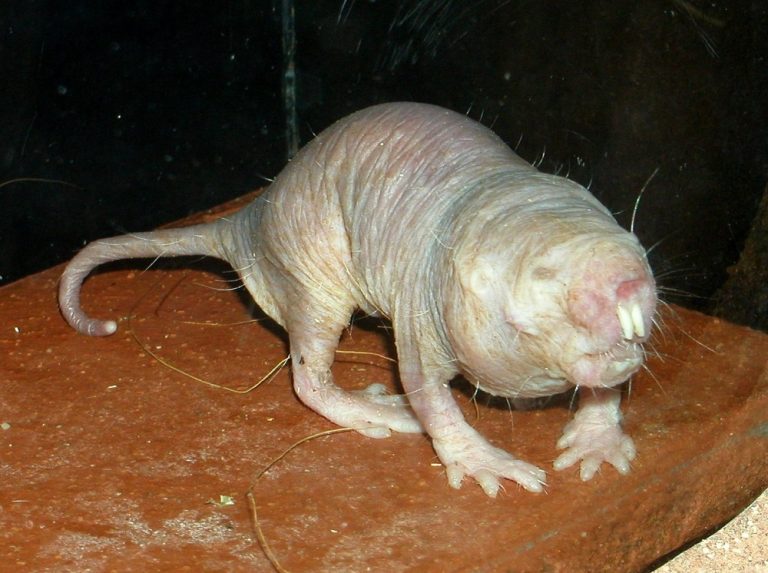
O “acesso aos recursos genéticos” e a “participação justa e equitativa dos benefícios provenientes de sua utilização” vêm aturdindo delegados e delegações das 13 Conferências das Partes da Convenção das Nações Unidas sobre Diversidade Biológica, que entrou em vigor no ano de 1993. A expressão entre aspas conhecida pela sigla em inglês “ABS” é o terceiro objetivo do Convênio e se encontra entrelaçada pelos dois primeiros objetivos que são a conservação e o uso sustentável. Apesar de 25 anos de esforços e de uma bioeconomia de quase um trilhão de dólares, são muito poucos os contratos celebrados. Desses poucos, os benefícios monetários são tão baixos que as partes contratantes relutam em revelá-los. A “Lei brasileira de ABS” de 2015, que entrou em vigor no dia 6 de novembro de 2017 permite, por exemplo, a obtenção de royalties sobre vendas líquidas tão baixos que isso implica a celebração de contratos pela bagatela de uma décima parte de um por cento. Citando as palavras de um jurista erudito, os Usuários pagam “uma miséria pela biodiversidade”.
Legislation For South Africa’s New IP Policy Likely After Elections Next Year

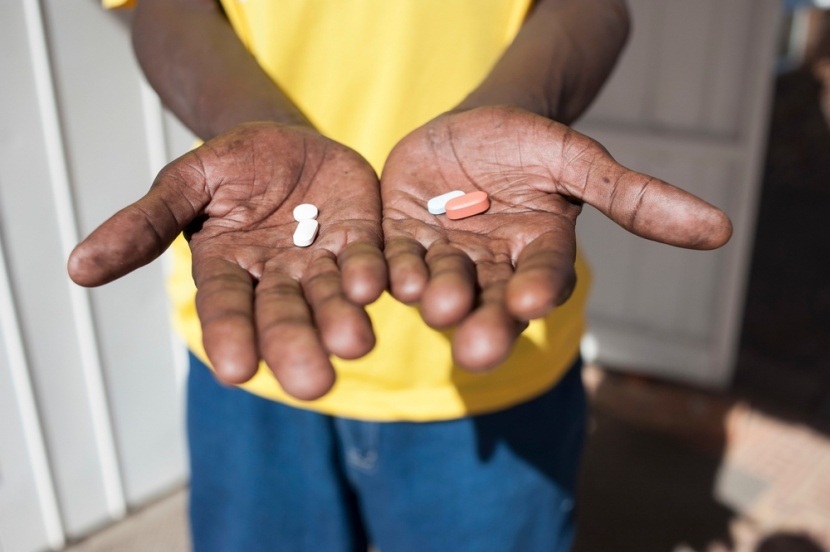
Legislative changes giving effect to South Africa’s recently published Intellectual Property Policy “Phase 1” will not take place during this term of government, the country’s trade minister has said. Meanwhile, a side-by-side comparison with the 2017 draft legislation shows a series of changes in the final policy, and the pharmaceutical industry is complaining but appears determined to continue investing in the country.

IP, AI, Health Commitments Mere Footnotes In Quarrel Between G6 And Trump?

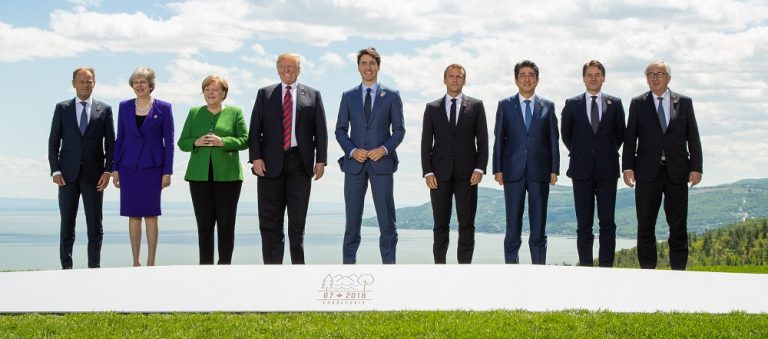
Leaders at the G7 Summit tried to mitigate tensions by taking on some US favourites in their final communiqué like “forced technology transfers,” a topic brought up only recently by the United States at the World Trade Organisation. Forced technology transfers, according to US diplomats, are licensing and administrative rules entertained by China to oblige foreign firms to share technology in exchange for gaining access to the Chinese market. They also had sought to agree on a vision for artificial intelligence, a range of health issues, and foreign cyber interference with elections.

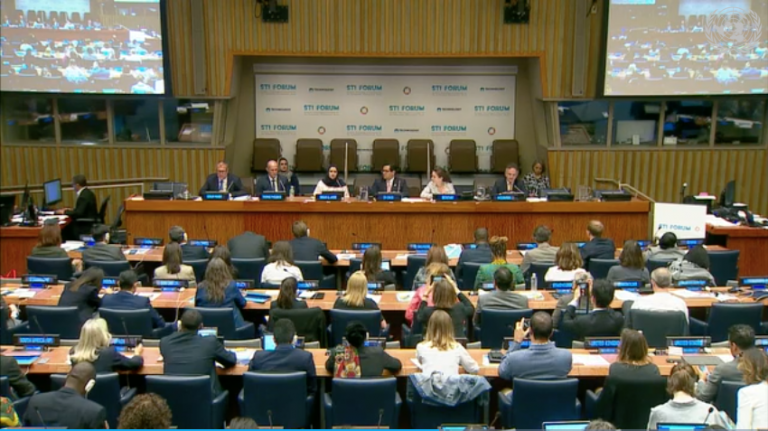
Opportunities, Risks Of Rapid Technological Change Discussed At UN

The Third annual United Nations Multi-stakeholder Forum on Science, Technology and Innovation for the Sustainable Development Goals opened with Marie Chatardová, president of the Economic and Social Council, stating that “STI is shaping the trajectory of our society, helping the world address global challenges and achieve Sustainable Development Goals.”

US Section 301, China, And Technology Transfer: Law And Its Limitations Revisited (Again)

Frederick Abbott writes: On 20 May 2018, US Treasury Secretary Mnuchin announced that the US and China were “putting the trade war on hold” while the two countries seek to “execute the framework” of a broad agreement intended to reduce the US trade deficit in goods with China. According to the joint statement issued on 19 May 2018, “Both sides attach paramount importance to intellectual property protections, and agreed to strengthen cooperation. China will advance relevant amendments to its laws and regulations in this area, including the Patent Law.”

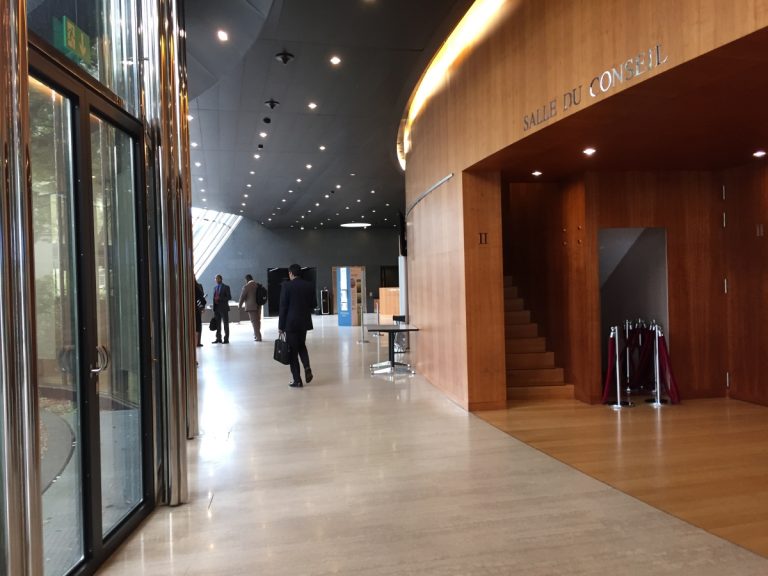
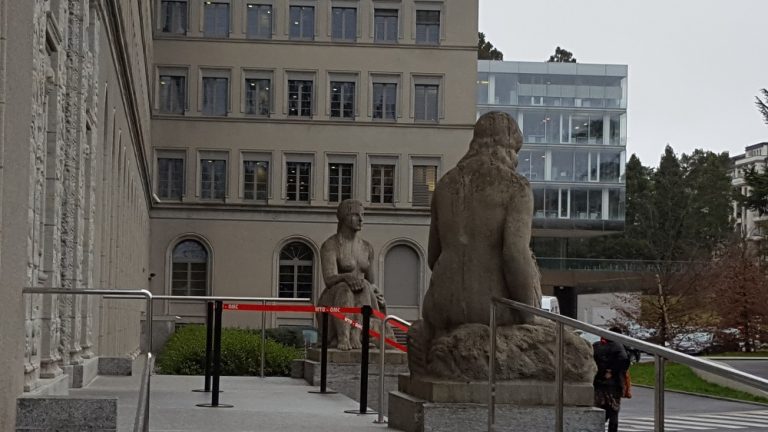
TRIPS Council Debates IP Improving Lives, Competition Law To Increase Medicines Access

Whether intellectual property rights are improving lives or whether they should be reined in by tools such as competition law to increase access to medicine, education, and innovation, was debated this week at the World Trade Organization committee on intellectual property. Also on the agenda was a suggestion by least-developed countries to create incentives for developed country companies and institutions to transfer technologies for the benefit of the poorest countries.

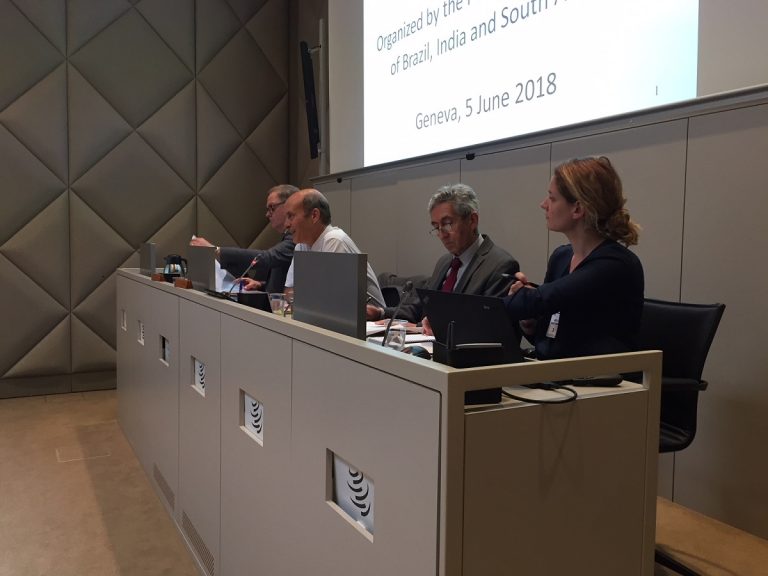
Experts In Geneva: Substandard, Falsified Medicines Not About IP

Falsified and substandard medical products continue to be a global concern, and how those products are characterised is important to avoid confusion, particularly with intellectual property rights infringement. A panel convened by Brazil, India and South Africa yesterday at the World Trade Organization looked at the implications of a new definition of such products at the neighbouring World Health Organization.

Terminando con el acceso no autorizado a los recursos genéticos (biopiratería): Apertura delimitada

El “acceso a los recursos genéticos” y “la participación justa y equitativa de los beneficios que provienen de su utilización” han atribulado las trece Conferencias de las Partes del Convenio de las Naciones Unidas sobre la Diversidad Biológica(CDB), que entró en vigor en 1993. La expresión entre comillas se conoce por sus siglas en inglés como “ABS”. Es el tercer objetivo del Convenio, entrelazado con los primeros dos, que son la conservación y el uso sostenible. A pesar de 25 años de esfuerzos y una bioeconomía de casi un trillón de dólares, pocos son los contratos de acceso que han sido celebrados. De esos pocos, los beneficios monetarios son tan bajos que las partes contratantes (y otros actores) son reacias a divulgarlos, bajo la excusa de “confidencialidad por sensibilidades comerciales”. La ley brasileña de ABS de 2015, que entró en vigor el 6 de noviembre de 2017 por ejemplo, permite que las regalías de las ventas netas sean tan bajas como la décima parte de uno por ciento. En palabras de un erudito jurista, los Usuarios pagan “una miseria por la biodiversidad”.