Category Themes

The Myth Behind Health And Trade Agreements – Q&A With Othoman Mellouk

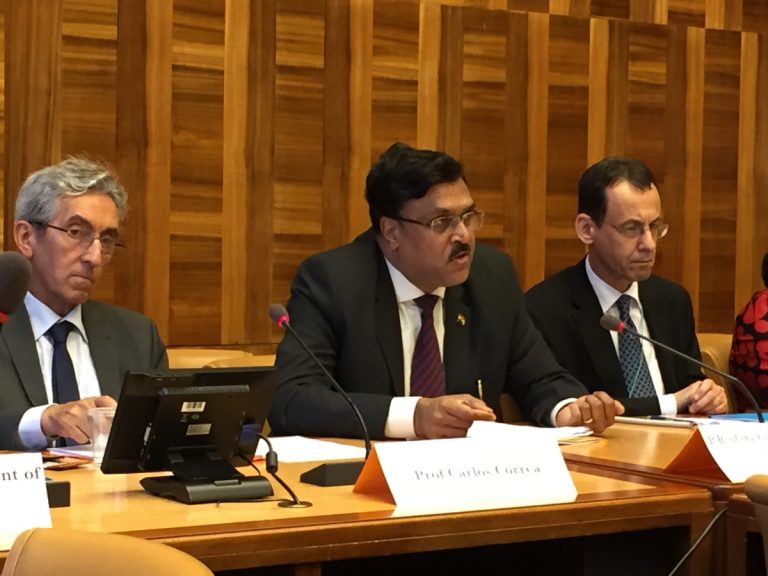
Dr Othoman Mellouk is a Moroccan treatment advocate who has been working on intellectual property and access to medicines for more than a decade. He is the Intellectual Property and Access to Medicines Lead at the international treatment preparedness coalition (ITPC), a global network of people living with HIV and their advocates working together to achieve access to HIV and Viral Hepatitis and a member of the WHO Strategic and Technical Advisory Committee on HIV and Hepatitis. Dr Mellouk started off in the Association for the Fight against AIDS which has been at the forefront of the response to HIV in Morocco and the introduction of the first anti-HIV generic medicines in the country. In a series supported by the Make Medicines Affordable organisation, Mellouk recently engaged in an interview with Patralekha Chatterjee for Intellectual Property Watch. [Note: this interview is one of two. An interview with Carlos Correa will follow.]
Rethinking Article III Standing In IPR Appeals At The Federal Circuit (US)

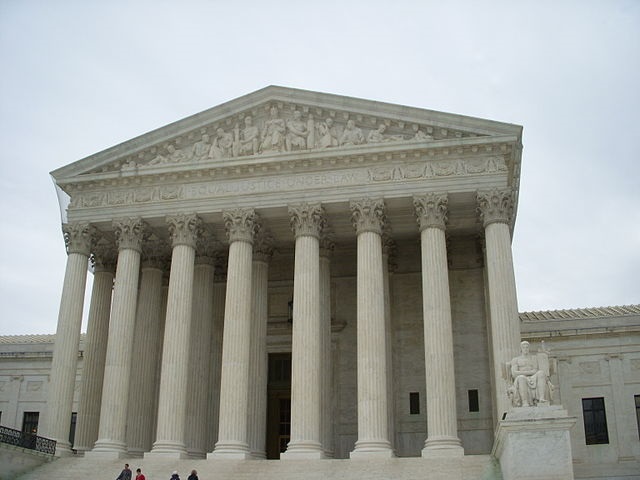
If the Federal Circuit will not correct its misplaced jurisprudence, then it is time for the Supreme Court to correct course, and bring into line the Federal Circuit’s IPR standing to appeal jurisprudence, with the Supreme Court’s (and other Circuits’) more forgiving law of allowing petitioners whose petitions are denied, to challenge such denials, particularly when Congress has set forth reasonable conditions, like Section 319, upon which such challenge is to occur, write Charles Macedo, Chandler Sturm, and James Howard.

Deference, Not Delegation! – WIPO PCT Negotiations

A new PCT Proposal seeks to amend the PCT Regulations so as to provide Member States to enter into a voluntary or opt-in arrangement that would allow such Member state to ‘outsource’ it’s patenting mechanism to another country/ regional treaty office even if it is not a member of such regional treaty. However, a patenting office with a full-fledged examination cadre acts a core component in capacity building for the Member State and serves to protect against imposition of TRIPs plus provisions by being an active part of the national policy discourse. Instead of opting in for full-fledged ‘outsourcing’ of their patenting function, it may be a better idea (in the long term) to develop their internal patent office cadre, develop appropriate IP policies best suited to their stage of development and at the same time, giving deference to the patenting decisions of like-minded countries. Developing countries will stand to benefit more by showing deference to decisions of like countries, rather than delegating the power to make those decisions. By granting a Contracting state the power to grant and reject patents of another State, this proposal could tantamount to introducing substantive patent law provisions through the backdoor: an endeavour to harmonize substantive patent law that the WIPO has failed to achieve over the years.

US Imposes USD 50B In Tariffs On China For Forced IP/Tech Practices, Cybertheft

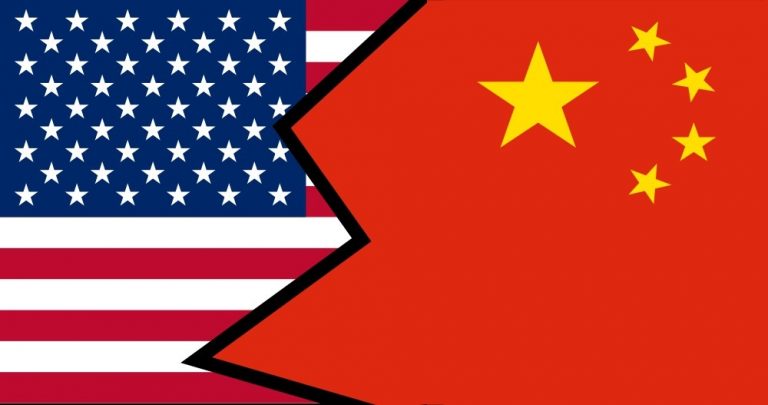
The United States today released a list of products imported from China to the US on which additional tariffs will be placed as a measure aimed at pressuring China to change its practices the US says force US companies to give up intellectual property and transfer technology. Some industries have been dropped from the list such as pharmaceuticals, while a second list has now been announced, officials told reporters this morning.

Countries Discuss Prospect Of Plurilateral Agreement On Genetic Resources Protection

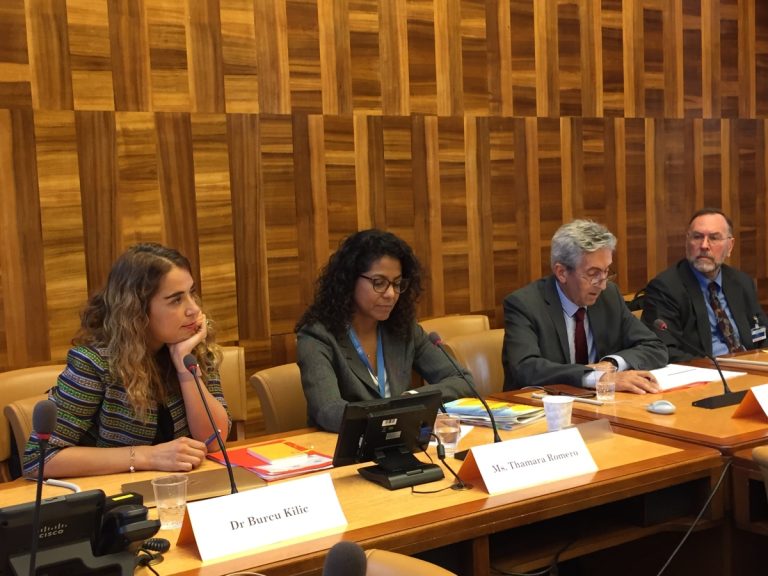
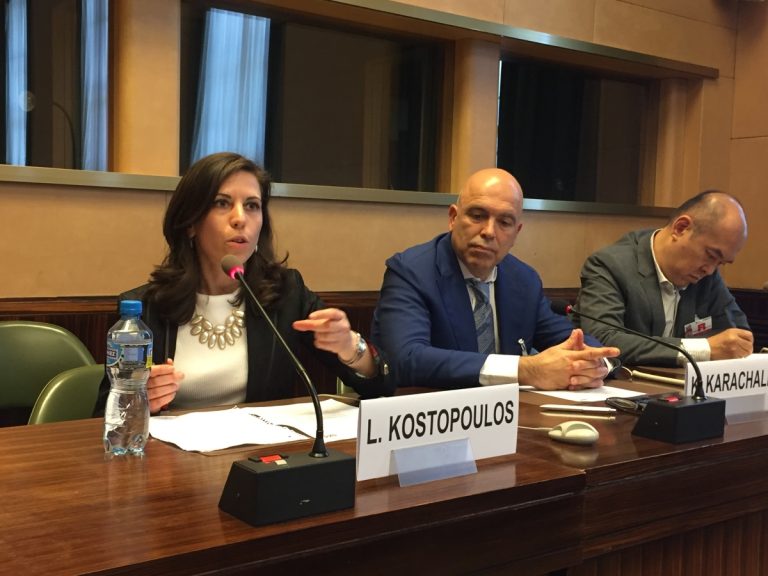
Faced with a longstanding lack of progress at the World Trade Organization and the World Intellectual Property Organization on the protection of genetic resources and traditional knowledge, some developing countries are examining the possibility of moving outside the multilateral system toward a plurilateral agreement with like-minded countries. During an international conference last week, panellists pondered the prospects of such an option.

Indigenous Peoples Seek Involvement In WTO To Defend Rights (Video)

Indigenous peoples are losing their genetic resources and traditional knowledge and need to be involved in negotiations on World Trade Organization intellectual property rules and the UN Convention on Biological Diversity, representatives told a conference on the subject last week. In a podcast and video interview with Intellectual Property Watch below, the indigenous representatives explain their case.

En finir avec l’accès aux ressources génétiques sans autorisation (c’est-à-dire avec la biopiraterie): « l’ouverture limitée »

L' « accès aux ressources génétiques » et le « partage juste et équitable des avantages découlant de leur utilisation » s’est révelé un véritable casse-tête pour l’ensemble des 13 Conférences des Parties à la Convention des Nations Unies sur la Diversité Biologique (CDB). La formule, entre guillemets, qu’on désigne par l’acronyme « APA », se réfère au troisième objectif de la Convention, lequel est étroitement liée aux deux premiers, à savoir la conservation et l’utilisation durable de ces ressources. Malgré 25 années consécutives d’efforts et dans un contexte où le marché de la biotechnologie représente, annuellement, un trillion de dollars, peu d’accords APA ont été conclus jusqu’ici. Les bénéfices monétaires des quelques contrats existants sont si faibles que les contractants répugnent à les dévoiler. La « législation APA brésilienne » de 2015, qui est entrée en vigueur le 6 novembre 2017, permet par exemple d’offrir des royalties jusqu’à un dixième de pour cent du chiffre d’affaire. Selon les termes d’un éminent juriste: « les usagers paient des cacachuètes pour se servir de la biodiversité ».

Major Emerging Economies Push To Revive Discussions On Genetic Resources Misappropriation At WTO

Efforts by developing countries to prevent the misappropriation of genetic resources and traditional knowledge have thus far been fruitless at the World Trade Organization. In particular, discussion on the relationship between the rules of the Nagoya Protocol on access and benefit-sharing and the intellectual property trade rules are going nowhere. In this context, India, supported by other major developing nations, initiated a two-day conference recently in order to look at ways to unlock the situation.

Experts To Regulators: AI Is A Panacea – With Hidden Dangers To Humanity

The heads of national telecommunications and technology regulatory authorities are gathering next month at the International Telecommunication Union to address new technologies. Not surprisingly, artificial intelligence and data hold centre stage in the programme. The meeting comes after a recent event at the United Nations where divergent voices recognised the potential beneficial uses of new technology, but warned against the undeclared intentions behind it. Separately, a new study from the Massachusetts Institute of Technology shows the influence of data in machine learning algorithms with chilling consequences.