Category IP Law

Limitations And Exceptions As Key Elements Of The Legal Framework For Copyright In The European Union – Opinion On The Judgment Of The CJEU In Case C-201/13 Deckmyn

In this opinion, the European Copyright Society (ECS) puts on record its views on the issues raised by the Judgment of the Court of Justice of the European Union (CJEU) in Case C-201/13, Deckmyn, which departs from the doctrine of strict interpretation of exceptions and limitations in cases in which fundamental rights such as freedom of expression are involved.

China’s First Intellectual Property Court Makes Its Debut, Two More To Follow

The following is a contributed summary of recent news in China from various sources. The Beijing Intellectual Property Court, China’s first specialised IP court, came into being on 6 November, for which a ceremony unveiling the court’s nameplate was held at the court’s domicile in the capital city’s Haidian District, home to many technology giants and universities.

The Indian Copyright (Amendment) Act, 2012 And Its Functioning So Far

It’s been a little over two years since the Copyright Act, 1957 was extensively amended in 2012 with far-reaching ramifications for all categories of stakeholders. The amendments purported to introduce a level playing field for different categories of right holders in the entertainment industry, recognise the access needs of users of the copyrighted works in general and visually impaired population of the country in particular, align the copyright regime of the country with rapid advances in technology and streamline copyright enforcement and administration. To gauge the influence of the amendments on copyright regime in India as well as to see if their implementation so far has been in sync with the legislative intent, this article seeks to evaluate the Copyright (Amendment) Act, 2012 as well as their working, writes Abhai Pandey.

Special Report: Russia Modernises Its Intellectual Property Law

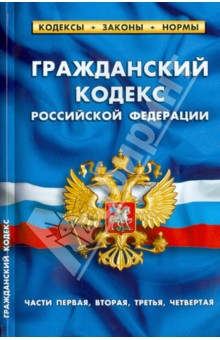
As of 1 October, major amendments of the Civil Code of the Russian Federation (the RF Civil Code) came into force concluding the most recent and extensive legislative revision since Part I of the Code was adopted in 1994. Changes affected substantive and procedural norms including Part IV codifying provisions on intellectual property rights. This report takes stock of some of the introduced novelties.

US Cracking Down On Software Patents

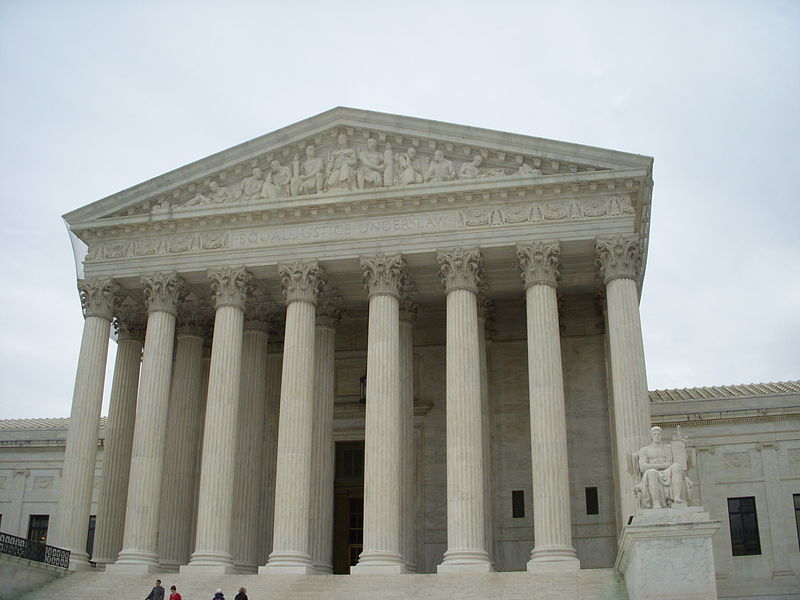
The US courts are aggressively applying the ruling. So is the US Patent and Trademark Office (USPTO). Thanks to their common interpretation of the US Supreme Court’s recent decision in Alice Corp. v. CLS Bank, it is now open season on software patents.

Libraries May Be Permitted To Digitise Books Without Copyright Owner’s Consent, EU High Court Rules

European Union governments may allow libraries to digitise books in their collection without rights owners' consent in order to make them available at electronic reading posts, the European Court of Justice (ECJ) said on 11 September. If library users want to print works out on paper or store them on a USB stick, however, rights holders must be fairly compensated.