Category IP Law

Court Orders USTR To Justify Industry Advisor Confidentiality In TPP

The Office of the United States Trade Representative (USTR) next week is expected to provide justification for withholding from a Freedom of Information Act request the communications with its industry advisors as confidential commercial or financial information. The case involves communications in the lead-up to completion of the Trans-Pacific Partnership (TPP) agreement, and could set a precedent for exemptions of communications with lobbyists.

Special Report: US Reverses Course On Patent Injunctions

The Federal Circuit is no stranger to controversy. And recently, the court stepped in it again. In an important ruling, the court made it far easier for some patent owners to obtain injunctions against infringers. The ruling could promote patent litigation in many industries, boost litigation costs, and effectively undermine a key Supreme Court decision limiting the availability of patent injunctions.

Infojustice.org: Google Books And Feist-y Fair Use

From infojustice.org: Judge Pierre Leval’s opinion [on 16 October] in the Google Books case offers another fascinating glimpse into the richness of his thinking about the concept of fair use. Although the outcome in Google Books (Google wins, duh) was obvious to anyone whose paycheck didn’t depend on their believing otherwise, the discussion that gets us there sheds light on a host of hot fair use topics in ways that courts and copyright wonks will be citing and unpacking for years to come.

New Book Launched At WTO: The Making Of The TRIPS Agreement

The 1994 World Trade Organization Agreement on Trade-Related Aspects of Intellectual Property Rights (TRIPS) has been a landmark pact in the IP world and beyond. Now on the 20th anniversary of its entry into force, former TRIPS negotiators and other experts have come out with a book recounting the remarkable set of circumstances and compromises that took place to bring this agreement into being.

Interviews: Google Speaks On Need For Balanced IP System; EPO On “Tomato II” Case, Board Of Appeal Revamp

COPENHAGEN - Google is “really looking for a balanced IP system,” the company’s head of litigation told the Global Patent Congress, while the European Patent Office elaborated on the “Tomato II” case, which for civil society has become the very symbol of an imbalanced IP system. Intellectual Property Watch spoke with senior officials at both Google and the EPO at the conference.

IP-Watch/Yale FOIA Case Decided: USTR Can Keep TPP Texts Secret, But Maybe Not Communications With Industry Advisors

As government negotiators dig into perhaps the final round of the Trans-Pacific Partnership trade negotiations this week in Atlanta, they may take comfort in knowing that nothing they are doing has to be shared with the public they represent until years after it is over. That's because a federal district court in Manhattan decided this week, in a closely watched Freedom of Information Act case brought by Intellectual Property Watch, that draft texts of the trade deal can be kept secret. The court did, however, cast doubt on the government's reasons for also keeping its communications with industry lobbyists from the public eye.

CEIPI Launches Training Program For Technical Judges Of Unified Patent Court

One of the major imminent changes in the international patent system is the establishment of the Unified Patent Court. The agreement to create this tribunal was signed by 25 European Union States in 2013, and it is foreseen that the Court will be operational by the end of 2016. Setting up of a single tribunal with competence to decide on both validity and infringement disputes is an old European aspiration, and must be seen in the context of the global trend of creating specialized intellectual property tribunals. In this case, the aim is to respond to the high costs, forum shopping and lack of legal certainty that are generally attributed to the current system of adjudicating disputes concerning European patents. Among the many new features of the Court, the presence of technical judges is particularly notable.

US Court Adds Confusion To #Trademarks

Once, hashtags (like #cute_cat) merely identified topics on Twitter, Facebook, and other social media. No longer. A rapidly growing number of companies are using hashtags (like #HowDoYouKFC) as trademarks. There is one problem, however. A court in the US has recently ruled that hashtags can never receive trademark protection.

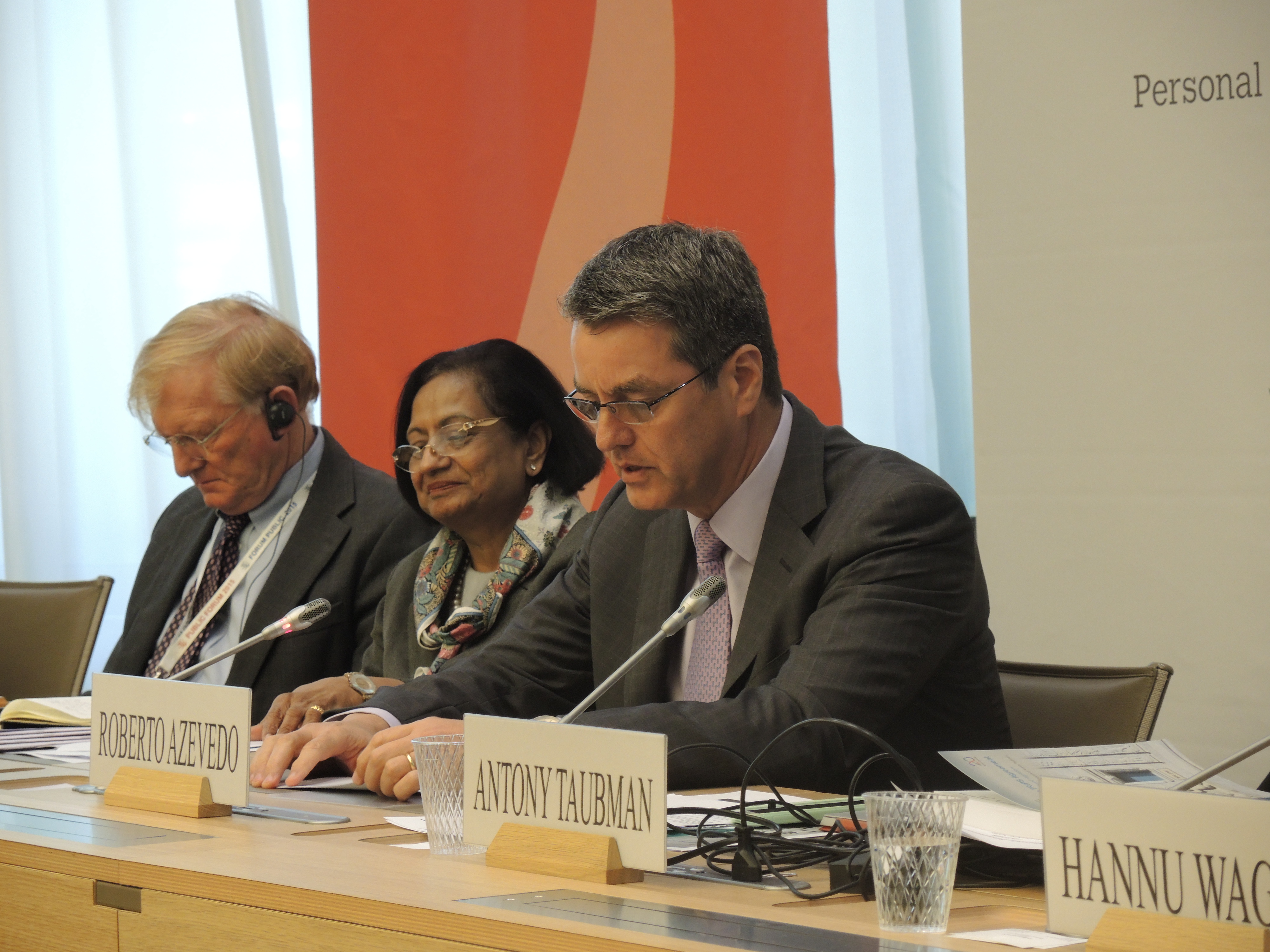
WTO Public Forum: Trade Works – Taking Stock After 20 Years

This week, the World Trade Organization is holding its yearly public forum with a focus on the contribution of the organisation to global trade since its inception 20 years ago. Some 90 sessions are planned, on issues such as intellectual property, global value chains, agriculture, trade for development, and the WTO dispute settlement system.