Category Information and Communications Technology/ Broadcasting

South Africa Says WIPO Broadcasting Treaty Would Address Piracy As African Production Grows

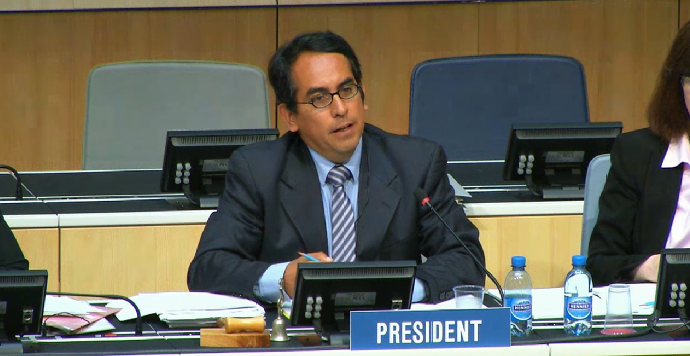
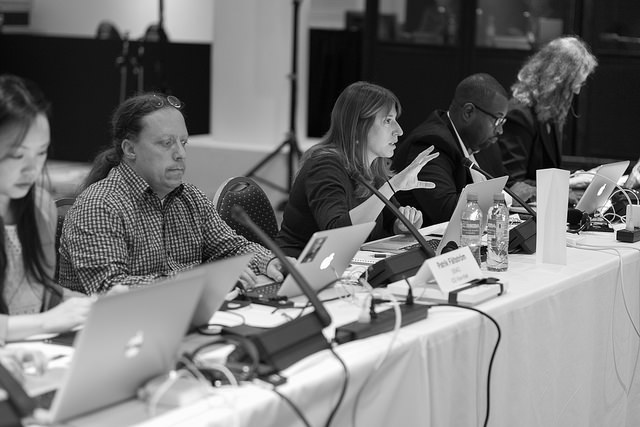
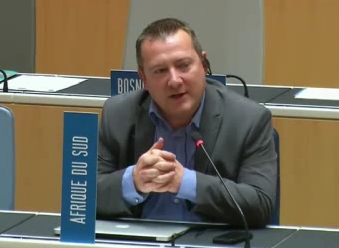
As the broadcasting sector is growing in developing countries, concern over piracy of the signal of their broadcasts is rising, according to delegates from South Africa. Delegates attending last week’s World Intellectual Property Organisation copyright committee meeting sat down with Intellectual Property Watch and argued the importance of a potential WIPO treaty protecting broadcasting organisations’ rights.
No Directions For WIPO Copyright Committee, Despite Positive Mood

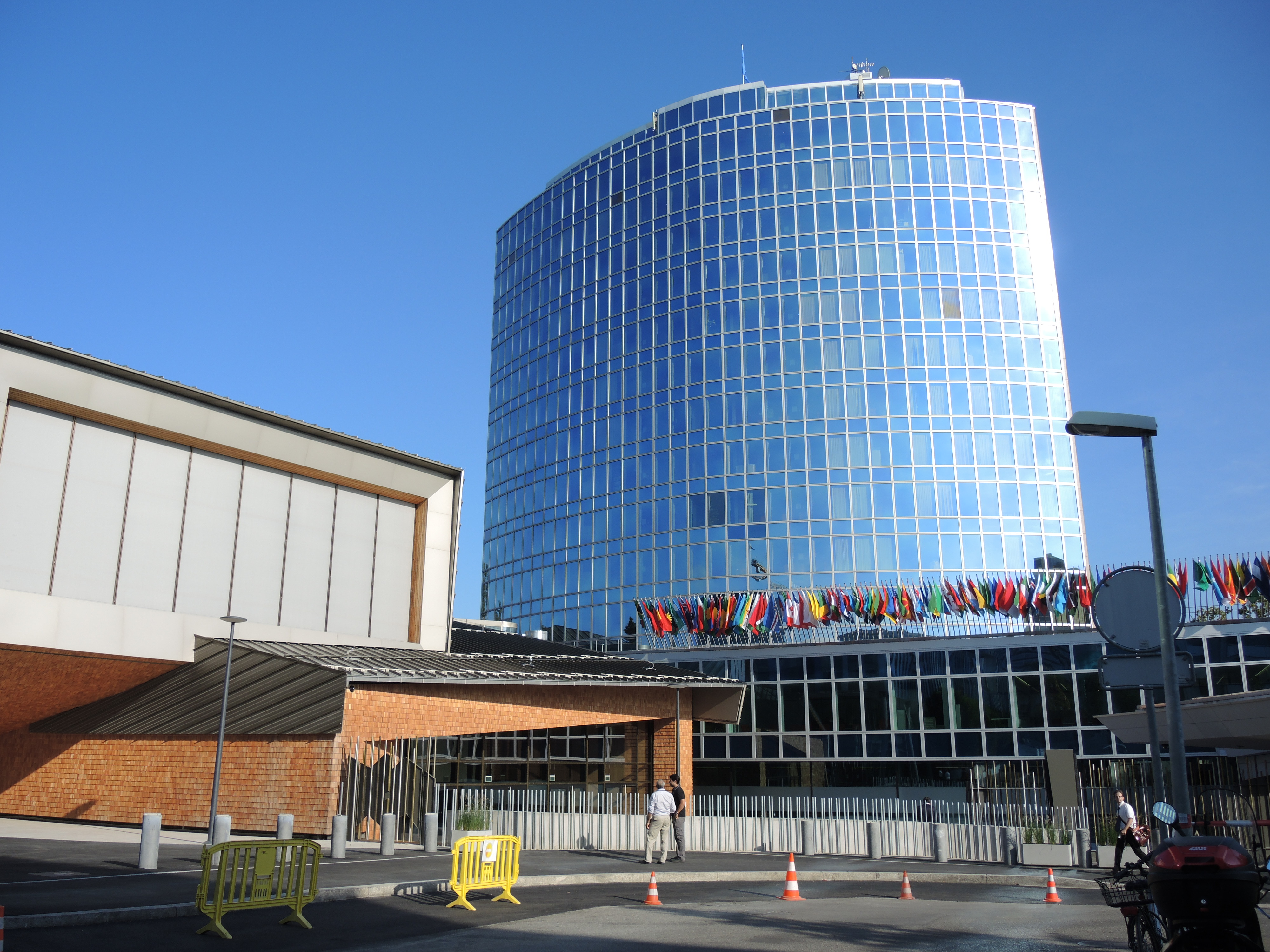
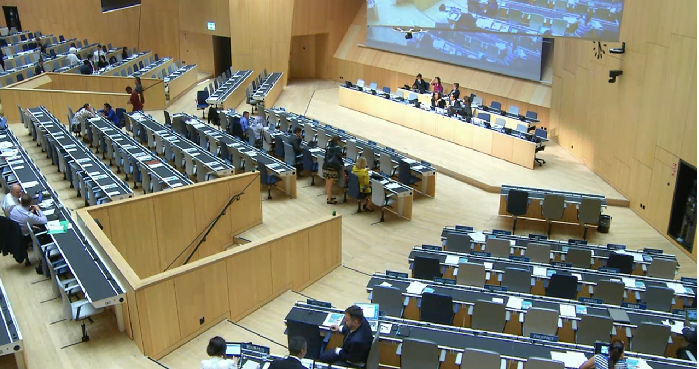
Despite what was described as good momentum by World Intellectual Property Organization delegates trying to find ways to protect broadcasting organisations against piracy and providing copyright exceptions and limitations for the benefit of libraries, archives, education and research, no recommendation to the upcoming annual WIPO General Assembly could be agreed last week.

Poland To Modify Authors’ Rights Violations Regulation After Constitutional Court Ruling

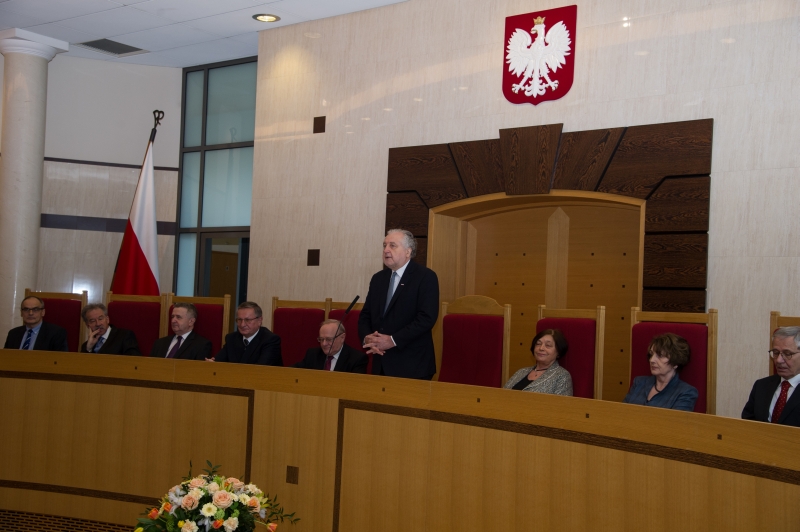
WARSAW - Poland’s Constitutional Court has released a ruling in which it states that the country’s regulation obliging any entity violating other entity’s author’s rights to pay the threefold amount of due payment is excessive, and, as a result, should be amended. The latest ruling will oblige the Polish Parliament to modify the authors’ rights bill in line with the Constitutional Court decision, and decrease the amount of the due compensation.

Developing Country Broadcasters Ask For International Signal Protection At WIPO

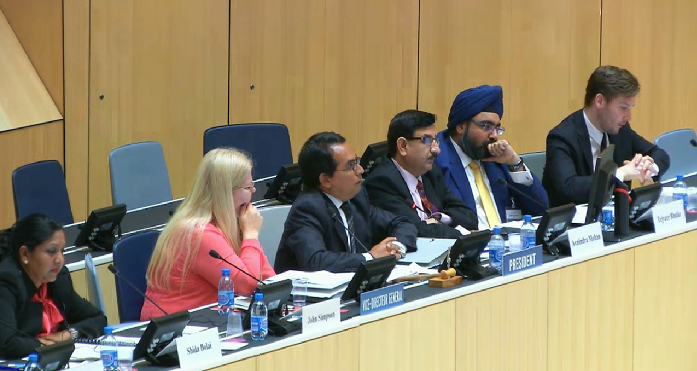
The World Intellectual Property Organization committee on copyright opened this week with an information panel that underlined that broadcasters in developing countries face more or less the same issues than their counterparts in developed countries. Piracy remains a shared issue. This week, the committee is expected to breach the gap on differences on a potential treaty to protect broadcasting organisations.

Special Report: ICANN Reviews Process For New Domains; Names Proposal For IANA Transition Done

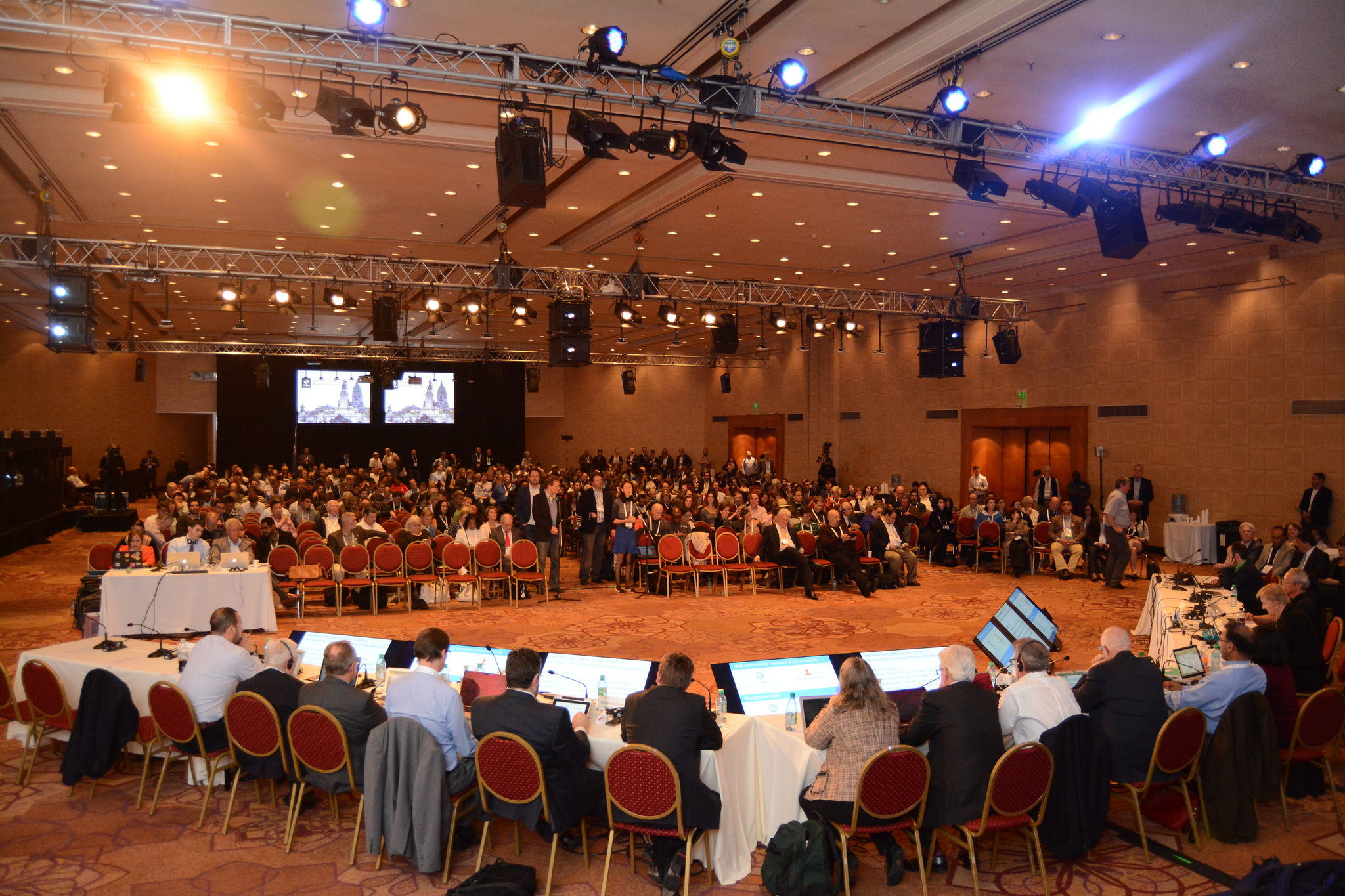
Experts at last week’s meeting of the Internet Corporation for Assigned Names and Numbers (ICANN) in Buenos Aires reached a milestone with a final proposal from the ICANN working group for the transition of internet control away from the United States. But global governance without oversight remains difficult, as the ongoing review of the introduction of new generic top-level domains aptly illustrates.

US Political Trademarks And Campaign Branding 2016

As prospective presidential candidates prepare to plunge voters in the United States into campaign purgatory, it is time for pundits to examine how candidates are branding their political campaigns and crafting their messages to appeal to the electoral audience. With the presidential race beginning to heat up, which candidate will seize the message that resonates most with American voters? And what will that message be?

Experts Debate IANA Transition: “Designing In A Straitjacket” Or Securing Stability?

Internet expert groups this week are being asked if they agree to a proposal prepared in thousands of hours of voluntary work to transition key elements of internet control away from the United States government. Meanwhile, the US confirmed that the process of transition will extend well beyond the target of September of this year, and some countries are deploring that the transition was not started with a “clean slate.”

IANA Transition Slipping; Technical Communities Ask For Phases

Preparations for transitioning the Internet Assigned Numbers Authority (IANA) – with core elements of the global internet - out of United States oversight do not appear to on track for the 30 September deadline. As a result, cautious pressure is mounting from the internet protocol numbers administration and protocol standardisation bodies to consider at least a “phased implementation” of the transition.