
Category Information and Communications Technology/ Broadcasting

WIPO Limitations & Exceptions Treaty Advances; Audiovisual Treaty Gets New Life

After intensive negotiations, the World Intellectual Property Organization copyright committee reached agreement Friday night on a plan to address a proposed treaty on copyright exceptions for visually impaired persons and others. There also appeared to be a renewed focus on a decade-old treaty proposal on audiovisual performances, according to participants.
Proposed WIPO Treaty On Visually Impaired Access Gets Deeper Look

A treaty on copyright exceptions for visually impaired persons proposed this week at the World Intellectual Property Organization met with no immediate objections, according to participants, but how to treat the proposal and other limitations and exceptions in the future has led to a sharpening divergence among governments.

Special Report: The Future Of File Sharing

Digital content owners continue to emphasise enforcement and protection of intellectual property. However, the impact that litigation and legislation have had with the purpose of limiting illegal file sharing remains questionable, thus setting the stage for new economic models and approaches that could serve as a remedy.

Broadcasting Industry Makes Case For WIPO Treaty Revival

To kick off the World Intellectual Property Organization copyright committee meeting this week, representatives primarily from the broadcasting industry gave their views on key developments in the field, and what that means for intellectual property protection. The overwhelming message was the revival of a strong call for a global policy solution to address cross-border challenges in the industry, though a few speakers included attention to the public interest.

Freedom Of Expression Vs. DRM — The First Empirical Assessment

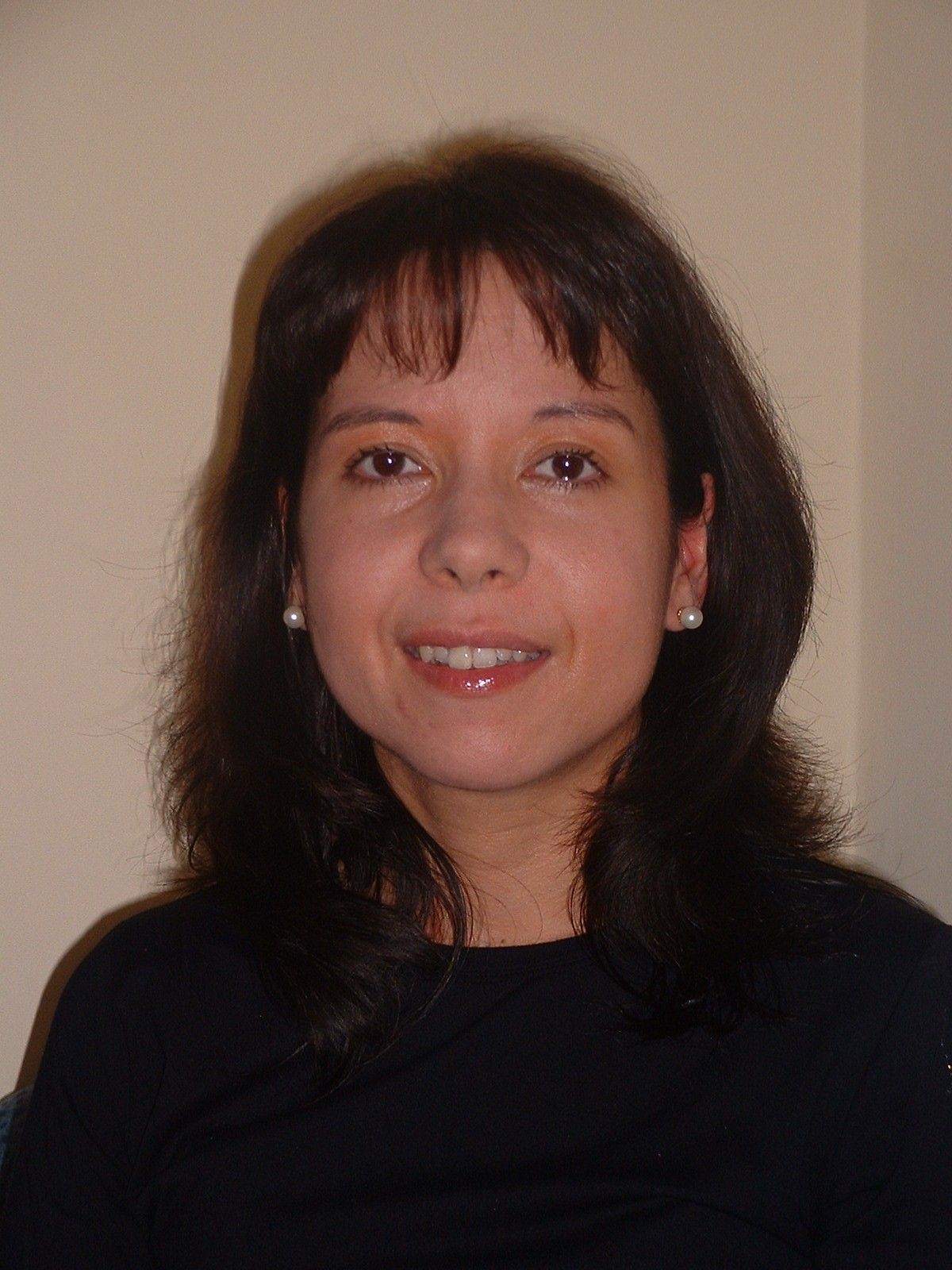
patricia-akesters-photoResults of recent research on the impact of digital rights management (DRM) on the ability of users to take advantage of certain exceptions to copyright have introduced new systemic empirical data into the debate.

Copyright Exceptions Needed To Ensure Balance In Africa, Panellists Say

International copyright laws do not take into account the reality of the conditions of accessing knowledge in Africa and clearer limitations and exceptions are needed to achieve a balanced copyright regime at the national level, panellists said at a seminar on development research on 20 May.

UN Internet Governance Panel Urges Infrastructure, Education On Access To Knowledge

Access to knowledge is a future challenge and a key factor for social and economic development but a balance needs to be found between the interests of rights holders and those of the public, said speakers at a high panel on access to knowledge during the World Summit on the Information Society Forum on Monday.

Plainte contre un enseignant argentin : l’accès à l’éducation en question

Un professeur argentin de philosophie qui avait mis en ligne sur Internet des traductions en espagnol des travaux du philosophes français Jacques Derrida est actuellement poursuivi par la justice pour violation présumée des droits d’auteur, selon l’organisation Copy South Research Group. Cette affaire met en lumière les limitations qui découlent de l’application du droit d’auteur sur l’accès à l’éducation.

US Patent Reform Prospects Unclear; First-To-File Questioned

Patent reform may be chugging along in the United States Congress, but so far, with the Senate soon to be consumed with what could be a contentious Supreme Court nomination fight, and with President Obama still lacking a new director of the US Patent and Trademark Office, some are questioning whether reform will actually happen this year. In addition, a key "first-to-file" provision in the US bill to harmonise with other countries may be more appearance than substance.

Un caso sobre derechos de autor en Argentina pone en primer plano el acceso a la educación

Se ha entablado una demanda contra un profesor argentino de filosofía por una presunta violación de derechos de autor ante la publicación de versiones traducidas de las obras del filósofo francés Jacques Derrida en una página web, según informó el Grupo de Investigación CopySouth. El caso atrajo la atención de la comunidad internacional hacia las limitaciones en el acceso a la educación como resultado de los derechos de autor.