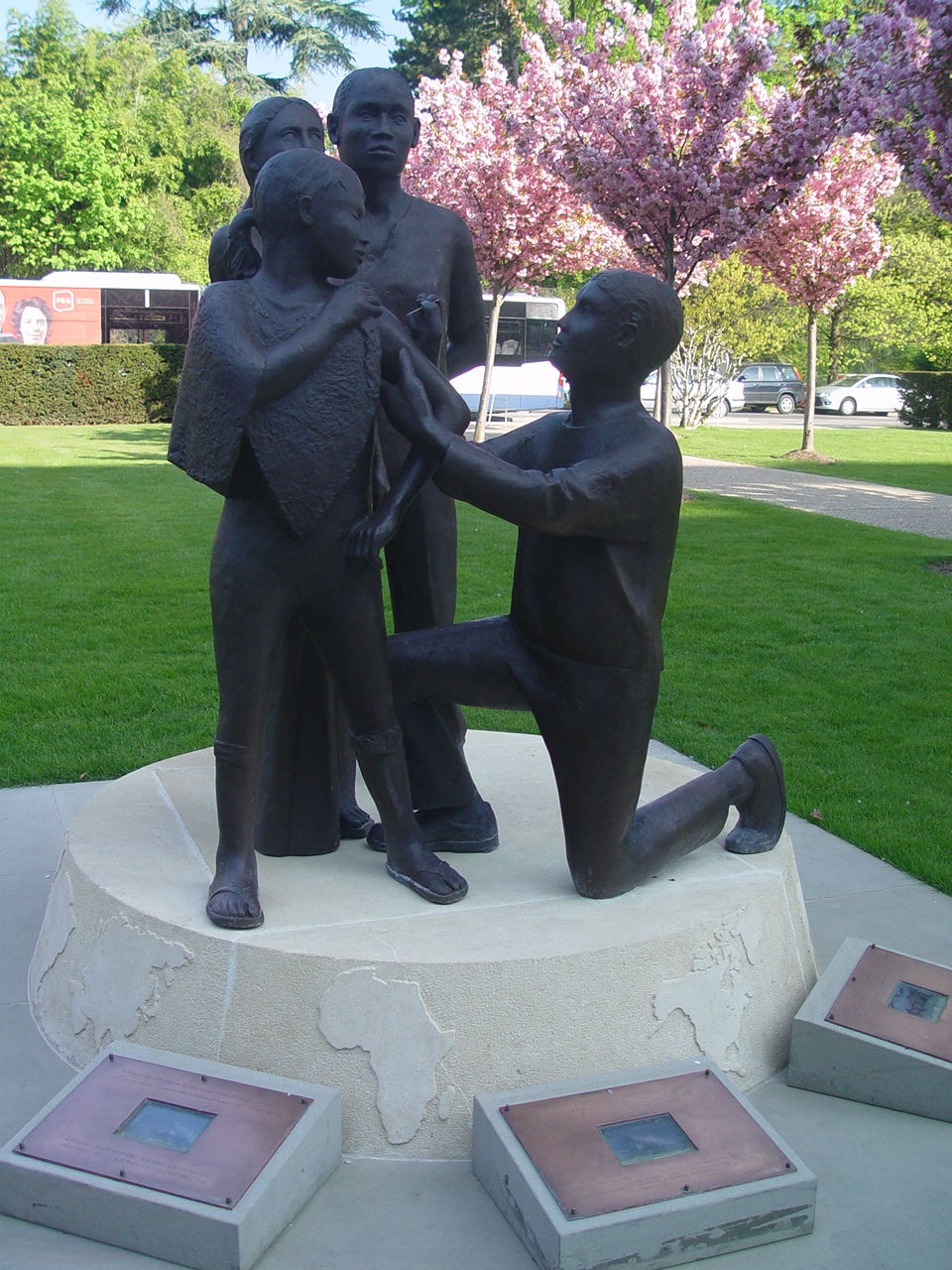
WHO Health Specialists Meeting To Evaluate Potential Ebola Therapies and Vaccines
The World Health Organization this week is holding a consultation on potential Ebola therapies and vaccines.

Original news and analysis on international IP policy
The World Health Organization this week is holding a consultation on potential Ebola therapies and vaccines.

In a longstanding World Trade Organization dispute about measures affecting the cross-border supply of gambling and betting services, Antigua and Barbuda has made a new proposal to the United States on a way to solve the issue of the US not complying with a WTO ruling it lost. And in a separate matter at the same WTO meeting last week, Cuba referred to the US failure to change a law barring a rum trademark in the context of railing against US policy of "economic suffocation" of the island nation.

A report of the United Nations High Commissioner for Human Rights on the right to privacy in the digital age has been lauded by a group of civil society organisations who also called states to curtail mass surveillance and for the ITU constitution to be amended.
The inclusion of intellectual property in the ongoing negotiations of the Regional Comprehensive Economic Partnership between 16 countries, most of them Asian, is raising concerns about "TRIPS-plus" measures that could jeopardise generic drugs production in India, according to Médecins Sans Frontières.
Faced with the worst outbreak of Ebola since its discovery some 40 years ago, the world is scrambling for treatments. A World Health Organization-convened panel of experts has decided it is ethical to use experimental treatments. Why is there no treatment available even after 40 years? Market failure, not intellectual property rights, says the WHO.
United Nations experts are underlining the importance of using the term “indigenous peoples” in a UN draft set of sustainable development goals from which they say the term has been deleted.
Unfertilised human eggs that can't develop into human beings are generally not “human embryos” within the meaning of the EU directive on the legal protection of biotechnological inventions, a 17 July European Court of Justice Advocate General opinion said. The opinion is good news for researchers into stem cell therapies, said a member of the industry group IP Federation, who added he hopes it will be upheld by the ECJ. But one biotech civil society member said the ruling, if it stands, could be abused.
Neelie Kroes, vice-president of the European Commission responsible for the Digital Agenda, today hailed open knowledge in government, science, the internet, and education, and called again for "urgent reform" of copyright.
A joint United Nations commission on food safety this week has set several new standards on level of lead, arsenic and drugs appearing in food.
According to a report released today by the United Nations programme on HIV and AIDS (UNAIDS), around 19 million of the 35 million people living with HIV do not know that they have the virus. But if the right steps are taken, the epidemic could be ended by 2030, it says.
As the governments of the largest emerging economies gather this week in Brazil, a civil society coalition has issued a call for them to lead change in the global system of internet governance in light of revelations of mass surveillance. The groups provide suggestions for constructing a system that ensures human rights, equity and social justice for all people.
United Nations High Commissioner for Human Rights Navi Pillay today released a report criticising government mass surveillance, including the coercion of companies to release individuals’ information without their knowledge or consent. This activity is “severely hindering” accountability in human rights violations, and that governments must prove the legality of their actions, she said.