Category Human Rights

Review of “Digital Depression: Information Technology And Economic Crisis”

Information and communication technologies (ICTs), and in particular the internet, have revolutionized and disrupted all aspects of human activity, and even behaviour. This has resulted in many academic publications and much discussion, including in intergovernmental bodies, regarding various issues, including how best to govern the internet.

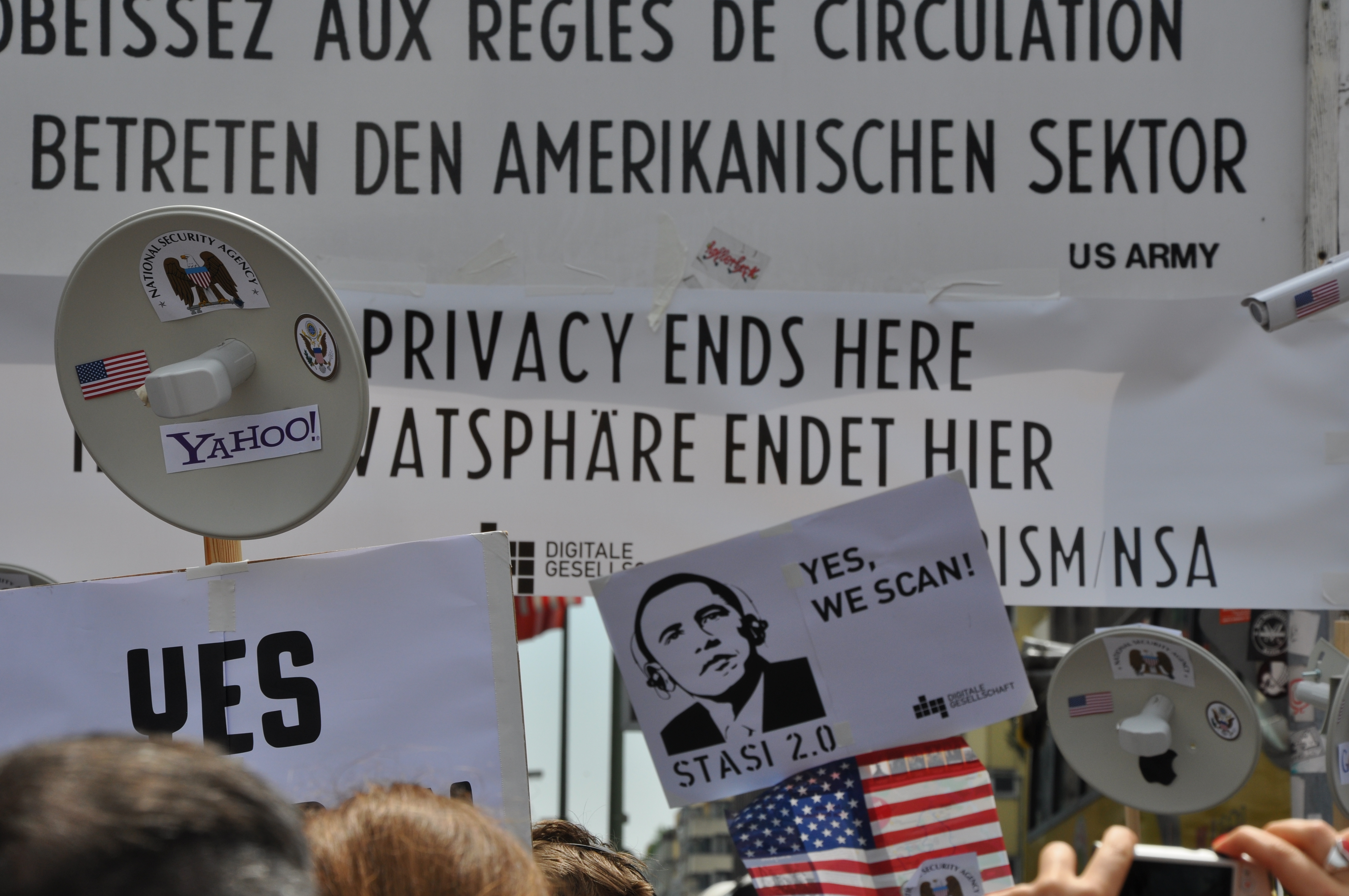
Dan Schiller’s book helps us to understand the background of these events, which have affected economic and political power relations, and how US policies have consistently favoured capital over labour, and have resulted in transfers of vast sums from developing countries to developed countries, writes Richard Hill.

USTR’s Investigations On IP Rights Against India: Is There A Tenable Case?

On 14 October, the US Trade Representative (USTR) began the out-of-cycle review (OCR) of India’s intellectual property (IP) laws, the mandate which it gave itself in the 2014 Special 301 Report. Like several years in the past, the USTR once again included India in the Priority Watch List, but this time, India’s IP laws are being subjected to the additional scrutiny through an OCR. It is to be seen whether the OCR sets the stage for naming India as a Priority Foreign Country, viewed by the USTR as worst offender of intellectual property rights, in the next Special 301 report. USTR’s inclusion of India for the OCR was a reflection of the influence that the domestic lobbies have on the country’s engagement with its partner countries, and about USTR's consistency with World Trade Organization rules, writes Biswajit Dhar.

The TPP’s New Plant-Related Intellectual Property Provisions

The newly-released Trans-Pacific Partnership (TPP) intellectual property (IP) chapter would help seed conglomerates like Monsanto prevent farmers from saving and using seeds that contain patented plant materials, even when such use is for their own personal consumption. The TPP language would also prevent breeders from using plants seeds that contain patented plant materials to research and develop new varieties. Most plant variety protection (PVP) systems allow farmers to save and reuse seeds (for noncommercial purposes) and permit breeders to use protected plant varieties to research and develop new varieties. In contrast, patents on plant-related inventions, as outlined in the TPP, may have few exceptions. This new text constitutes a huge step in the wrong direction, changing the plant IP regimes of many of the negotiating countries to the detriment of their populations, writes Public Citizen.

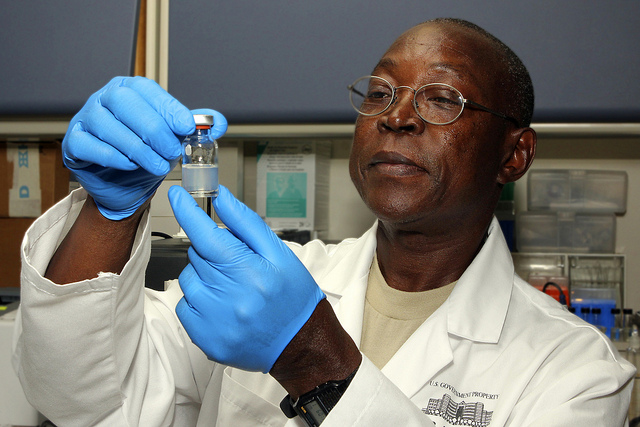
UNCTAD Forum: Local Drug Manufacturing A Key To Universal Health Coverage

Local production of medicines in developing countries is key to advancing universal health coverage, but other factors need to be considered, such as the involvement of all stakeholders and policy coherence in governments, according to speakers attending the World Investment Forum this week. Several speakers called for a paradigm shift in global health.

EU Legislation On Nagoya Protocol Becomes Effective; What Effect On Indigenous Peoples’ Rights?

The entry into force of an international treaty facilitating access to genetic resources and ensuring the fair sharing of potential commercial benefits has prompted the applicability of a European Union regulation relating to the treaty. This led a researcher to call on the treaty members to ensure its implementation protects the rights of indigenous and local communities.

WTO Director General Wants To Put Human Dimension In WTO Work

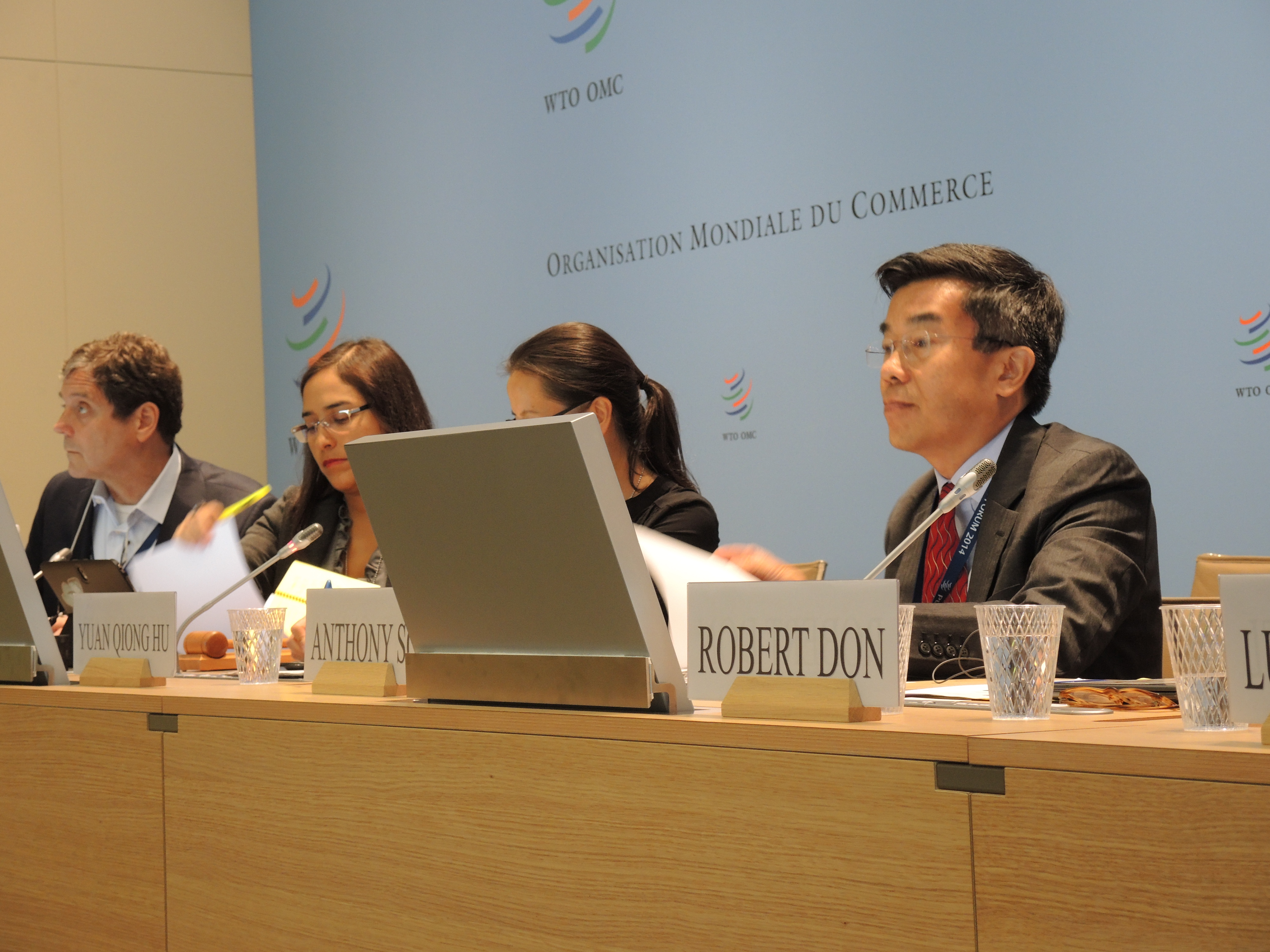
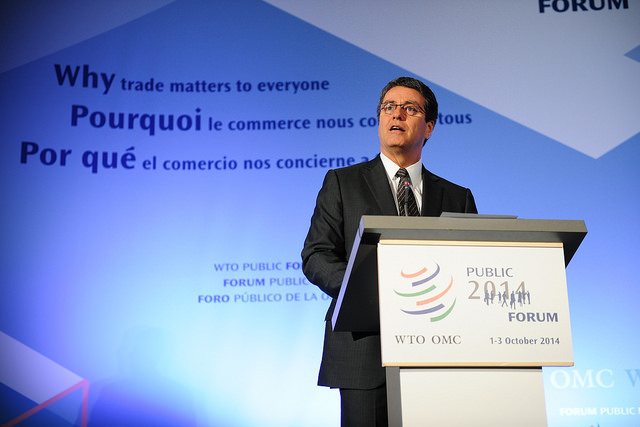
The World Trade Organization Director General Roberto Azevêdo opened the 2014 WTO Public Forum by saying trade is essential but the international trade system should provide a seat for everyone at the table. United Nations Secretary General Ban Ki-Moon also insisted on the importance of a development-oriented international trade system.