Category Human Rights

‘Damaging’ Provisions On IP Dropped From TPP Agreement, MSF Says
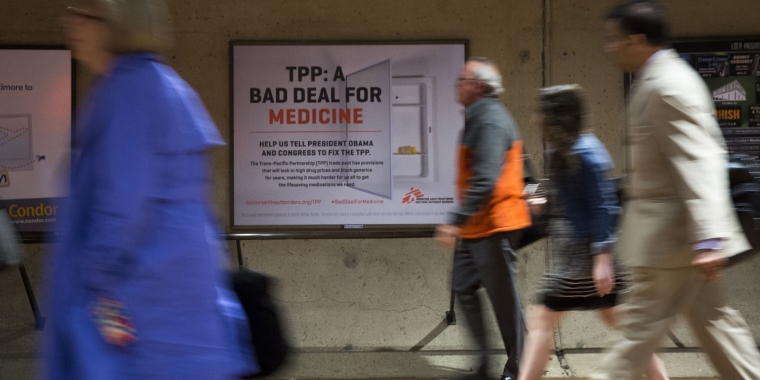
Trade ministers negotiating the Trans-Pacific Partnership (TPP) without the United States have dropped many problematic provisions related to intellectual property and health, Médicins Sans Frontières (MSF, Doctors Without Borders) reported today. Also removed from the agreement appears to be the investor-state dispute settlement provisions, according to a source.

New Draft Action Plans On Copyright Limitations And Exceptions At WIPO

The World Intellectual Property Organization has grasped the nettle after years of discussion on the issue of limitations and exceptions to copyright, and provided draft action plans, one each for libraries, archives, museums, educational research institutions, and persons with other disabilities than sight impairment. The plans, being discussed in this week's committee meeting, include brainstorming sessions, studies, and regional seminars, and conferences to advance understanding and issues related to copyright for those particular actors.

Next Global Congress On IP And The Public Interest

American University Washington College of Law (AUWCL) Program on Information Justice and Intellectual Property has announced the hosting of Fifth Global Congress on Intellectual Property and the Public Interest, from 27-29 September 2018. And it is now actively seeking sponsors, partners and expressions of interest.

WIPO Vaccines Report Contestable, With UN High-Level Panel Misquoted, Advocate Says

The World Intellectual Property Organization this week held an event that delved into research, markets and access for vaccines with panels that showed unusual breadth of representation for the UN IP agency. But health advocates have taken issue with the wording of a report released by WIPO at the event.

Hepatitis C Buyers’ Clubs Grow Worldwide As A Way To Obtain Affordable Treatment

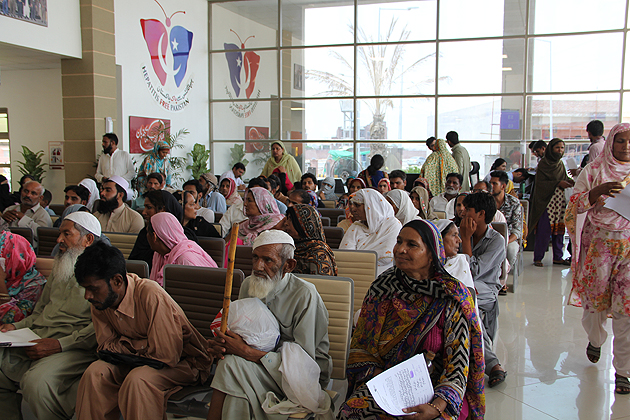
Hidden amongst the thousands of Facebook pages given over to holiday snaps and gossip are groups of patients who have hepatitis C, a disease that affects more than 70 million worldwide and kills around 400,000 people a year. But importantly, these groups of patients from Russia to Australia have got together to help each other import a relatively new class of drug that is able to cure most of the patients who take it.

Retail Giant Amazon Faces Pushback Over .Amazon Geographic Domain At ICANN Annual Meeting

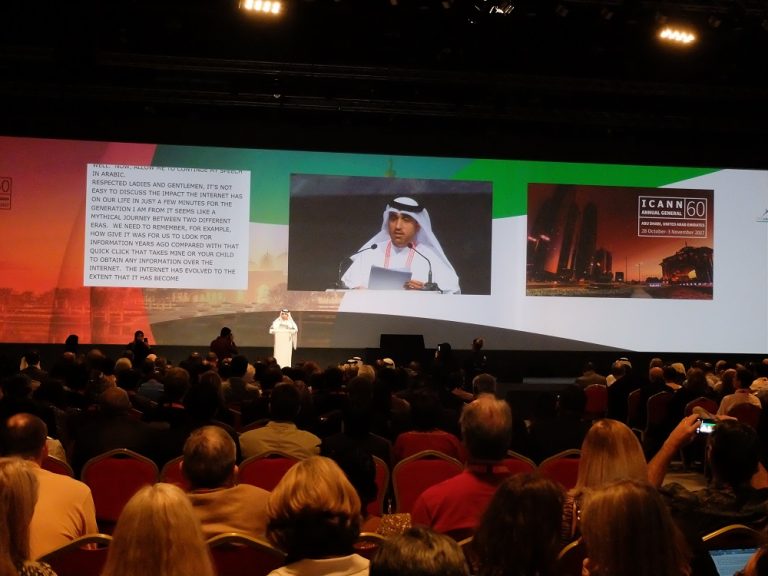
ABU DHABI, UAE -- Government representatives from several countries in the Amazonas region clashed with a team of lawyers and communication officers of the global retailer Amazon over the top-level domain .amazon during the Annual Meeting of the Internet Corporation For Assigned Names Numbers (ICANN) in Abu Dhabi today.

UNCTAD Shows Role As Convenor On Investment In Antimicrobial Resistance

The United Nations Conference on Trade and Development (UNCTAD) this month gathered a wide range of key stakeholders to have a frank discussion about how to solve rising global resistance to existing antibiotics. While not a negotiation, stakeholders in the expert group opened up and shared perspectives, leading to some informal conclusions. Among them: more public and private investment, and a shift in the R&D system to new-style incentives, are needed.

Health Group Challenges Gilead Patents In The US On Grounds Of Lack Of Novelty

A health advocacy group today announced that it has challenged a set of United States patents for a hepatitis C medicine. The group says drug maker Gilead Sciences has obtained unmerited patents for sofosbuvir, blocking millions of US patients from affordable treatment.

Consultation On Future Of WHO Pandemic Flu Programme To Look At Seasonal Viruses, Genetic Information

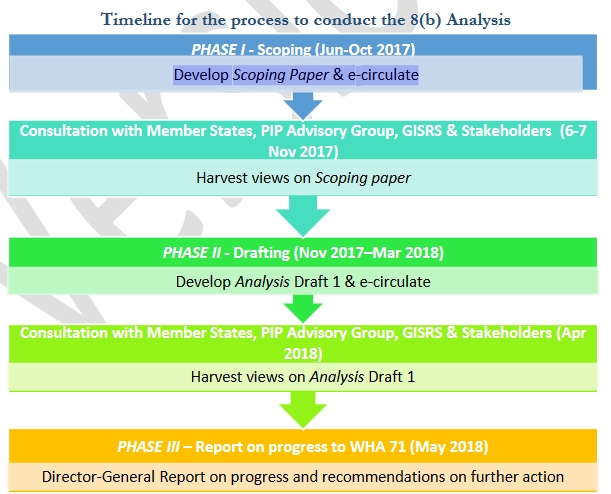
The World Health Organization mechanism to prepare the world for the next influenza pandemic is pondering its future and possible improvements. Among them are its extension to seasonal influenza, and the inclusion of genetic virus information along with biological samples to keep pace with technological developments. Member states and stakeholders (except the media) have been invited by the WHO to a consultation next month to discuss an analysis showing the potential beneficial or deleterious effects of the suggested changes to the system.