Category Human Rights

At Geneva Health Forum: Importance Of High Quality Of Health Systems, Beyond Access
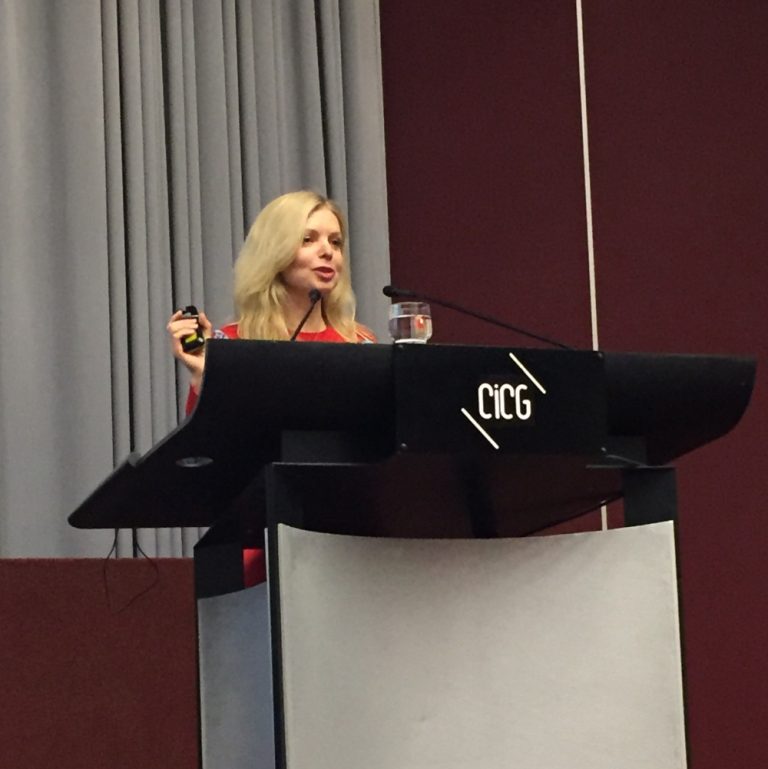
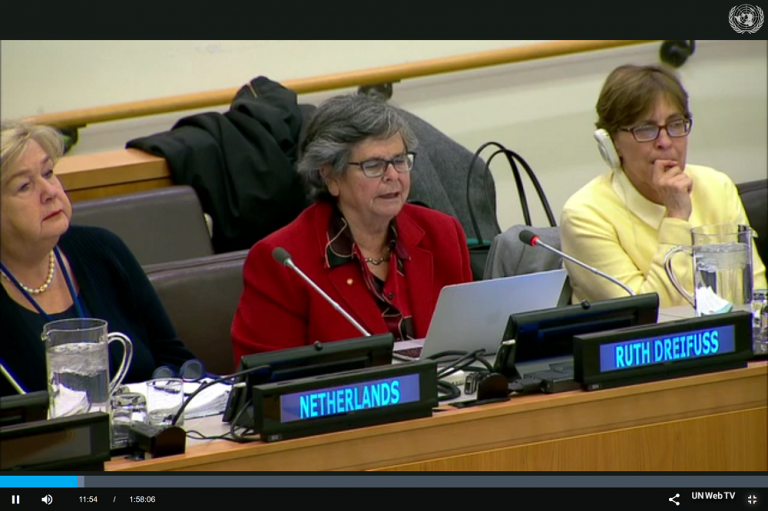
Achieving a high percentage of universal health coverage often does not translate into a high quality of health systems, according to speakers at the opening of the Geneva Health Forum. While in developed countries people are demanding better quality, the expectations of people living in low and middle-income countries need to be raised, they said. Another panel looked at the use of big data and mathematical modelling as ways to improve health systems, including Facebook monitoring.


Ending Unauthorised Access To Genetic Resources (aka Biopiracy): Bounded Openness

“Access to genetic resources” and “the fair and equitable sharing of benefits arising from their utilization” have beleaguered all thirteen Conferences of the Parties to the 1993 United Nations Convention on Biological Diversity (CBD), a group of academics writes. The expression in quotes constitutes the third objective of the Convention and is intertwined with the first two, conservation and sustainable use. It goes by the acronym “ABS”. Despite 25 years of efforts and an annual bio-economy of nearly one trillion dollars, few contracts have ever been concluded. And of those very few, the monetary benefits are so low that contracting parties are loathe to disclose them. The “Brazilian ABS Law” of 2015, which came into effect on 6 November 2017, even allows royalties on net sales to be as low as one tenth of one percent. In the words of one distinguished legal scholar, Users are paying “peanuts for biodiversity.”

Better Cyber Security Problematic, Says US Financial Industry: Power Struggle Over Encryption

A decision to keep third party listeners out of communications on the internet taken by the Internet Engineering Task Force (IETF) at their recent meeting in London elicited an alarmist message from the US financial industry. The premier internet standardisation body would provide “privacy for crooks,” and practically prohibit “bank security guards from patrolling and checking particular rooms” online, BITS, the technology division of the Financial Services Roundtable, argued in a press release last week. Has standardisation gone rogue?

UAEM Students Launch Campaign To Drop Publicly Funded Patent Claim On Cancer Drug In India

The Universities Allied for Essential Medicines (UAEM) this week launched a campaign to ask the University of California to drop its pursuit of a patent on the prostrate cancer drug Xtandi in India in order to make it affordable for patients. Xtandi sells at "exorbitant" rates in the United States, they said, a seeming violation of the licensing guidelines of the publicly funded University of California system which guarantees an "appropriate" return on taxpayer investments.

UN Member States Briefed On Innovation And Access To Health Technologies

NEW YORK -- A major event on innovation and access to health technologies took place at the United Nations in New York last week, in which UN member states were briefed on ideas and efforts to promote these issues at the forefront of global health policy.

Sir John Sulston, Human Genome Project Leader, Remembered For Words On IP And Health R&D

Nobel Prize winner Sir John Sulston passed away on 6 March at the age of 75, and was widely remembered in the press and scientific circles, celebrating his research, his wisdom, and his leadership of the landmark Human Genome Project. Intellectual Property Watch recalls his visionary warning and advice a decade ago about the intellectual property system, investment, and science that is still valuable today.

WHO: Access To Hepatitis C Treatment Increasing, But Most Patients Undiagnosed

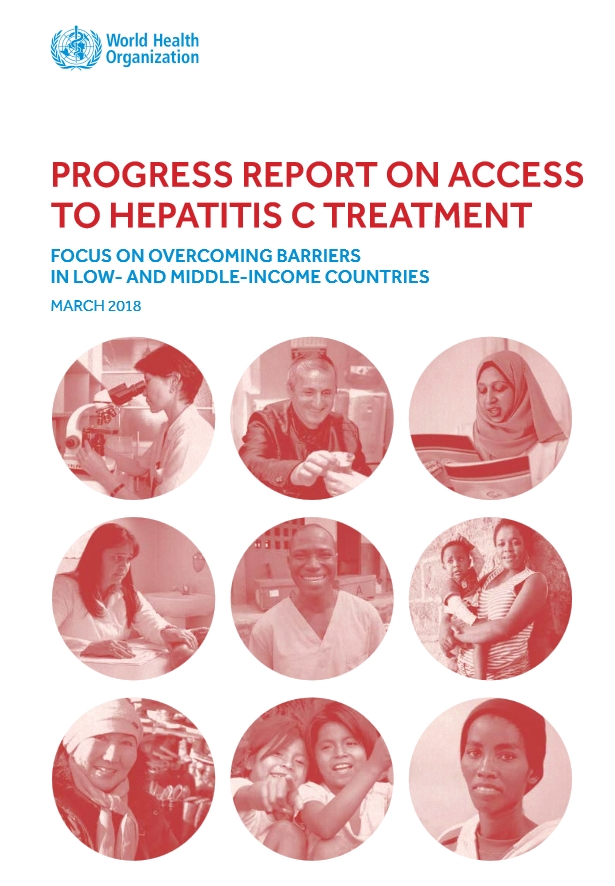
Access to hepatitis C treatments is increasing, so are therapeutic options, but most of those living with the disease are not diagnosed and thus remain untreated, the World Health Organization found in a new report. Upper-middle income and high-income countries continue to pay high prices, impeding equitable access, and those countries which have been most successful in increasing access have mobilised a strong government response, the report found.

Council Of Europe Adopts Guidelines On Role Of Internet Intermediaries

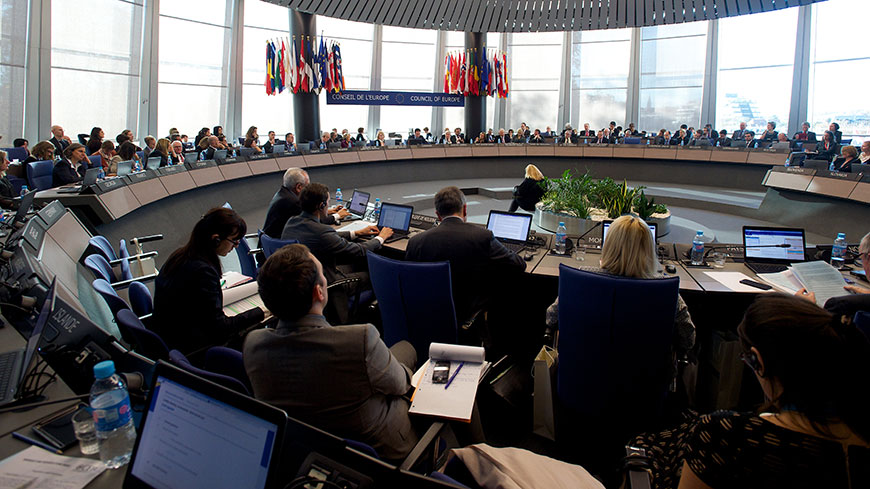
The Council of Europe today adopted a set of recommendations containing some 60 detailed obligations and suggestions for governments to ensure internet intermediaries, such as search engines and social media, uphold human rights and fundamental freedoms online.

UN Rapporteur For Privacy Rebuffed On Surveillance Oversight Negotiations

The United States, China and the European Union were unanimous yesterday in their rejection of international consultations for a possible legal instrument on government-led surveillance and privacy. During the 19th meeting of the 37th session of the UN Human Rights Council in Geneva, they called a possible legal instrument against uncontrolled cross-border surveillance proposed by the UN Special Rapporteur on Privacy, Joseph Cannataci, “unnecessary.” But Cannataci responded that the problems cannot be ignored.