Category Health & IP

Ottiglio Leaves IFPMA For Consultancy In Geneva

Mario Ottiglio is stepping down as director of public affairs, communications & global health policy at the International Federation of Pharmaceutical Manufacturers in Geneva. He will be staying in Geneva as the managing director of the new office of the High Lantern Group, a US consulting firm.
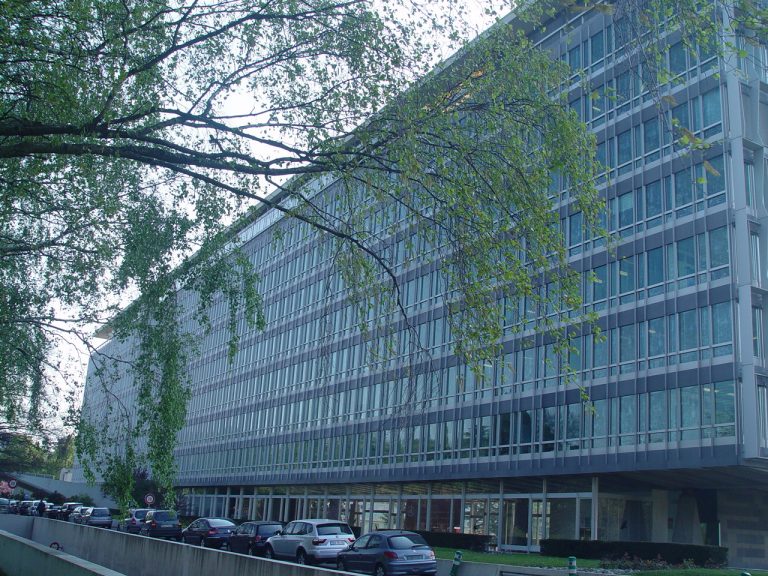
Proposal By WHO To Increase Country Contributions Receives Mixed Reactions

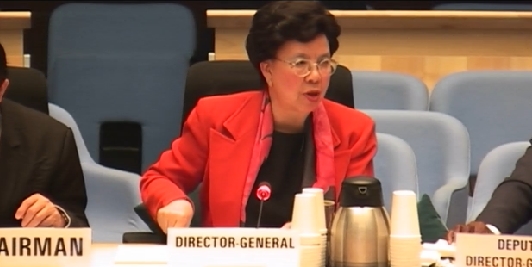
As the head of the World Health Organization warned of funding shortfalls at this week’s financing dialogue, she also proposed to raise assessed country contributions by 10 percent to help mitigate the situation. However, countries had a different take on the suggestion, which is expected to be further considered in the discussions on the budget for 2018/2019, at the Executive Board meeting in January, and at the annual World Health Assembly next May.

Brazil, China, India, South Africa Put UN High-Level Panel On Medicines Access On TRIPS Council Agenda

For next week's World Trade Organization intellectual property committee meeting, the major developing economies have submitted a request to discuss the recently released report of the United Nations Secretary General's High-Level Panel on Access to Medicines, according to Knowledge Ecology International (KEI). A key element of the UN report was to make it harder for countries deter or discourage other countries from trying to use patent flexibilities built into the WTO Agreement on Trade-Related Aspects of Intellectual Property Rights (TRIPS) - something the major developing economies have been discouraged from doing in the past.

Chan Issues Clarion Call For Increased WHO Funding

World Health Organization Director General Margaret Chan today warned of serious funding shortfalls for the current biennium endangering the implementation of certain programmes. Areas most in need of financing include non-communicable diseases (such as cancer, diabetes and cardiovascular diseases), food security, and antimicrobial resistance. The high-profile Health Emergencies Programme is also underfunded and Chan proposed to ask countries to raise their assessed contributions at the next World Health Assembly.

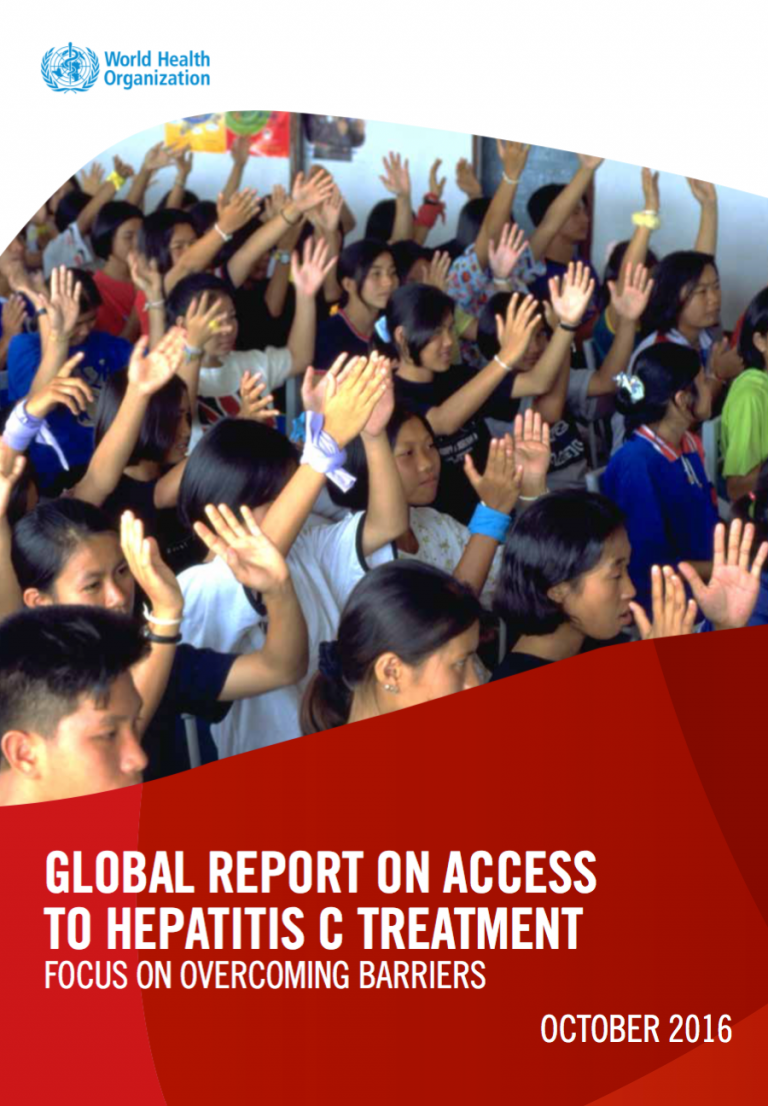
WHO: More Hepatitis C Patients Being Treated In Developing Countries; Price Still An Issue

Innovations in medicine bring the hope of cure for millions of patients who can access them. When a novel effective hepatitis C drug was put on the market at very high prices, concerns erupted about access in both developing and developed countries. A new report by the World Health Organization found that over one million people have received new treatment for hepatitis C in developing countries. The report, which targets high prices as a major barrier to access to treatment, also compiles ways countries have overcome the access barriers.

Protecting Online Access To Safe And Affordable Medication

High drug prices are a global public health crisis. This is mostly the case among lower income countries but also for citizens and residents in the US, where tens of millions are not filling prescriptions due to cost. The international online marketplace is a much-needed lifeline for consumers who cannot afford prescription medication where they live. People deserve the widest possible access to safe and affordable medication, including online access, and the Internet community can help, says Gabriel Levitt.

Antimicrobial Resistance Needs Research, Regulation, Speakers Say

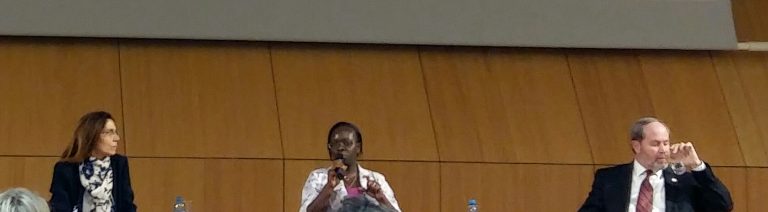
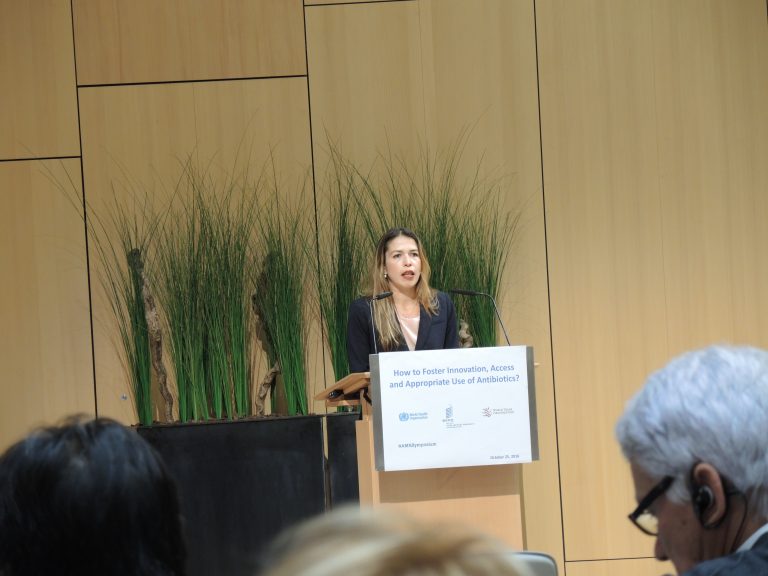
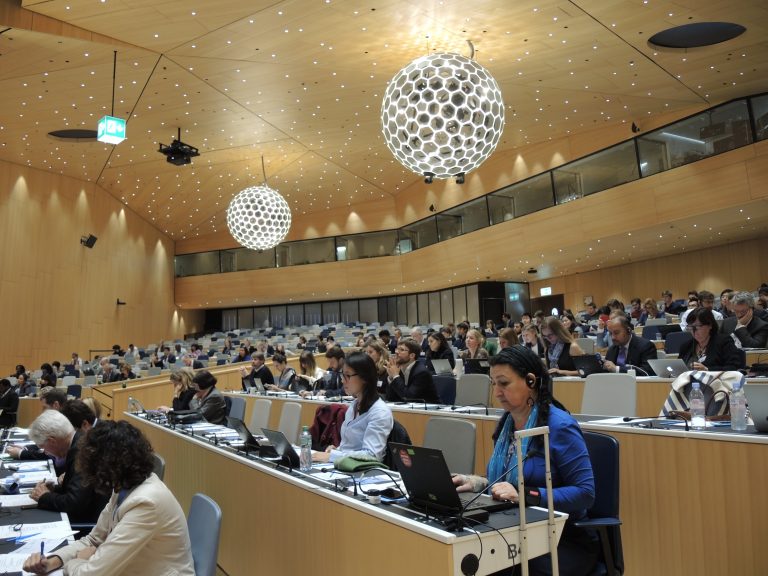
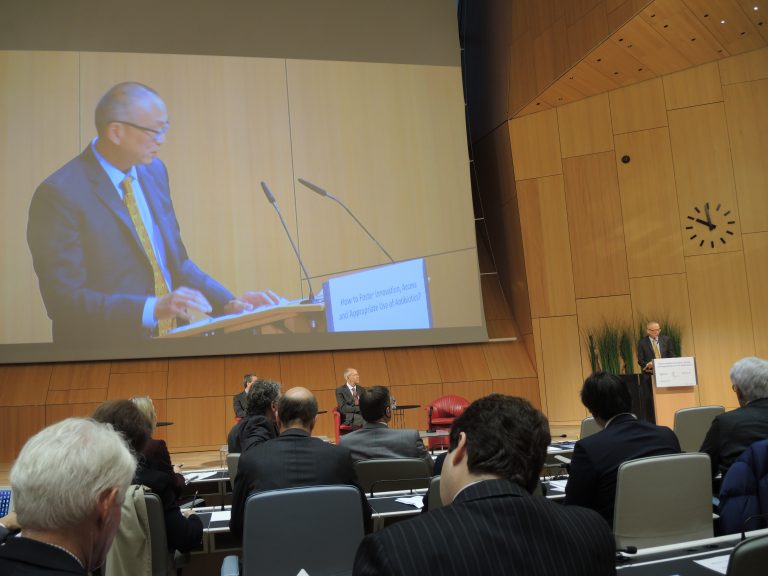
The issue of antimicrobial resistance has been in the spotlight in recent months as a growing awareness of the threat it represents for humanity has pushed discussions at the multilateral level. This week, the World Health Organization, World Intellectual Property Organization and World Trade Organization organised a symposium on the subject. Speakers discussed needs and potential solutions.

‘WHO Is Not Just Seeking To Be A Firefighter’ – Peter Salama On Reform And Emergency Response At The UN Health Agency

Under its new health emergencies program, the World Health Organization is setting up an improved structure for global health emergencies like the Ebola outbreak. But the UN agency is also opening itself up to a role as partnership broker to ensure the world has what it needs when the emergencies arise. And in doing so, WHO is trying to ensure that it remains the central player in global policy discussions and is not just an emergency response unit.

WHO, WTO, WIPO Put Their Collective Mind To Antibiotic Resistance Calamity

Resistance to antibiotics by bacteria has been steadily growing and is now considered as a major threat to global public health, with some catastrophic projections of millions of death and billions of dollars in economic impact. The World Trade Organization, World Health Organization and World Intellectual Property Organization today are holding a joint technical symposium on antimicrobial resistance, and how to encourage innovation, appropriate use of antibiotics, and wide access to treatments and diagnostics.