WHO Launches Public Consultation On Blueprint Material Transfer Agreement
The World Health Organization has launched a public consultation on the Draft Research and Development Blueprint Material Transfer Agreement tool text.

Original news and analysis on international IP policy
The World Health Organization has launched a public consultation on the Draft Research and Development Blueprint Material Transfer Agreement tool text.

Pursuant to a license negotiated by the Medicines Patent Pool (MPP) with ViiV Healthcare (ViiV), an important new antiretroviral medicine, dolutegravir (DTG), will soon be available via generic competition in all low- and lower-middle-income countries, and a significant number of upper-middle-income countries as well. DTG is a highly recommended integrase inhibitor which highly effective, durable, inexpensive to produce, and relatively safe with few side effects. It is already an alternative WHO recommended first-line medicine and will probably become the global standard of care following trials on use of DTG to treat pregnant women and people with TB.[1] But until the MPP can succeed in getting inclusive licensing terms covering all low- and middle-income countries (LMICs), this unique clause in the MPP-ViiV license should be adopted in future licenses, as it is a best practice to date in terms of expansive coverage, writes Brook Baker.
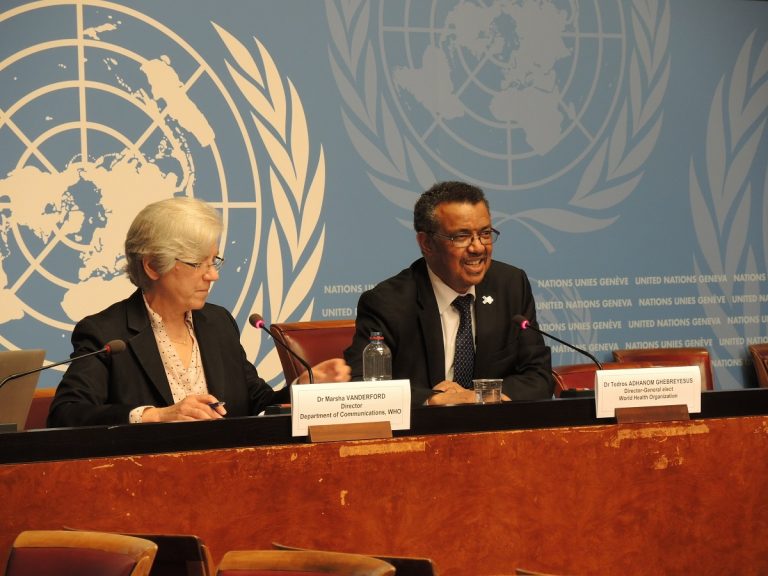
In his first meeting with the United Nations press corps the morning after his historic election as the next director general of the World Health Organization, Tedros Adhanom Ghebreyesus began to unfold his vision for the organisation and fended off questions about the United States budget by saying WHO has to diversify its funding base. He also signaled a variety of possible issues to come such as increased assessments on governments, and consideration of the recommendations of a recent UN report on access to medicines.

A new draft decision submitted this week at the World Health Assembly (WHA) by a group of countries would set out further actions to analyse the Pandemic Influenza Preparedness (PIP) Framework.
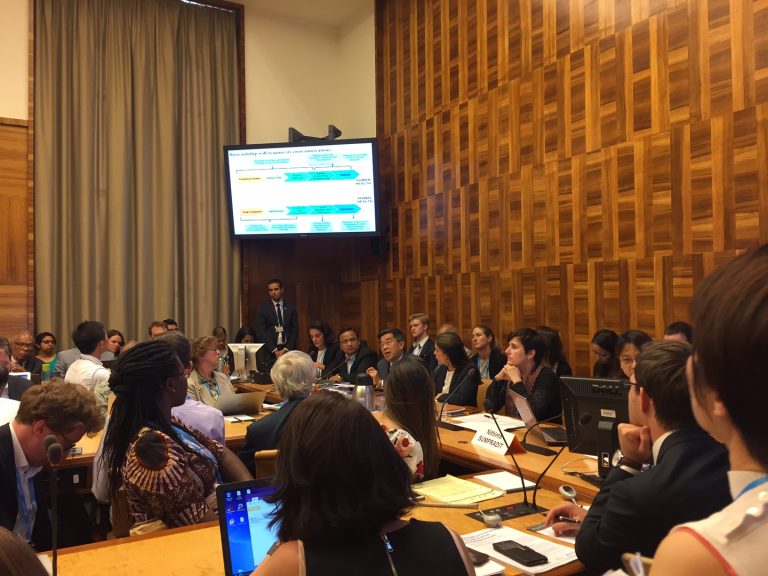
A group of non-governmental organisations organised a side event to the World Health Assembly to discuss the growing issue of antimicrobial resistance, the way to incentivise research and development for new antibiotics, and the imperative of affordability and accessibility of new products. The speakers mentioned alternative models, such as delinking the cost of research from the price of the medicines, underlined the high prices of vaccines, and the importance of systems of infection prevention and control.
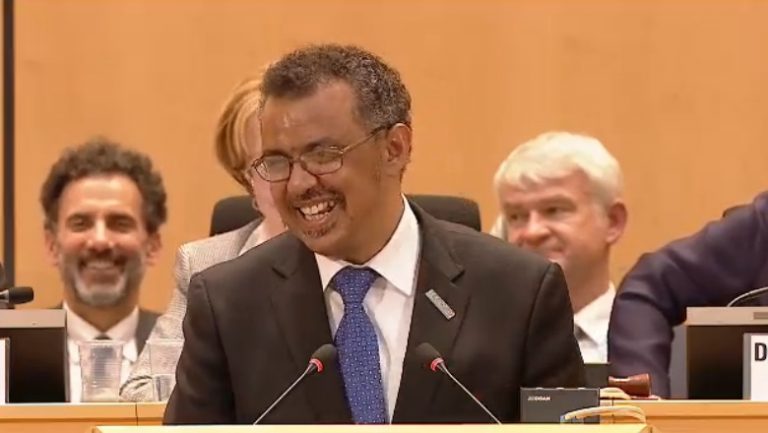
In a novel election process for the first time involving the full organisation membership, Tedros Adhanom Ghebreyesus of Ethiopia this evening was elected as the next director general of the World Health Organization, becoming the first official from Africa to be chosen to head the United Nations health agency.
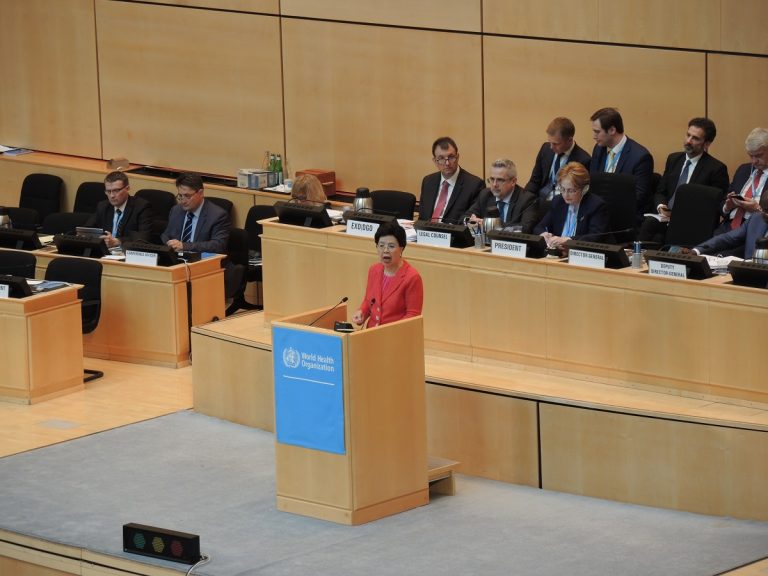
In her final opening speech to the annual World Health Assembly, Director General Margaret Chan today underlined progress made and left to make, and highlighted access to medicines as the most contentious issue of her decade of service. She stressed the importance of innovation, and investment in health, acknowledged the necessity of partners such as the private sector and civil society, and encouraged scientific evidence in decision making. And she focussed strongly on global security and health emergencies.
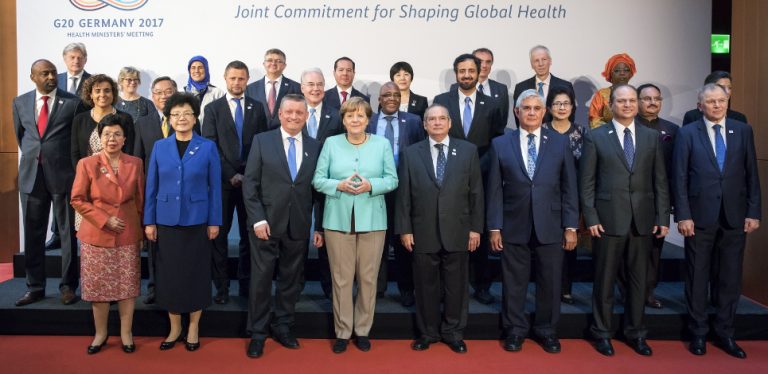
Group of 20 health ministers today finished their first joint table top exercise to simulate the outbreak of a new deadly viral pandemic in “Anycountry” and passed a seven-page final resolution on pandemic preparedness and antimicrobial resistance. Non-governmental experts and health organizations welcomed the first ever meeting of health ministers in the G20 format, but see a risk of framing the debate from a global North security perspective. And despite a call of urgency with regard to antimicrobial resistance, the G20 could not agree to include the de-linking of the cost of investment in R&D from the price of medical products.
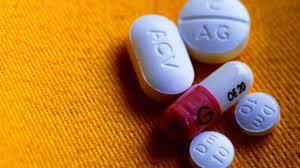
According to sources, countries have agreed in the nick of time on a draft resolution on cancer prevention, control, and access to cancer medicines, and in particular the price of new cancer medicines, to be examined at the World Health Assembly next week.
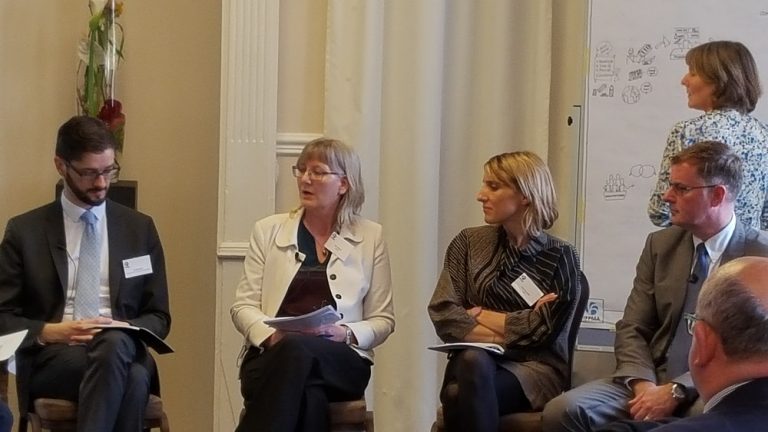
Shortages of vaccines are a worldwide problem with tremendous impact on health, affecting countries of all income groups and regions, speakers said at a recent industry event. Different possible solutions for shortages of vaccines were suggested during the panel discussion.