Category Health & IP

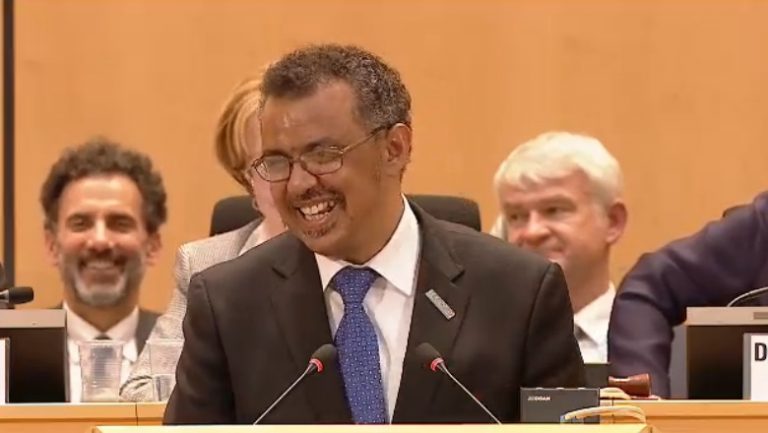
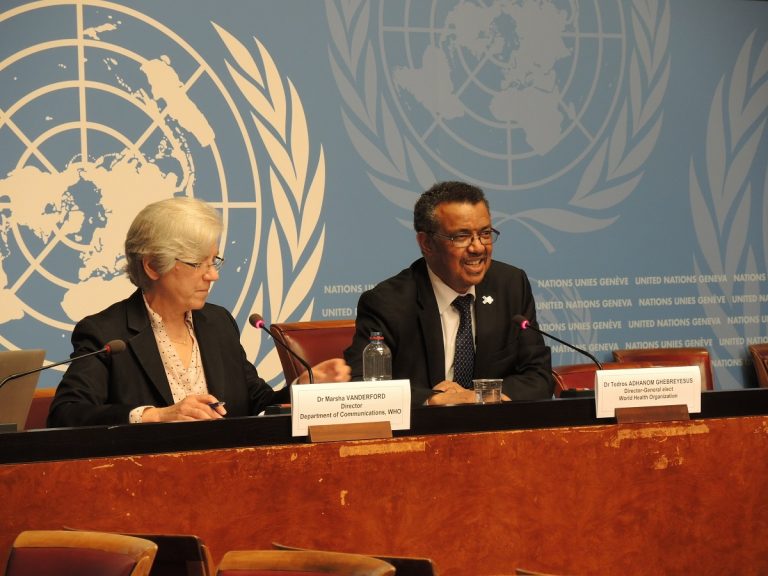
Tedros Warms Up To Press In First Meeting, Sees Clear Mandate In “Landslide” Victory

In his first meeting with the United Nations press corps the morning after his historic election as the next director general of the World Health Organization, Tedros Adhanom Ghebreyesus began to unfold his vision for the organisation and fended off questions about the United States budget by saying WHO has to diversify its funding base. He also signaled a variety of possible issues to come such as increased assessments on governments, and consideration of the recommendations of a recent UN report on access to medicines.

Antimicrobial Resistance Needs New R&D Models, NGOs Say

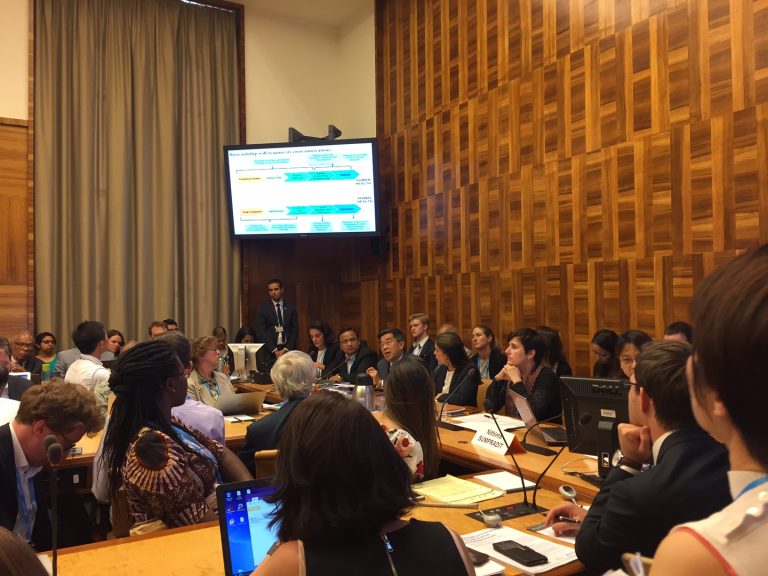
A group of non-governmental organisations organised a side event to the World Health Assembly to discuss the growing issue of antimicrobial resistance, the way to incentivise research and development for new antibiotics, and the imperative of affordability and accessibility of new products. The speakers mentioned alternative models, such as delinking the cost of research from the price of the medicines, underlined the high prices of vaccines, and the importance of systems of infection prevention and control.

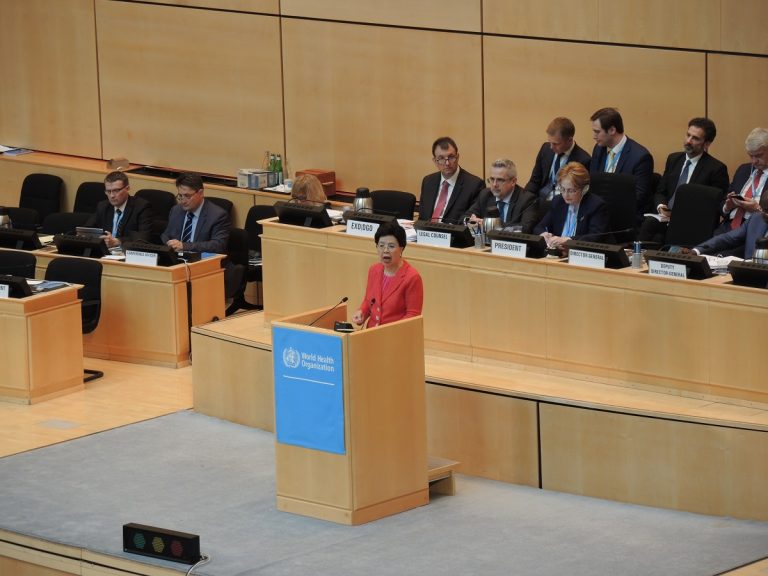
Chan’s Last Speech To WHA Opening: Affordable Medicines, Innovation, Listen To Civil Society, Partner With Industry

In her final opening speech to the annual World Health Assembly, Director General Margaret Chan today underlined progress made and left to make, and highlighted access to medicines as the most contentious issue of her decade of service. She stressed the importance of innovation, and investment in health, acknowledged the necessity of partners such as the private sector and civil society, and encouraged scientific evidence in decision making. And she focussed strongly on global security and health emergencies.

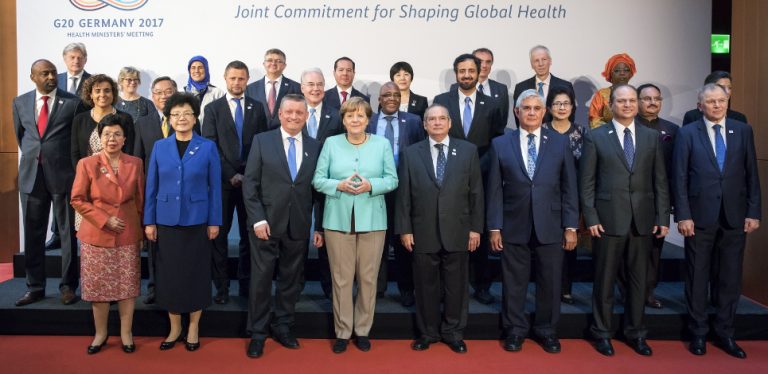
No Free Lunch, G20 Health Ministers Find At First Meeting

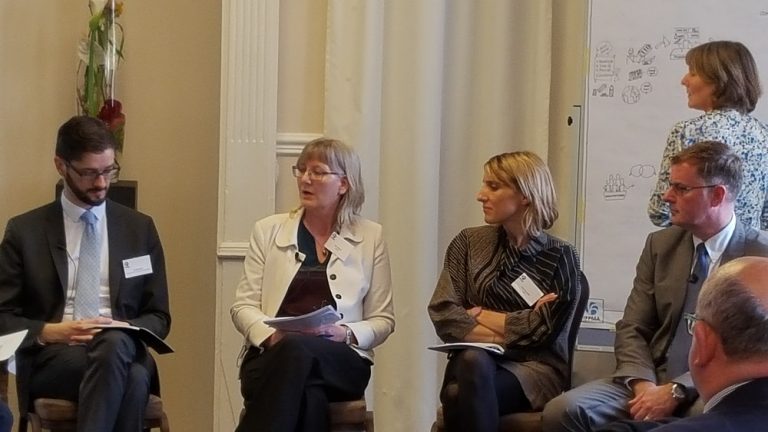
Group of 20 health ministers today finished their first joint table top exercise to simulate the outbreak of a new deadly viral pandemic in “Anycountry” and passed a seven-page final resolution on pandemic preparedness and antimicrobial resistance. Non-governmental experts and health organizations welcomed the first ever meeting of health ministers in the G20 format, but see a risk of framing the debate from a global North security perspective. And despite a call of urgency with regard to antimicrobial resistance, the G20 could not agree to include the de-linking of the cost of investment in R&D from the price of medical products.

March-in Rights: A Lost Opportunity To Lower US Drug Prices

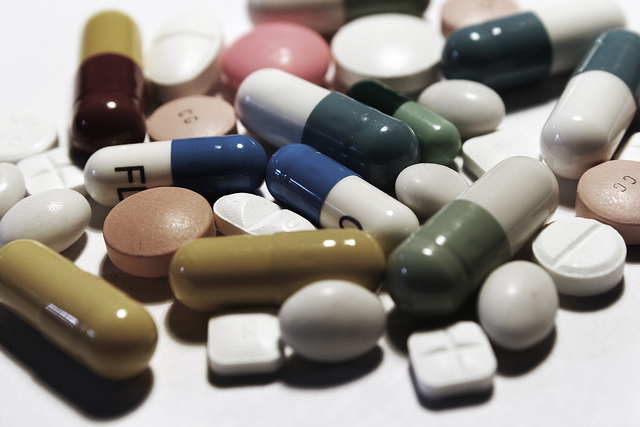
It appears not just unfair, but absurdly so. The US government paid for research that produced a patented drug, the patents were licensed exclusively to a Japanese firm, and that firm is now committing price discrimination against the US. Astellas Pharma is selling its anti-prostate cancer drug, Xtandi, for over $129,000 per year per patient in the United States – triple the price of the drug in Japan. Alas, this situation is not unusual. Many drugs that were financed by US taxpayers are sold in the US at exorbitant prices, but are much cheaper in other high-income industrialized nations. This differential price problem could be solved easily. However, the US government has consistently refused to exercise its march-in rights in order to lower drug prices.