Category Finance

WIPO GI System To Become More Expensive For Users; US Questions Administration
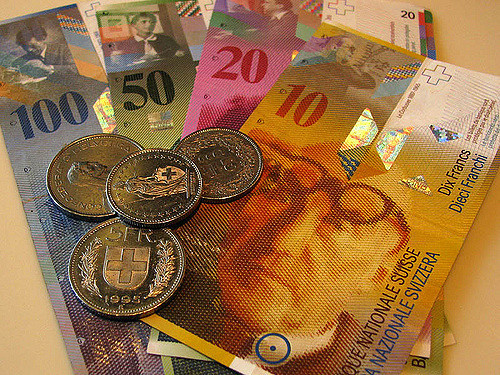
Last year, amid protests from some World Intellectual Property Organization members, a new treaty was adopted to protect geographical indications, broadening an existing treaty. One of the objections of some was that the existing treaty was not financially sustainable, and was piggybacking on other WIPO income-generating treaties. Last week, members of the treaty went over possible solutions to bring money into the system. Italy and France, the biggest beneficiaries, committed actual funds.
Rwanda Releases New Tariff Levels On IP, Signs UPOV 91 Biotech Rules

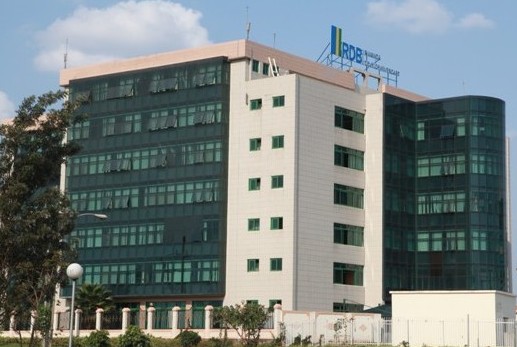
The government of Rwanda has revised the fees and cost to be paid for the registration of different categories of intellectual property rights. The changes mean lower fees for all types of IP rights, and gives more time to oppose registrations. Rwanda also enacted a law on seeds and plant varieties.

Q&A With Erich Spangenberg On Patents And Drug Prices

Prices for drugs have long been a problem for developing countries but now have become out of reach for many in developed countries, sparking policy debates and efforts to address it. One of the top figures in the patent monetization business, industry maverick Erich Spangenberg offers a lively opinion on the underlying problem and how to fix it. To start? Stop granting patent extensions for minor changes.

WHO-Led Study: Hepatitis C Treatment Unaffordable Globally, Threatens Health Systems

According to a new study by experts at the World Health Organization, prices of hepatitis C treatments are unaffordable globally and put a major strain on national health systems. Hepatitis C can cause liver cirrhosis and cancer, and with an estimated 80 million people affected in the world, if untreated, the sickness could lead to 700,000 deaths per year worldwide, the study said, suggesting that governments and industry stakeholders should develop and implement fair pricing frameworks.

WHA Gets First UN Framework Managing Non-State Actors; Countries Satisfied, Actors Concerned

The first agreement on how to manage relationships between a United Nations organisation and non-governmental actors, such as industry, philanthropic organisations and public interest groups, was adopted on 28 May by the World Health Assembly. The framework, which had been discussed for several years, was hailed as historic by many countries, but met a mixed reaction from those primarily concerned.

WHO Drafting Group Agrees Resolution On Health R&D

A closed-door drafting group this evening arrived seemingly easily at agreement on a resolution on broadening work on new ways to fund research and development into medical products, according to participants. The agreement includes the creation of a new expert committee on health R&D, and asks for a WHO proposal on a pooled fund, they said. [Update: draft text now available]

Global Health In The Glare In G7 Final Resolutions; Trade Deals Promised For 2016

Reform of the WHO, support for the Contingency Fund for Emergency to enable swift initial responses by the WHO, and a special R&D and innovation chapter in the G7 Ise-Shima Vision for Global Health that does not include the word intellectual property are some of the notables after the G7 Summit closed today in Japan. Counting pages, Global Health and lessons from the recent Ebola and Zika outbreaks did receive the biggest attention. But the G7 would not be its old usual without considerable warnings and some concrete proposals how to fight global terrorism and violent extremism.