Category Finance

Copyright Skirmishes From The European Snippet War

A new European Union ancillary copyright provision for news publishers will help them against news aggregators and platform providers, promised proponents and two panellists favouring the addition of the EU Copyright Reform at a workshop of the Justice Committee (JURI) of the European Parliament in Brussels today (7 December). But it’s a promise that cannot be kept according to a study commissioned by the Parliament and also presented during a feisty discussion at the workshop.
Global Patents Soar Again As China Tops Patent, Trademark, Design Filings

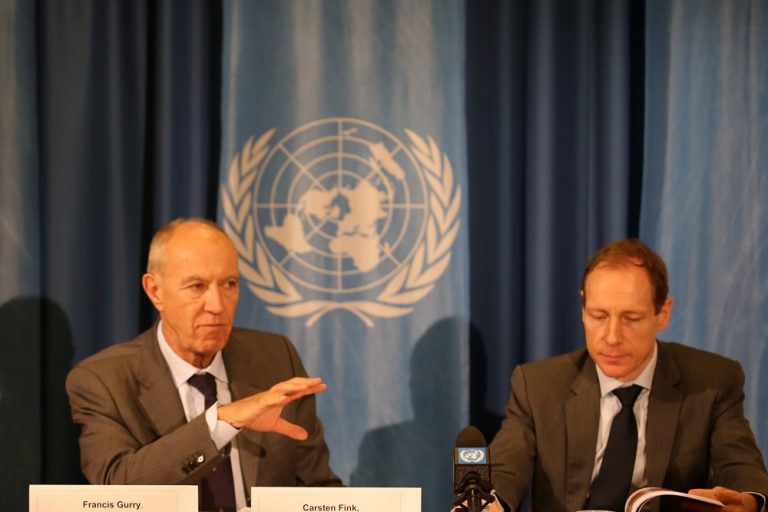
Innovators around the world filed 3.1 million patent applications in 2016, up 8.3 percent in a seventh straight yearly increase, WIPO’s annual World Intellectual Property Indicators (WIPI) report shows. The report, WIPO’s annual report, released at the United Nations in Geneva today, showed China topping patent, trademark and design filings in 2016.

EU-MERCOSUR FTA Puts At Risk Access To Medicines In Brazil, New Impact Assessment Study Finds

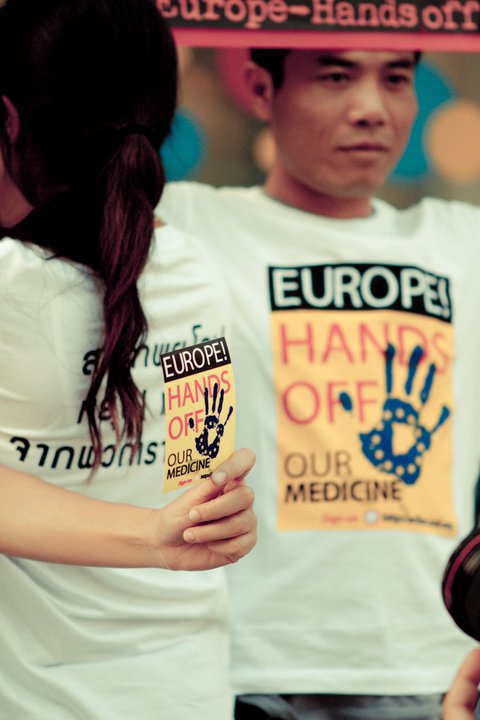
The European Union (EU) is currently negotiating a free trade agreement (FTA) with the four founding members of Mercosur (Argentina, Brazil, Paraguay and Uruguay), which comprises a chapter on intellectual property rights (IPR). A new round of negotiations is taking place from November 29th to December 8th in Brussels[1]. Word is that they aim to announce the closure of the agreement at the next World Trade Organization (WTO) Ministerial Conference that will be held from 10-13 of December in Buenos Aires and the clock is ticking to close all the chapters before that. The authors have conducted a study that shows the adoption of the measures proposed by the EU could put the sustainability of access to health policies in Brazil at risk, as they could sharply increase public expenditures on medicines.

EPO: New Employment Rules Roil Staff; Management Responds On Demand For More Productivity

Outgoing European Patent Office President Benoȋt Battistelli has proposed a new “employment framework” that includes fixed-term contracts for patent examiners, reigniting anger among staff members already in a tense relationship with management. There is also concern that Battistelli’s apparent push – which the EPO denies - for more products (defined as prior art searches and proposals for patent grants) is hurting patent quality.

‘The WHO Does Not Have A Board’: New WHO Director Pushes To Make Agency More Efficient

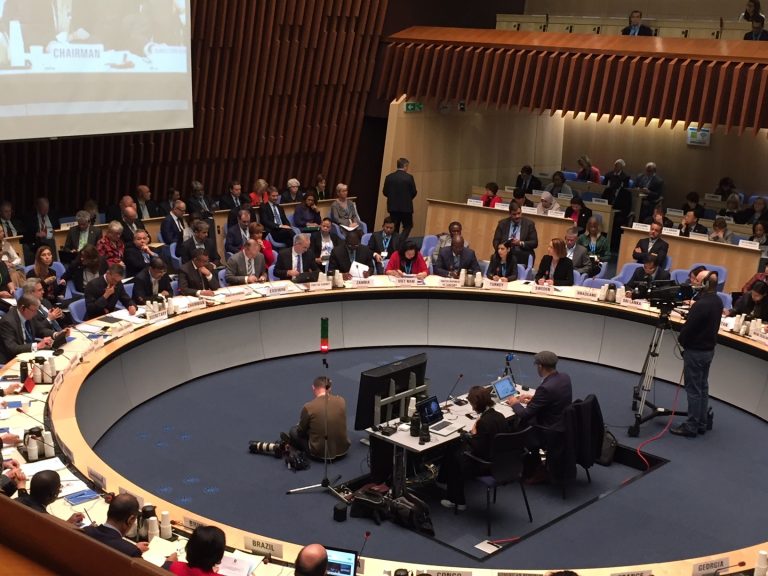
World Health Organization Director General Tedros Adhanom Ghebreyesus (Tedros) admonished member states at the close of this week’s special session of the WHO Executive Board charged with examining the agency’s draft work programme for 2019-2023. A trust deficit among member states leads to the multiplication of national statements, impeding efficiency, he said. Meanwhile, a number of countries called for affordable and accessible medicines, and help to manufacture generic medicines locally, while the United States pushed the role of the private sector.

WHO Members Delve Into Draft 5-Year Work Programme, Question Finance, Focus

World Health Organization member states’ first reactions to the secretariat-proposed draft work programme for the next five years were mixed this morning. Although many praised the effort and the vision of the programme of work, in particular its alignment with the United Nations Sustainable Development Goals, a number of countries found the programme ambitious without the needed financial backing, and sometimes straying from the core function of the organisation.

Artist Resale Right Does Not Seem To Affect Art Market, Economic Study At WIPO Says

A few days after a Leonardo da Vinci painting shattered the record for the most expensive artwork ever sold at Christie’s auction house in New York, the question of resale right for visual artists was discussed at the World Intellectual Property Organization. According to researchers, the establishment of a resale right in a particular country, which benefits the artist when her work is resold at a much higher value, is likely to have no negative effects on the country’s art market. The United States and China, the two largest global art markets, have not implemented the resale right yet.