Category Finance

Heads Of State At Davos’ Door: Trump, Modi, Macron, May

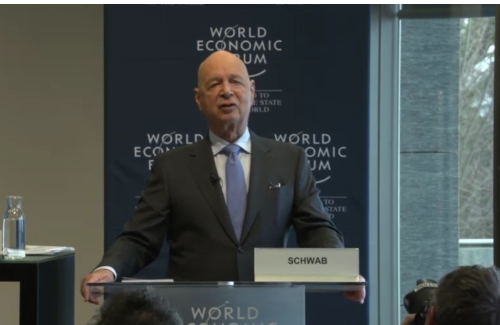
The World Economic Forum is meeting next week in Davos, with Indian Prime Minister Narenda Modi opening the forum, and US President Donald Trump closing it. One of the focuses of the annual meeting will be on finding ways to reaffirm international cooperation on common challenges, such as the environment and the global economy.

Guide To The WHO Executive Board: Access To Medicines, Noncommunicable Diseases, Non-State Actors

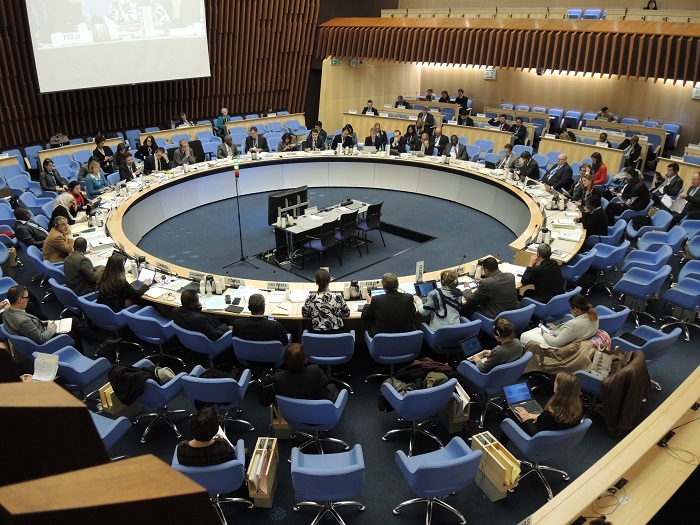
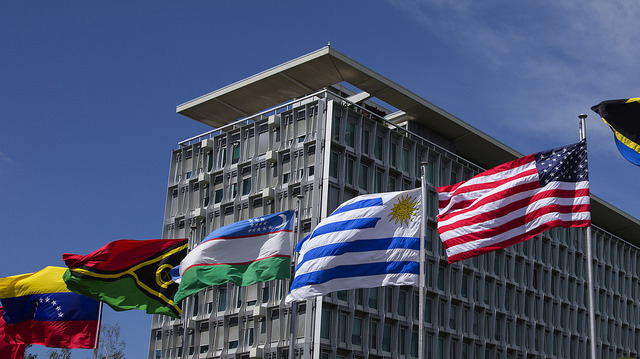
The World Health Organization Executive Board meets next week. On the agenda are recommendations of a review group on the WHO Global Strategy on Public Health, Innovation and Intellectual Property, and WHO proposed actions to increase access to affordable and safe medicines and diagnosis. The Executive Board is also expected to consider a report on noncommunicable diseases, new possible organisations to enter into official relationships with WHO, and how to address the global burden of snakebites, including access to treatment.

Blockchain-Related Patents On Exponential Rise, Lawyer Says. Targets? China, US, UK

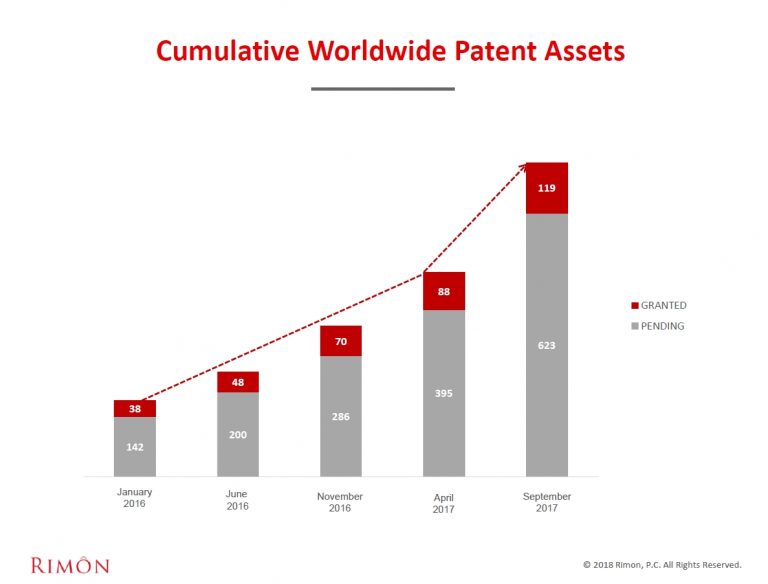
Patent applications related to blockchain technology are rising at exponential rate, according to a presentation given yesterday by a partner at United States law firm Rimon. Inventors are seeking intellectual property protection, bringing challenges into the blockchain ecosystem, such as infringement and patent trolls. He called for industry collaboration on IP, and the possibility of patent pools.

New Local Pharmaceutical Plant Expected To Enhance Access To Drugs In Kenya

Kenya’s pharmaceutical products manufacturing sector is hopeful it will experience significant growth after the Square Pharmaceuticals ltd (SPL) of Bangladesh commissioned a US$ 75 million plant in the East African nation this week. [A reminder: this story, like all of our stories, is completely free for almost every developing country in the world. Just sign up for a free password here!]

How International IP Policy Reconfigured National Politics: An Interview With Prof. Ken Shadlen

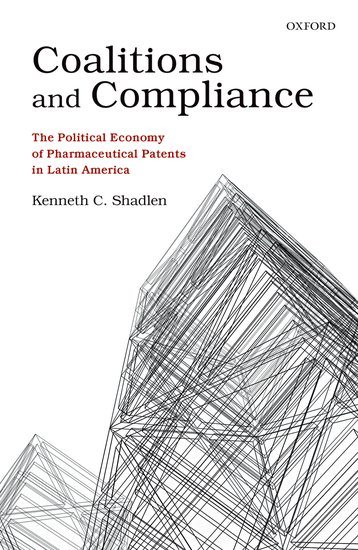
The recently published book Coalitions and Compliance by Professor Ken Shadlen of the London School of Economics examines how international changes can reconfigure domestic politics. Since the late 1980s, developing countries have been subject to intense pressures regarding intellectual property rights. These pressures have been exceptionally controversial in the area of pharmaceuticals. Historically, fearing the economic and social costs of providing private property rights over knowledge, developing countries did not allow drugs to be patented. Now they must do so, an obligation with significant implications for industrial development and public health. This book analyses different forms of compliance with this new imperative in Latin America, comparing the politics of pharmaceutical patenting in Argentina, Brazil, and Mexico. The book focuses on two periods of patent politics: initial conflicts over how to introduce drug patents, and then subsequent conflicts over how these new patent systems function. Intellectual Property Watch recently conducted a Q&A with Prof. Shadlen, which appears below.

US IP Law – A Look At The Year Ahead

In the coming year, one US Supreme Court case promises to dominate developments in America’s IP law. The upcoming decision in Oil States Energy Services v. Greene’s Energy Group could have major ramifications for patents, copyrights, trademarks, and the USPTO. But even as that case steals the limelight, 2018 could bring other significant changes to America’s IP law. Here are some of the key developments to watch for.

Year Ahead: US Music Sector Calls For Major Legislative Changes To Copyright In 2018

The music community is ramping up its efforts to have significant new copyright legislation approved by United States Congress in 2018, amid key changes in the legislative apparatus, with the elevation of Rep. Jerold Nadler (D-New York) as the Ranking Member of the House Judiciary Committee, a pivotal role that puts him at the heart of the US legislative system, and the retirement of the Committee's current Chairman, Bob Goodlatte (R-Virginia), at the end of the year.

WHO: New Directors In Leadership Team Selected On Merit First

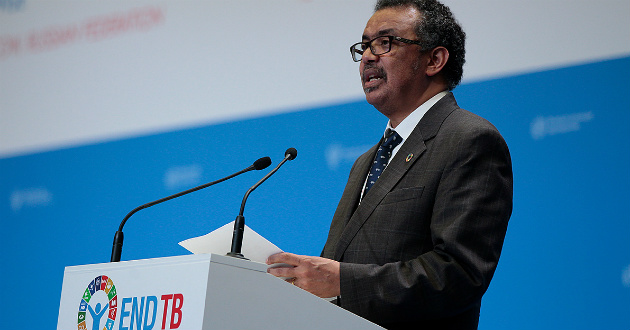
The new World Health Organization director general last month announced a range of officials to serve as programme directors, touting the unusual achievement of naming almost all women to add to an overall women's majority in the senior leadership of the organisation - a first for the UN. Now after some questions arose over the choice of a Russian official to head up efforts against tuberculosis, the WHO defended its choices as fully merit-based, including in an email to Intellectual Property Watch and its sister publication Global Health Policy News.

WHO’s Revised Work Programme: Evidence-Based Normative Work, Access To Medicines

In a couple of weeks, the World Health Organization will be holding its annual January Executive Board meeting. Delegates will consider the edited version of the draft 13th WHO general programme of work for 2019-2023, published on 5 January. Following comments to the first version of the programme in November, the secretariat produced a more fleshed-out document, emphasizing the WHO's normative role, in particular evidence-based. The necessity of access to medicines and vaccines has been extended to other products, such as devices and blood products, and mention is made of the WHO Global Strategy and Plan of Action on Public Health, Innovation and Intellectual Property.

Top IP-Watch Stories Of 2017: What Do They Tell Us About Multilateral IP Policy?

What IP-Watch stories were readers reading most in 2017, and what does it say about the state of global intellectual property policy? In this article, we look at the most-trafficked stories of last year, and make a few assumptions. Asia, Europe, trade, health. These were the top targets of interest to readers among our offerings. Interestingly, despite all the sound and fury in Washington, our coverage there was not at the top of the list. Even more interestingly, neither was our extensive and world-leading coverage of the World Intellectual Property Organization.

South Africa’s Push For Knowledge-Based Economy Through IP

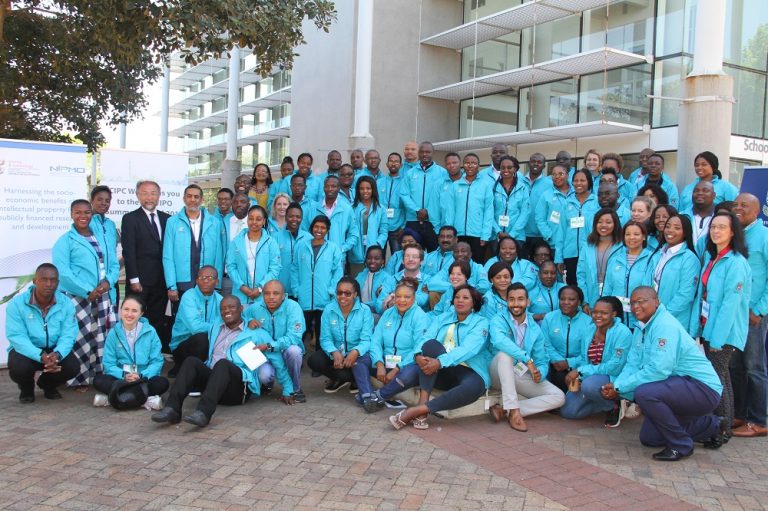
CAPE TOWN, South Africa – “If you want to create a knowledge-based economy and be part of it, be players not observers. There isn’t a stronger backbone than having an understanding of what IP is.” This statement was made by Mmboneni Muofhe, Department of Science and Technology (DST) deputy director general for technology and innovation, at the ninth Intellectual Property Summer School held at the University of the Western Cape (UWC) in December. The meeting brought together students, lawyers, scientists and different professionals drawn from Africa and other parts of the developing world for a ten-day intensive programme in intellectual property.