Category Enforcement

Gurry Speaks On Allegations For First Time As WIPO Members Discuss Actions

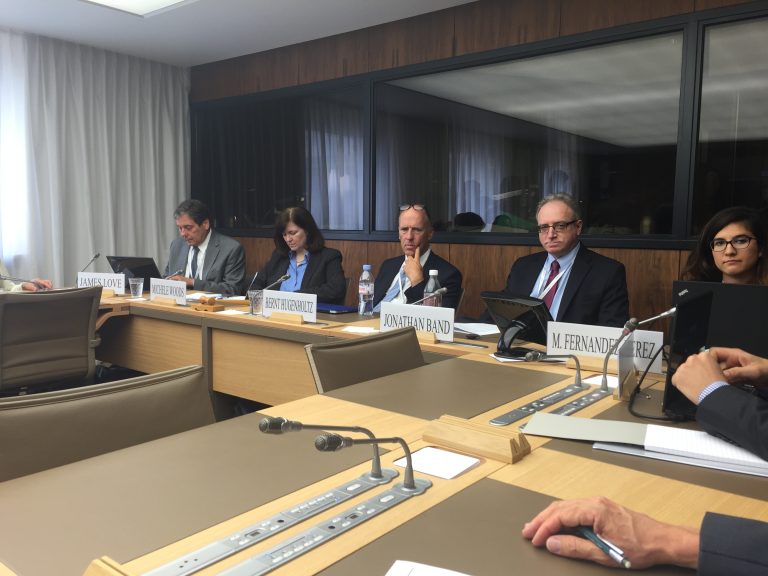
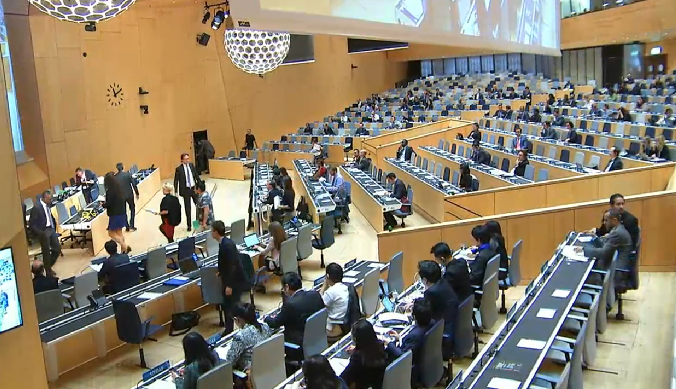
Heading into next week’s annual UN World Intellectual Property Organization General Assemblies, WIPO member states are considering a report from the United Nations investigations office regarding allegations of wrongdoing made involving WIPO Director General Francis Gurry. And for first time since the allegations arose, Gurry has offered his defence. Spoiler alert: he neither confirmed nor denied it but raised questions about the legality of sharing the report with member states.
Voluntary Sustainability Standards: Virtue Enhancers Or Trade Discriminatory?

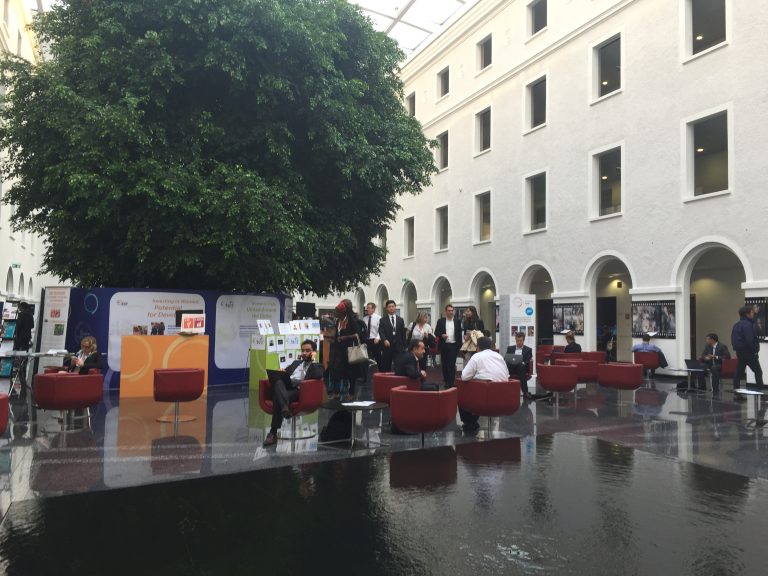
Voluntary standards are seen by some as acting as barriers to trade, in particular for developing countries unable to meet the requirements of those private standards. At the World Trade Organization Public Forum, two panels presented two approaches, one looking at governments' role in voluntary sustainability standards, and launching a report by a multi-agency United Nations initiative on those standards. The other one focused on the challenges private standards can represent for developing countries.

Signs Of Changing Trends In FTAs’ IP Chapters, Speakers Say At WTO

Although the Trans-Pacific Partnership negotiation has raised significant concerns from civil society during negotiations, including about the intellectual property chapter, speakers on a panel during the World Trade Organization Public Forum yesterday said the agreement actually includes a positive provision on copyright, while some other free trade agreements under discussion still include stringent proposals on IP.

US Supreme Court To Examine Outsized Infringement Damages

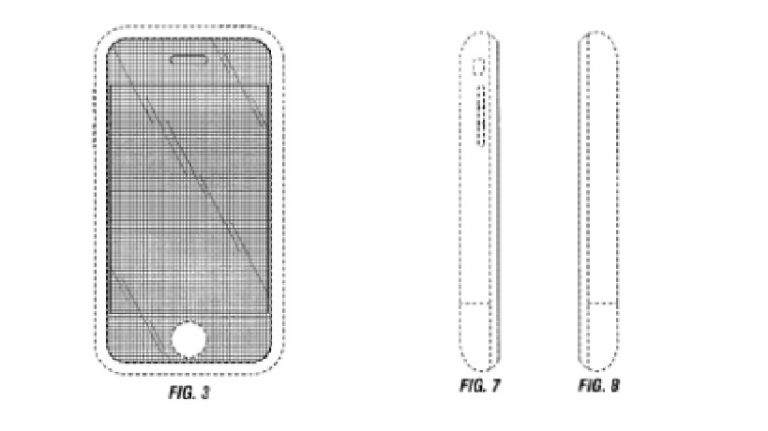
Patent infringers are supposed to pay damages, but the award in this case struck many as ridiculous. Some Samsung smartphones contained one or two purely decorative design elements that had been patented by Apple. But instead of paying modest damages for what many see as a tiny infringement, Samsung was ordered to pay $399 million – all the profits the company had made from its infringing phones. The Federal Circuit said it had no choice but to approve those damages; it was constrained by statute. Critics, however, said that the Federal Circuit had misinterpreted the statute. They fret the court’s error will unleash a wave of design patent infringement suits that will harm innovation, stifle competition, and empower patent trolls. Which is why so many will be paying close attention on 11 October, when this dispute comes before the US Supreme Court.

WIPO Traditional Knowledge: Text Passes Committee Approval, Goes To Next Session

World Intellectual Property Organization delegates today agreed on a text compiling divergent views on how traditional knowledge should be protected in the intellectual property system to be forwarded to the next session of its committee on the protection of traditional knowledge. Some clear dividing lines remain, such as traditional knowledge which is widely known and could have been placed in the public domain, or if conditions of eligibility should be part of a potential treaty.

After Two-Year Hiatus, WIPO Resumes Discussions On Protecting Traditional Knowledge

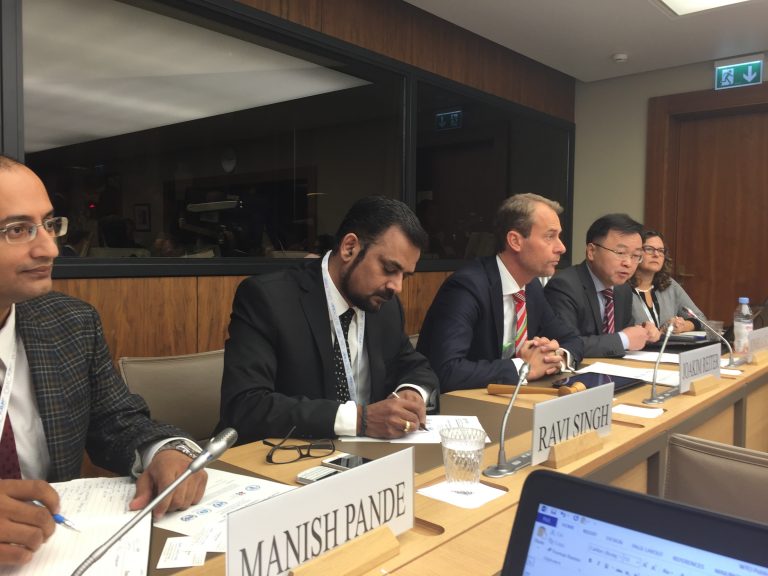
How can traditional knowledge be protected against misappropriation and who should benefit from this protection is at the heart of discussions at the World Intellectual Property Organization this week. After over a two-year hiatus, WIPO delegates are resuming discussions this week on a potential treaty protecting traditional knowledge. The week’s focus is to find common understanding of core issues, such as the definition of traditional knowledge, and the scope of protection.

Albania, Montenegro Amend IP Legislation With EU Bids In Mind

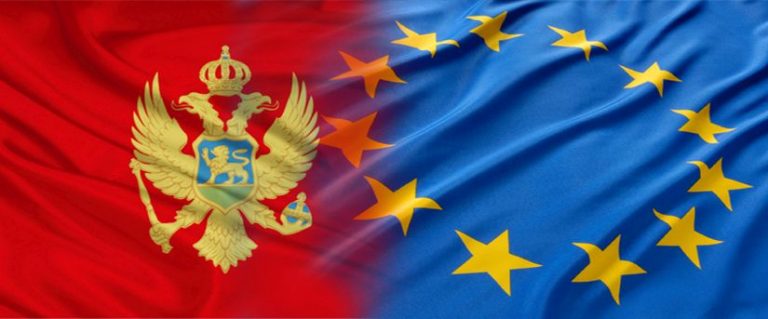
In a bid to push forward their ongoing membership negotiations with the European Union, two Balkan States have moved to further harmonise their intellectual property regulations in line with EU legislation. Albania's new copyright law will enter into force this October, and Montenegro's amended legislation on trademarks, industrial design and topographies of semiconductor products entered into force last July.