Category Enforcement

Year Ahead: A Rather Speculative Year In Global Trade

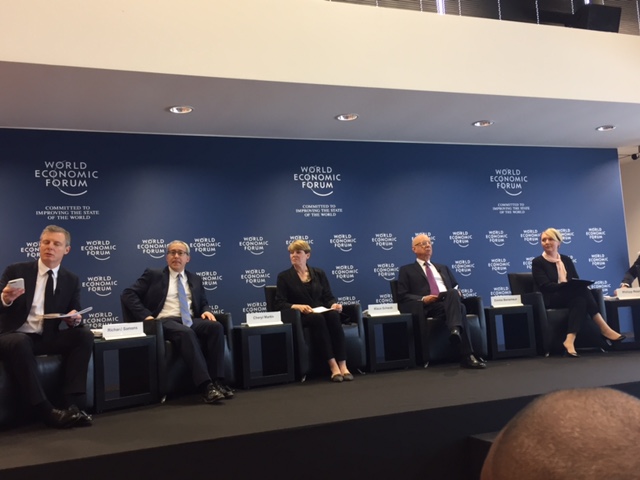
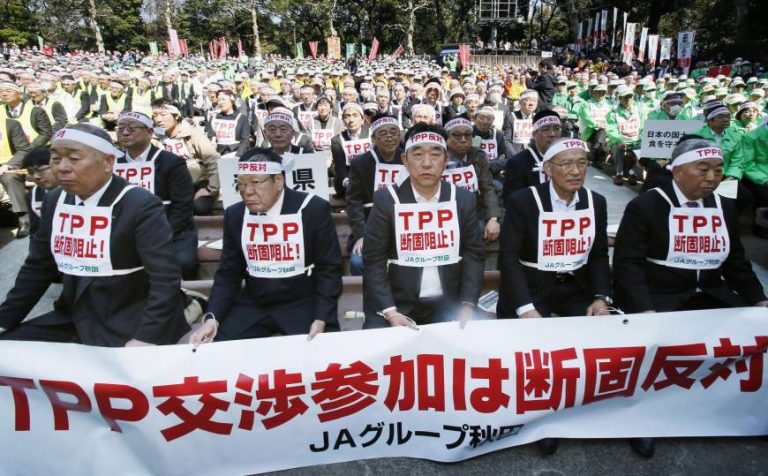
An interesting year lies ahead for trade policymakers. With US President Donald Trump sticking to his “America First” announcement pulling back from the Trans-Pacific Partnership right away, a new trade (world) order might be in the making. In every crisis, there is opportunity, Argentinian Trade Minister Susana Malcora said in Davos during the January World Economic Forum (WEF) where the business elite otherwise traded concerns at the beginning of an unpredictable year 2017.
A Case For Trade Enforcement: Colombia And Intellectual Property

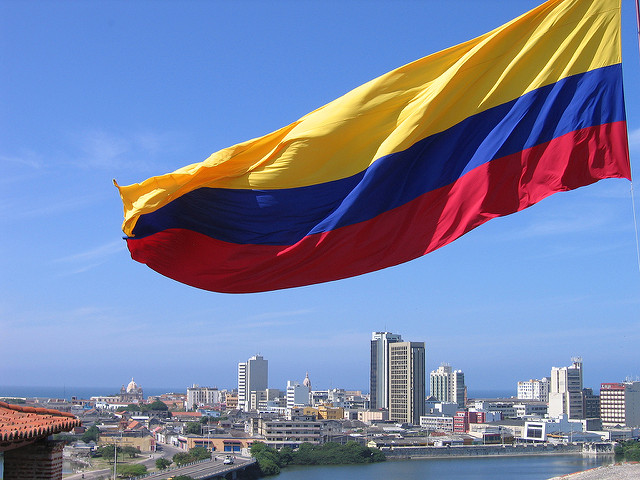
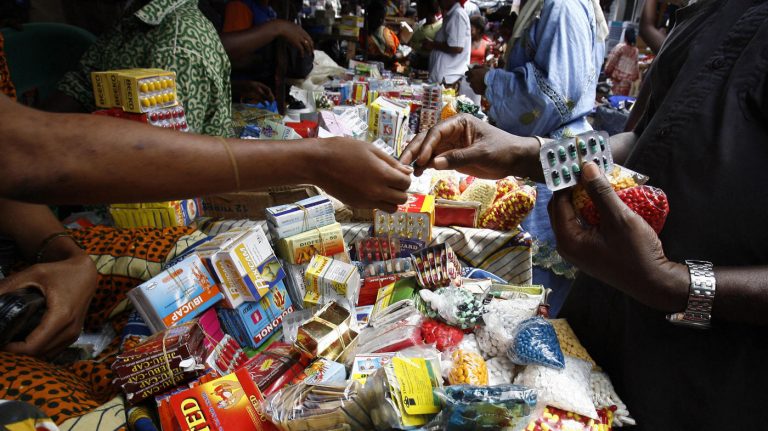
President Trump and members of his administration have rightly talked about the need to be tougher on trade enforcement, including promising to take a closer look at existing trade agreements to see whether they should be revoked, renegotiated, or more strictly enforced. A candidate ripe for review is Colombia, and in particular, its ongoing failure to implement intellectual property provisions under the U.S. Colombia Trade Promotion Agreement (TPA), Nigel Corey writes.

Canada-Europe Trade Agreement: One More Vote To Clear

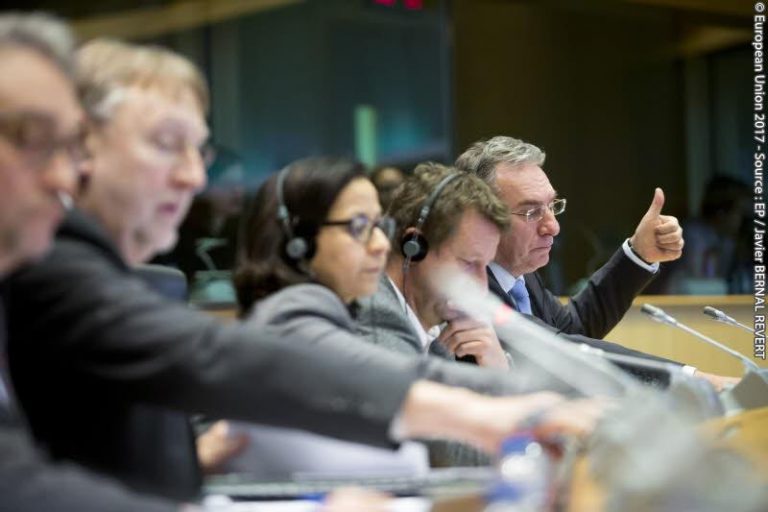
Just a day after US President Donald Trump withdrew the United States from the Trans-Pacific Partnership, the International Trade Committee of the European Parliament passed a recommendation in favour of adopting the Comprehensive Economic and Trade Agreement (CETA) between Canada and the EU. Meanwhile, the EU Trade Commissioner said trade is not to blame and the EU will negotiate many trade deals this year.

WEF Davos: Who Will Own The Knowledge Produced From “Our” Data By Machines?

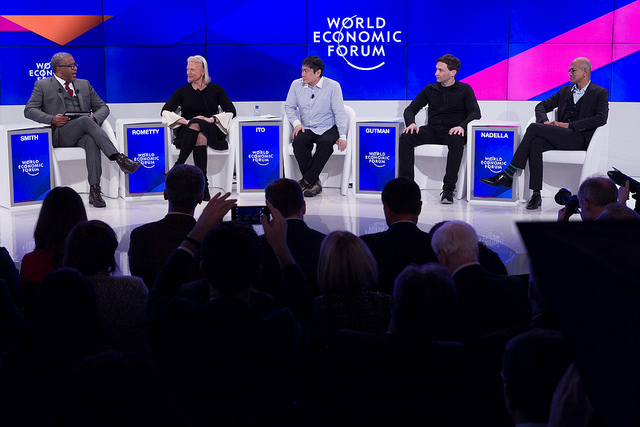
Artificial intelligence has succeeded the Internet of Things or the earlier cloud mania as buzzword number one at the Annual Meeting of the World Economic Forum that started today (17 January) in Davos, Switzerland. While ethical questions surrounding the intelligent machines are discussed at length and the question for regulatory steps considered, answers of who will own the knowledge created by machines or intelligent bots vary.

EU Study Recommends FRAND Clarification, More Coordination On 5G

The rapid development of information and communication technologies, and the need for greater interconnectivity driven by the Internet of Things has created a variety of standard-essential patent (SEP) owners and implementers with different business models, and for more diverse licensing practices, the European Commission Joint Research Centre says in a new study. This has made it harder to agree on an interpretation of FRAND licensing principles, something European policymakers must clarify in order to meet key digital single market and other goals, it says.

After 15 Years In WTO, China Still Weak On Many IP Rights Rules, US Says

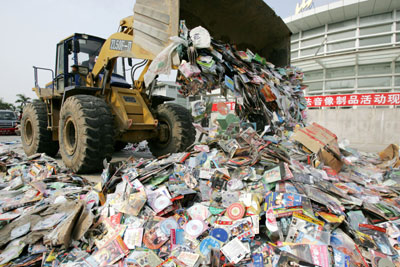
Innovation and intellectual property rights have set the United States apart from competitors in recent history, and China seems intent on closing that gap any way it can. A US trade office report out this week on China’s compliance with World Trade Organization rules 15 years after accession show the magnitude of China’s continuing compliance problems related to intellectual property rights.