Category Enforcement

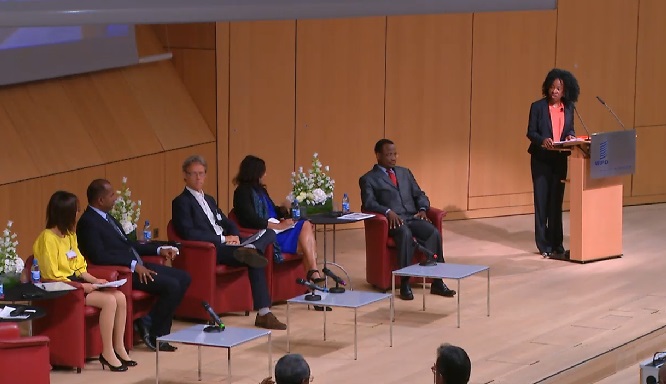
WIPO Seminar Looks At Protection Of Folklore

The World Intellectual Property Organization committee in charge of seeking solutions to protect traditional cultural expressions (folklore) from misuse meets this week. On the eve of the meeting, a preambular seminar looked at key policy issues of such protection and if current international instruments could provide for such solutions.
US Ends Post-Sale Patent Rights

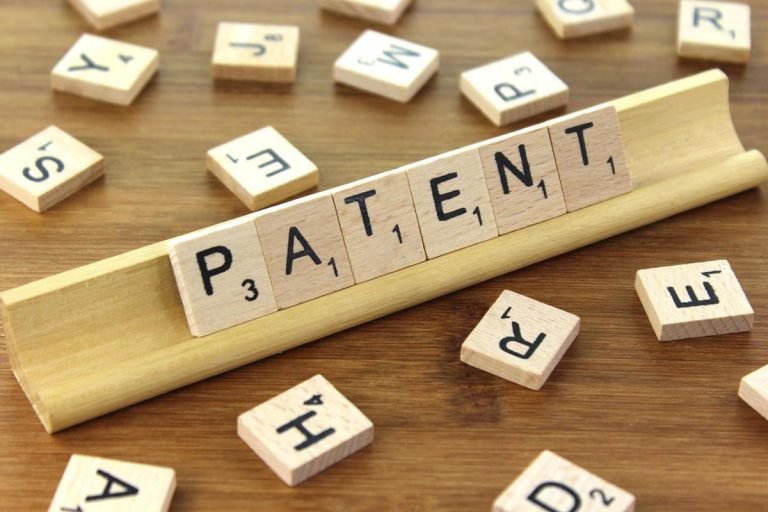
On 30 May, the US Supreme Court handed down yet another in a long series of rulings that cut back on the rights of patent owners. This time, the high court made it far more difficult for patentees to impose post-sale restrictions on the use or resale of their patented goods. The ruling should boost parallel imports into the US, increase competition throughout the American economy, lower prices for US consumers, and hurt the bottom line of many companies.

World Health Assembly Adopts Resolution Supporting Tax On Tobacco, Alcohol, Sugar

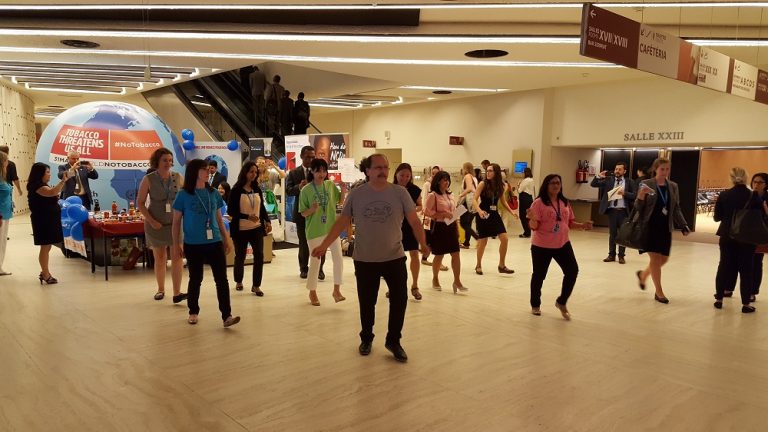
Cancer, diabetes, heart disease and chronic respiratory diseases are killing millions of people each year, making noncommunicable diseases the leading global cause of human deaths, many of them premature. This week, the World Health Assembly endorsed an updated set of policy options for countries to help them with the prevention and control of those diseases. On the list is a suggestion for tax increases on tobacco products and alcoholic beverages, and the reduction of salt intake. Supported by many countries, it was resisted by the United States and Italy.

Top 5 IP Offices Advance Patent Harmonisation

Celebrating their tenth anniversary of working together, the intellectual property offices of Europe, Japan, Korea, China and the United States today concluded a meeting of the so-called IP5 by announcing efforts to further harmonise their patent practices. This includes measures affecting global instruments like the Patent Cooperation Treaty.

EU Trade Politicians Consider Picking Up Pieces Of Trade Negotiations

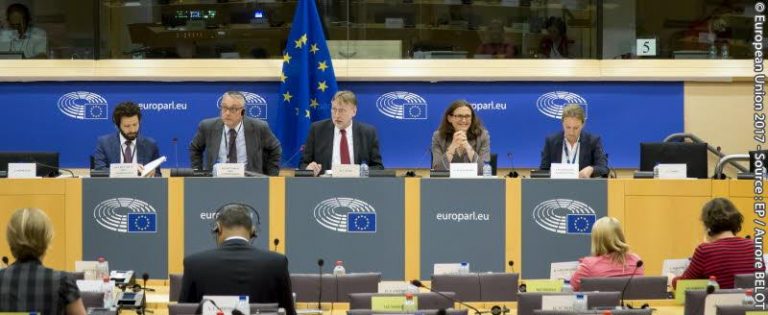
European Union trade politicians and their counterparts from the United States need more time to consider next steps in their trade relations, EU trade Commissioner Cecilia Malmstroem said during a session with the trade committee of the European Parliament this week. At the same time, she reported that Trans-Pacific Partnership (TPP) and Trade in Services Agreement (TISA) negotiating partners have been turning to Europe to make headway. Meanwhile, former EU Justice Commissioner and member of the European Parliament, Viviane Reding, called for a counter-offensive to rising protectionism.

WTO Annual Report Highlights TRIPS Amendment

“A moment of real historic significance for the World Trade Organization” was the entry into force of the Trade Facilitation Agreement (TFA) together with the amendment to Agreement on Trade-Related Aspects of Intellectual Property Rights (TRIPS), WTO Director-General Roberto Azevêdo said this week.

WHA Committee Bans IP Reference In Substandard And Falsified Medicines

The “delicious acronym SSFFC” - as described by Marie-Paule Kieny, assistant director-general for Health Systems and Innovation at the World Health Organization - will no longer be used by WHO to describe substandard and fake medical products, when a committee's decision is adopted by the full World Health Assembly tomorrow. And key to this decision is that protection of intellectual property rights is not a competence of the UN health agency.

US Renegotiation Of NAFTA To Include IP Rights, Digital Trade

Newly confirmed United States Trade Representative Robert Lighthizer issued a letter to Congress today stating that he will lead a renegotiation of the 1994 North American Free Trade Agreement (NAFTA) with Canada and Mexico. And the changes will include new provisions on intellectual property rights and digital trade.

How The CIA WikiLeaks Disclosure Diverts Attention From Big Picture

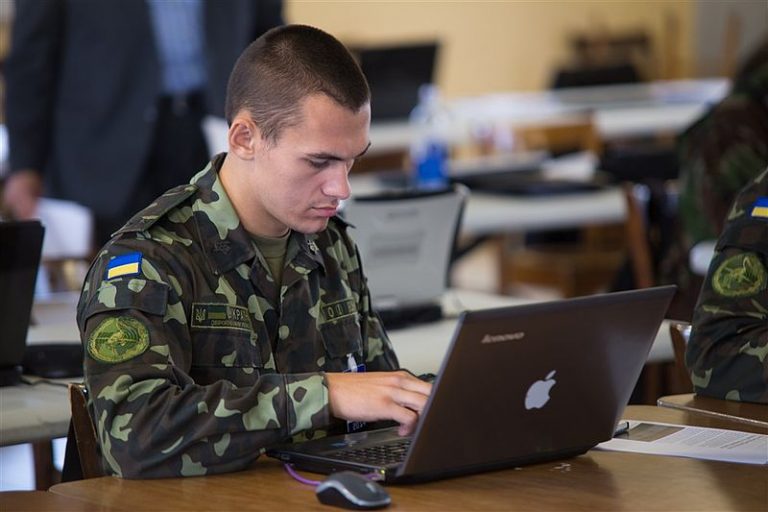
The WikiLeaks publication of hacking tools and malware the CIA has allegedly used continues to stir the ire and fear of those concerned about the possible risk of the US government’s backdoor access to private data. But WikiLeaks' publication of alleged CIA-created malware instructions, which the CIA has not confirmed as authentic, diverts attention away from how numerous other state-sponsored agents are aggressively seeking to steal intellectual property and other data, security experts say.