Category Enforcement

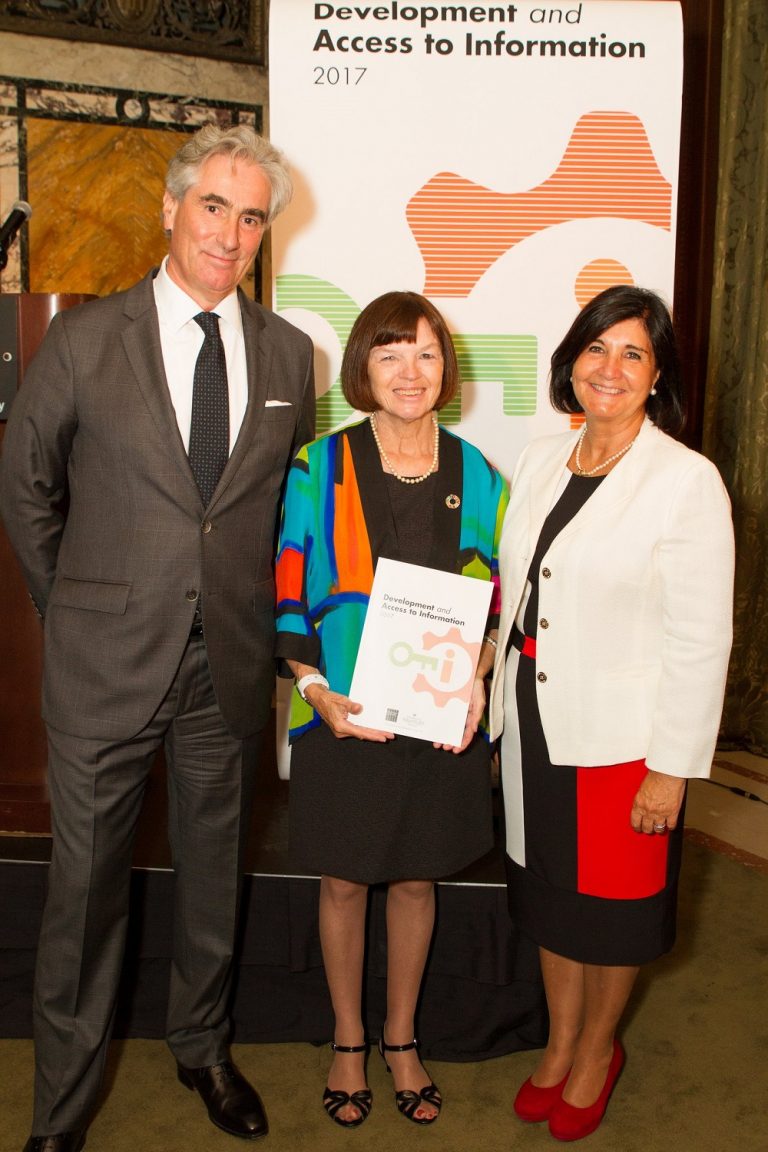
Information, Access, And Development: Setting A Course For The Sustainable Development Goals

Gerald Leitner writes: Information is the raw material for decision-making. When individuals and groups make the right choices, based on good information, their chances of taking a full role in economic, social, cultural and civic life improve. They can better create and innovate, participate in politics, find and do their jobs well, and live healthily.

Informed citizens and communities are also essential to the UN’s 2030 Agenda. We cannot have sustainable development when individuals are not able to deal with new choices and challenges autonomously, drawing on access to information. And we cannot have inclusive development, with no-one left behind, unless this access is real and meaningful for everyone.

Libraries have long sought to do this, making sure that the world’s heritage is preserved and made accessible, allowing the sharing of knowledge between institutions and across borders, and giving children, families, students and others the chance to enjoy works which they could never afford to pay for individually.

Companies Prefer Trade Secrets To Patents To Protect Innovation, EUIPO Finds

“Despite their economic importance, and in particular their role in protecting returns from innovation, trade secrets are poorly studied and their relationship with patents is often misinterpreted,” the EU Intellectual Property Office (EUIPO) said in a study published this month. It used a survey of around 200,000 companies in Europe's manufacturing and service industries to determine what factors influenced their choice between patents and trade secrets, as well as their overall use of both mechanisms. The results could help policy-makers, the Office said. It also holds out opportunities for innovative lawyers and intellectual property firms, said one IP management consultant.

Why Fair Dealing Is Not Destroying Canada Publishing

For the past few years, publishers around the world have engaged in a sustained campaign to hold up Canada as proof that making fair dealing more flexible for education will hurt publishers. Those efforts rarely tell the whole story: that paid access remains the primary source of materials in Canada, that educational copyright policies in Canada are primarily a function of court decisions not copyright reform (the emphasis on fair dealing came before the 2012 reforms), that global publishers were reporting marketplace challenges that have nothing to do with copyright, that Canadian publishers that supposedly stopped publishing were still in business, that court affidavits from Canadian publishers focus on many concerns other than copyright, and that a study from one Canadian publisher association highlighted issues such as open access and used book sales. University of Ottawa law professor Michael Geist expands on the reality of Canadian publishing and copyright law.

To Print Or Not To Print: Innovation And IP Issues In 3D Printing

3D printing used to be an expensive product design tool, but it is quickly becoming an affordable and accessible technology. First emerging in the 1980s, the availability of low-cost, high-performance 3D printers has put the technology firmly within reach of consumers. While this provides a number of opportunities for designers and manufacturers, there is also concern around the impact on IP rights, writes Jia Li.

Intermediaries Could Be Made Liable In EU Copyright Legislation

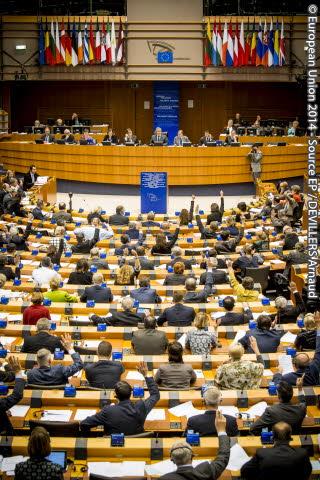
Positions on the new draft European Union Copyright Directive lie so far apart in the European Parliament that compromise before an expected October vote seems nearly impossible. Critics of a new special copyright for press publishers - and of a radical change towards holding internet intermediaries liable for what their users upload - were highly alarmed by this week’s developments in Brussels.

WIPO’s Gurry: Artificial Intelligence, Gene Editing Latest ‘Winners’ In Innovation

The main winners of innovation are technologies that enable market application, with gene editing and artificial intelligence as two examples, Francis Gurry, director general of the World Intellectual Property Organization, told a panel discussion last week. Thomas Cueni, director general of the International Federation of Pharmaceutical Manufacturers & Associations (IFPMA), said at the same event that everybody benefits from innovation.

Lessons From South Africa: Protecting Non-Expressive Uses In Copyright Reform

Matthew Sag and Sean Flynn write: This week, the South African Parliament began accepting comments on its pending Bill proposing to amend the South African Copyright Act to align it with the digital age. We and other experts and civil society organizations submitted comments praising many of the Bill’s provisions and proposing that it adopt an “open” fair use right. Here we focus on one major reason to adopt an open fair use right – to authorize so-called non-expressive uses of works. We conclude with some reflections on how international law could help in this regard.

G20 Reaches Agreement Against Terrorism, Appears To Target Encryption

At the G20 meeting in Hamburg today, the German hosts chose a retreat over the fight against terrorism as a warm-up, before turning to the controversial topics of free trade and climate change. Governments were very much in agreement when it comes to one thing: Internet platform providers must do more to fight radicalization and the use of the internet by terrorists.

ITU Launches Cybersecurity Index 2017

The UN International Telecommunication Union (ITU) has published the Global Cybersecurity Index 2017 (GCI-2017). The GCI-2017, the second in this index series, measures the commitments of the 193 member states of the ITU to cybersecurity and helps the member states to identify areas for improvement, according to a press release.