Category Enforcement

Copyright For Libraries Around The World In 2018

Copyright laws around the world are constantly changing in an attempt to adapt – or react – to the digital world. These changes can have a major impact on how libraries function and on the public service they provide. While some reforms offer new possibilities and legal certainty, others look backwards and seek to use the law to restrict the ability of libraries to guarantee meaningful information access to their users, IFLA writes.

Interview With Peter Vanderheyden, CEO Of Article One Partners

Article One Partners (AOP), the world leader in crowdsourced intellectual property research, is now into their 10th year. Intellectual Property Watch recently arranged an interview with Article One Partners CEO Peter Vanderheyden to get an update on how the company has evolved in response to the ever-changing IP landscape, and in light of their commitment to IP quality.

Indian Pharma Industry Disputes US Industry IP Index

The United States Chamber of Commerce industry group recently issued its annual global IP index, analysing intellectual property protection in 50 countries, as a prelude to the annual US government list of countries seen as not adequately protection US companies' IP rights. Now an Indian industry group has issued a counter-statement to the Chamber index, calling it a "tirade" and "self-serving".

US May Extend Its Patent Damages Worldwide

On January 12, the US Supreme Court agreed to hear a case that could produce a major change in US patent law, with effects reaching far beyond America’s borders. At issue in WesternGeco LLC v. ION Geophysical Corp. is whether and when a US patent owner can collect infringement damages on a global basis.

US Industry Index Makes Case For Strong IP Protection Worldwide

The United States Chamber of Commerce sixth annual International IP Index, released yesterday, highlights positive developments in 50 economies to better protect intellectual property rights so as to reward creativity and innovation. But it also takes aim at practices the US industry group still sees as counterproductive.

On IPR, Major US Trading Partners In Firing Line Of US Industry, While Cancer Patients Ask For Access

Every year at this time, the Office of the United States Trade Representative collects comments from stakeholders for its review of how well US trading partners are behaving when it comes to protecting and enforcing the intellectual property rights of US companies. Pharmaceutical companies and an alliance of rights holding industries came prepared with a list of countries to be put on special watch lists, including Canada, Brazil, India, Malaysia, and Switzerland. A patient group, on the other hand, asked that trade interests not supersede access to medicines worldwide.

A Brief Sketch Of Privilegio In The Venetian Renaissance

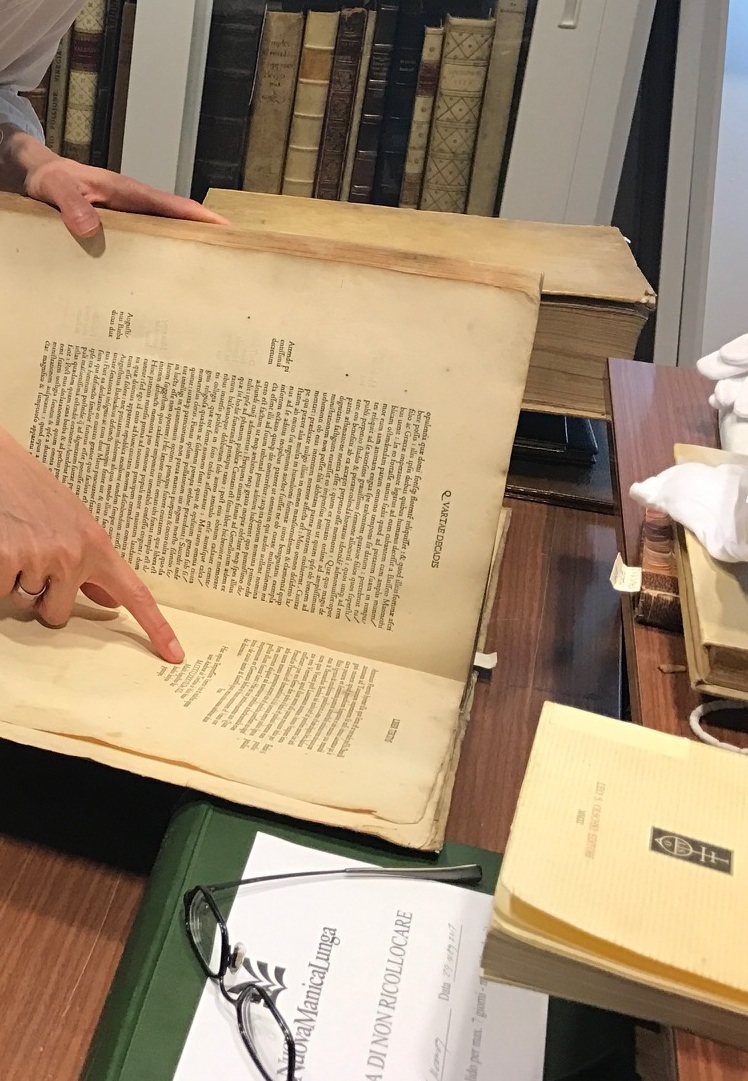
Gavin Keeney writes: As a type of historical morality tale, especially given arguments currently before the European Commission regarding copyright reform and “neighboring rights,” this short treatise addresses the origins of copyright in the Venetian Renaissance in the late 1400s under the aegis of privilegio, notably first granted to authors (author-publishers) versus printers (printer-publishers). Subsequently, printers as publishers would command the lion’s share of such rights to works. Arguably, Venetian privilege transferred the immemorial aspect of written works (here considered “moral rights” for works) to authors in a casual, yet emphatic manner leading to modern copyright. With contemporary copyright nominally belonging to authors, but in fact belonging by expropriation to presses and platforms, it is likely that one of the few solutions, short of benevolent presses fully sharing rights with authors, is for moral rights to return to works by way of the author renouncing copyright but refusing the arrogation of such renounced rights to presses and platforms.

WIPO Traditional Knowledge Division Provides Capacity Building, Publications

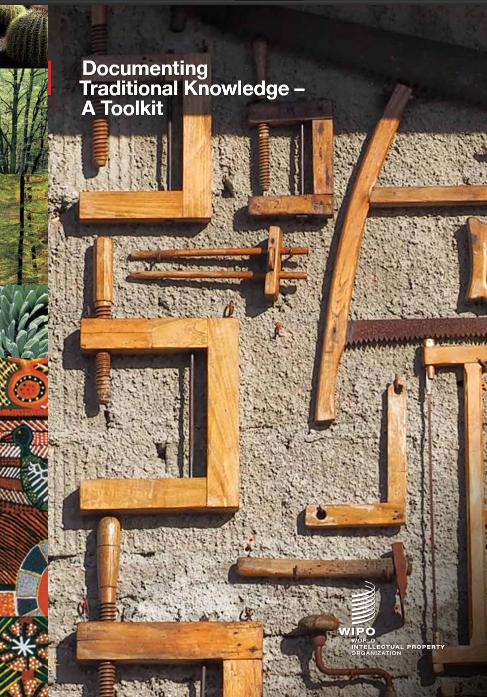
The protection of genetic resources and traditional knowledge through the intellectual property system has been discussed for many years at the World Intellectual Property Organization. While delegates are working on potential international instruments to provide such protection, the WIPO Traditional Knowledge Division is involved in technical assistance and capacity building, providing information and issuing publications.

Copyright And Artificial Intelligence

Ed Klaris writes: Recently, a photographer whose camera was used by a monkey to take a selfie settled a two-year legal battle against an animal rights group about copyright over the image. The lower court had denied the monkey a copyright, but the photographer did not want to face the appeals court. Whether monkeys can create copyrighted works is not exactly a pressing question for our time. But the important issues raised by this case and others about who owns creative work in an increasingly automated world are crucial to the future of copyright. With the advent of AI software, computers -- not monkeys -- will potentially create millions of original works that may then be protected by copyright, under current law, for more than 100 years.

JPO Refused To Register Wordmark “ROMEO GIGLI” Due To Lack Of Consent From Italian Fashion Designer

In a recent decision, the Appeal Board of Japan Patent Office (JPO) refused to register trademark application no. 2015- 100245 for a red-colored word mark “ROMEO GIGLI” in gothic script (see below) designating goods of Class 24 and 25 on the grounds that applicant failed to obtain a consent from Italian fashion designer, Romeo Gigli, based on Article 4(1)(viii) of the Trademark Law, writes Masaki Mikami.

Julia Reda-Led Panel Discussion Reveals – Publishers’ Right Faces High Resistance From Academic Circles

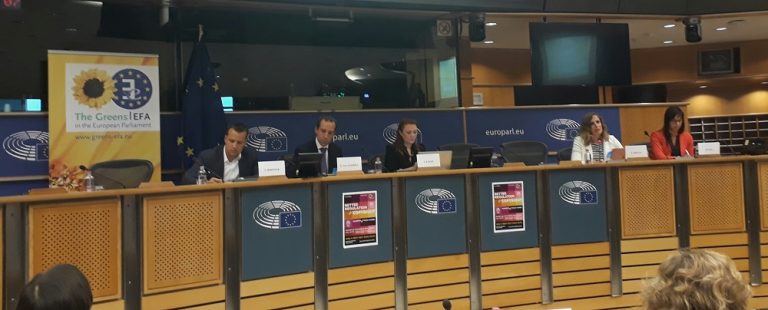
The Greens/EFA Group in the European Parliament organised last autumn the panel discussion titled, “Better Regulation for Copyright: Academics Meet Policy Makers” in Brussels. This is an initiative that together with a recently published study questions whether national and EU neighbouring rights for publishers are actually lawful. The article below gives an overview of the panel discussion and movements that followed in the legislative process in Brussels, with a special focus on the press publishers right, writes Ines Duhanic.

Year Ahead: Copyright, Unified Patent Court Remain High On EU Priority List

Plans to update European Union copyright rules advanced in 2017 but remain contentious heading into the new year. The proposal for a directive on copyright in the digital single market is the subject of intense debate between the EU Presidency and the European Parliament, with no clear end in sight to the negotiations. Several issues, including a possible “ancillary right” for news publishers and a plan to force online platforms to filter all uploads to combat copyright infringement, remain unresolved.

Other copyright matters, such as a regulation on broadcasting and a review of the EU database directive, are in the works. On the patent side, a pressing question is whether – and when – the EU unified patent and patent court (UPC) might finally launch.

Several EU comprehensive trade agreements, which include provisions on intellectual property rights, are under negotiation.

Cases to watch in the European Court of Justice include a referral from the Netherlands on the issue of whether the taste of cheese can be copyrighted.