Category Development

WIPO Committee On The Protection Of Genetic Resources Meets This Week

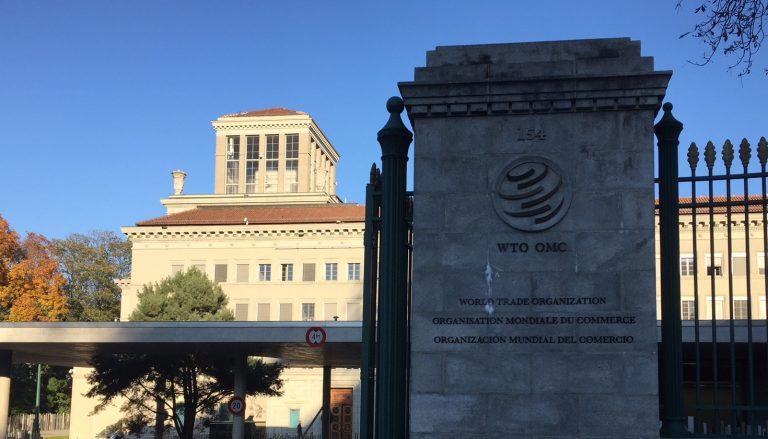
World Intellectual Property Organization delegates will meet in the coming week to try to advance work on the protection of genetic resources against misappropriation. Through its renewed mandate, the WIPO committee is expected to focus on accommodating diverse points of view and try to reach a common understanding on core issues, including what and whom should benefit from protection.
Global Health Governance Changing With Shift In Economic Centre Of Gravity, Speakers Say

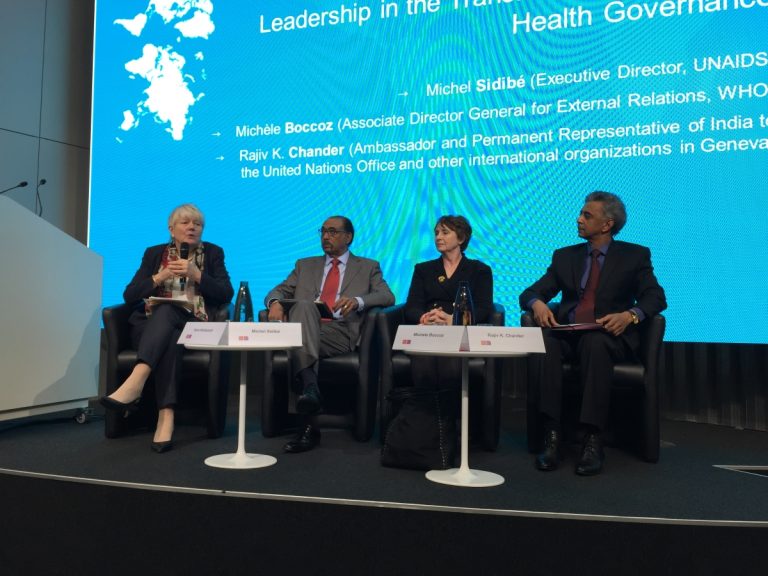
Political and economic shifts have modified the post-war world order, and global health governance has to adapt to this new environment, speakers said at an academic event in Geneva this week. Among the changes: with the decline of United States funding for global health, new actors such as China and India could take leadership roles, they said.

WHO: Access To Hepatitis C Treatment Increasing, But Most Patients Undiagnosed

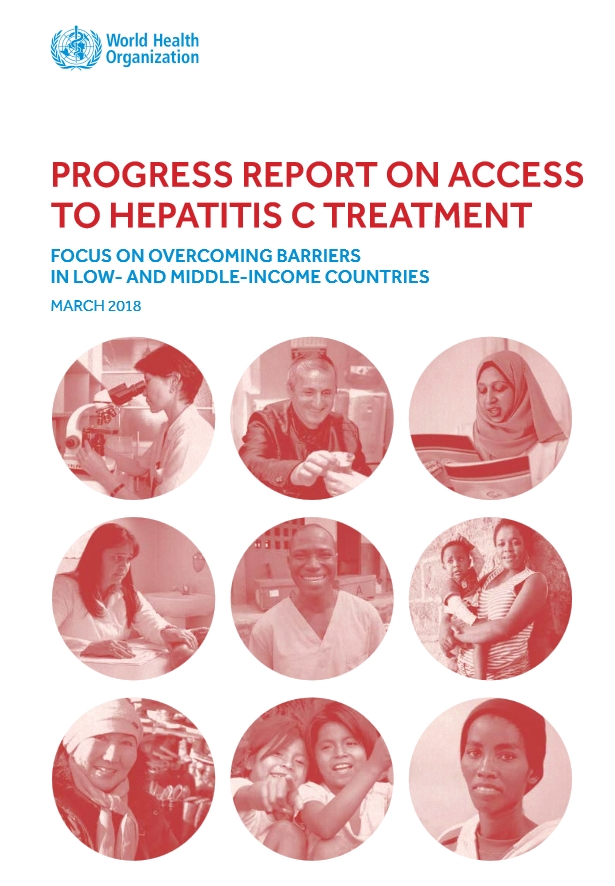
Access to hepatitis C treatments is increasing, so are therapeutic options, but most of those living with the disease are not diagnosed and thus remain untreated, the World Health Organization found in a new report. Upper-middle income and high-income countries continue to pay high prices, impeding equitable access, and those countries which have been most successful in increasing access have mobilised a strong government response, the report found.

New IP-Sharing Framework To Accelerate R&D

Pharmaceutical R&D constantly leads to the generation of new intellectual property (IP), from clinical trial data to libraries of promising compounds. Not all IP assets generated by a company are used in their future R&D. When this happens, companies can choose instead to share them with other third-party researchers, under licensing agreements. The Access to Medicine Foundation has worked with BIO Ventures for Global Health (BVGH) to develop a framework for identifying which IP assets are most difficult for companies to share, yet most likely to speed up R&D of the medicines and vaccines needed by people living in low- and middle-income countries (LMICs), write Clarke B. Cole and Katie Graef.

A Look At The Role Of Governments, Universities, Science In Health Innovation & Access

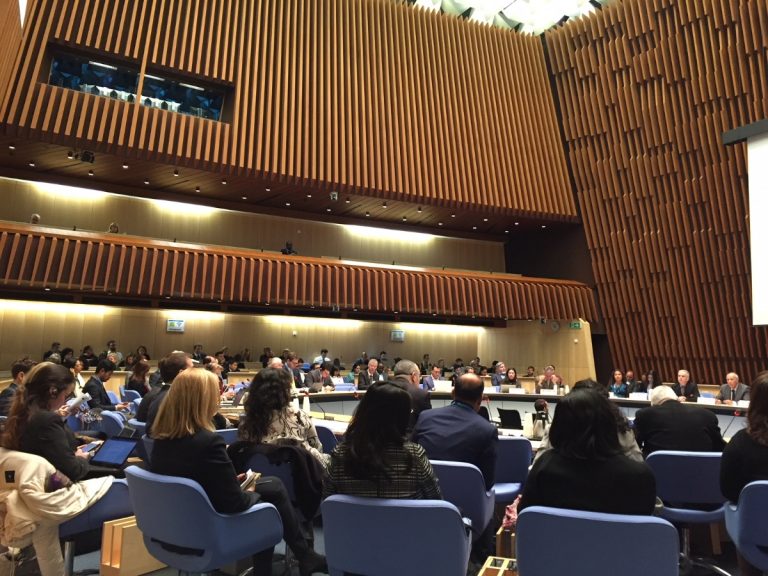
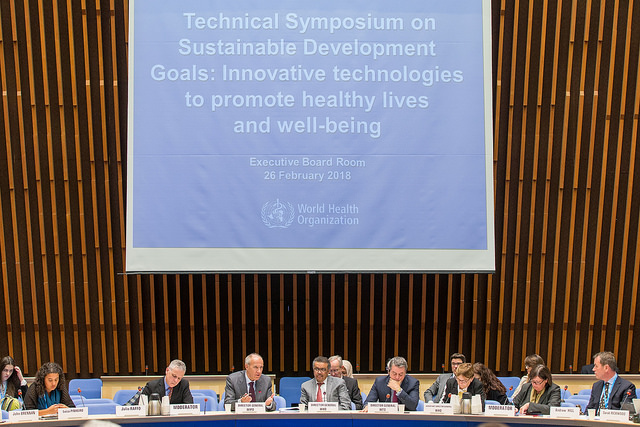
Intellectual property rights, particularly patents, are considered by some as being a barrier in access to medicines despite being a stimulus for innovation. At a recent symposium co-organised by the World Health Organization, World Trade Organization and World Intellectual Property Organization, speakers also talked about the role of science, governments, and universities in health innovation and access, and how to address challenges such as secondary patents.

Protecting And Promoting Copyright Balance In NAFTA

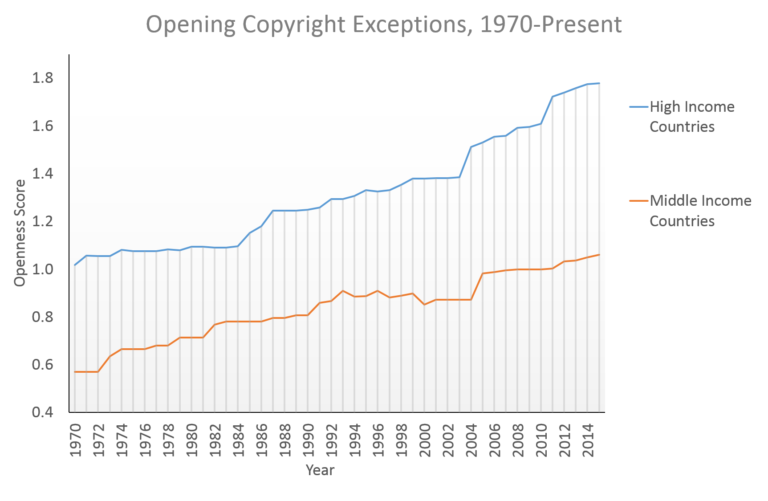
The ongoing NAFTA renegotiation presents a prime opportunity to move the ball on protecting and promoting general public interest copyright exceptions. All three countries have such exceptions to varying degree. And all three are under threat from an agenda to cabin their use through international law. NAFTA negotiators can and should include the best models from prior international agreements that protect and promote the ability of countries to have general exceptions, writes Professor Sean Flynn.

WHO Joint Tropical Disease Program Issues Report On Research Fairness

The World Health Organisation's Special Programme for Research and Training in Tropical Diseases (TDR) has published the first report on research fairness under a new initiative. The report includes an analysis of how TDR manages intellectual property rights in a positive way.

Medicines Vastly Overpriced, Generics Too: Discussion At WTO-WIPO-WHO Symposium

The price of hepatitis C medicine marked a turning point in the discussion on access to medicines, with developed countries suddenly confronted to prices they could not afford. This week, a symposium jointly organised by the World Health Organization, the World Trade Organization, and the World Intellectual Property Organization explored the question of the pricing of medicines. A number of suggestions were made to alleviate the issue, such as ensuring wide use of generic medicines, encouraging competition, and alerting countries about the cost of medicine production so they negotiate better with pharmaceutical companies.

WTO TRIPS Council Looks At IP And The Public Interest, Importance Of Research Exemption

A relatively new topic of discussion at the World Trade Organization committee on intellectual property is the relationship between intellectual property and the public interest. This week, WTO delegates discussed the application and benefits of a regulatory exception to IP rights allowing earlier entry of generics to the market, known as the Bolar exception. The committee also heard about a request from least-developed countries (LDCs) to improve technology transfer measures that developed countries have the obligation to provide under WTO rules.