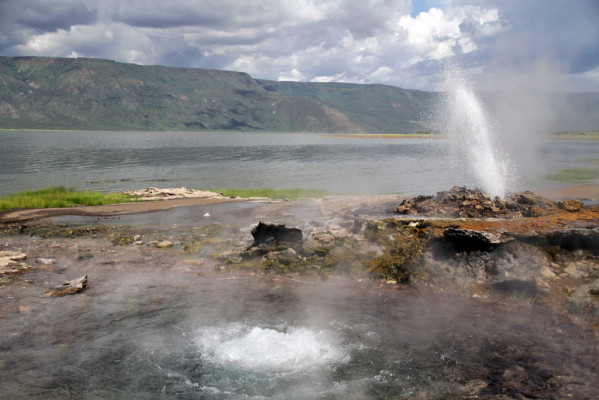
Kenyan Community Benefits From Its Genetic Resources
In Kenya, residents living around Lake Bogoria in Baringo County have received Kenya shillings 2.3 million, about USD 26,000, as royalties paid by a Danish bio-enzyme company.

Original news and analysis on international IP policy
In Kenya, residents living around Lake Bogoria in Baringo County have received Kenya shillings 2.3 million, about USD 26,000, as royalties paid by a Danish bio-enzyme company.

The World Health Organization Pandemic Influenza Preparedness (PIP) Framework is at risk due to some companies not fulfilling their obligations, a new WHO report says.
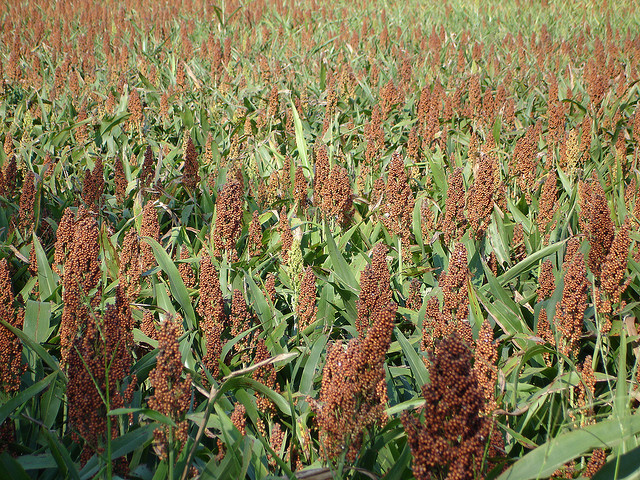
The African Regional Intellectual Property Organization (ARIPO), with the help of the United States and an international plant variety organisation, is working to grow regional support for a controversial draft law. The draft protocol would boost protection for new plant varieties, despite concerns of local civil society that it would not be in the best interest of ARIPO members’ food security due to its potential impact on small farmers. ARIPO held a regional workshop on the issue in recent weeks in part to build support for a treaty negotiation to lock in these protections.

A lighter mood seems to have set in at the World Intellectual Property Organization Committee on Development and Intellectual Property (CDIP), after a year of what was qualified as a cycle of disagreements by some. Although delegates reiterated previous positions on some longstanding agenda items, some middle-ground alternatives seem to have gained attention.
The United States is accustomed to having a strong say in multilateral negotiations, but in the case of a move by a small number of World Intellectual Property Organization members to negotiate higher protection for geographical indications without the full participation of the US and others, the US government is particularly fuming. Now it has questioned the very validity of the move.

The World Intellectual Property Organization patent law committee this week is addressing a range of issues including patent quality, technology transfer for medicine production, limitations and exceptions to patents, and the confidentiality of communications between clients and their patent advisors.

Members of a World Intellectual Property Organization treaty protecting appellations of origins who are seeking to revise that treaty to include geographical indications were opposed this week by several WIPO member states seeking to have a say in the adoption of the revision. The issue has raised a question for WIPO about participation in treaties and agreements.
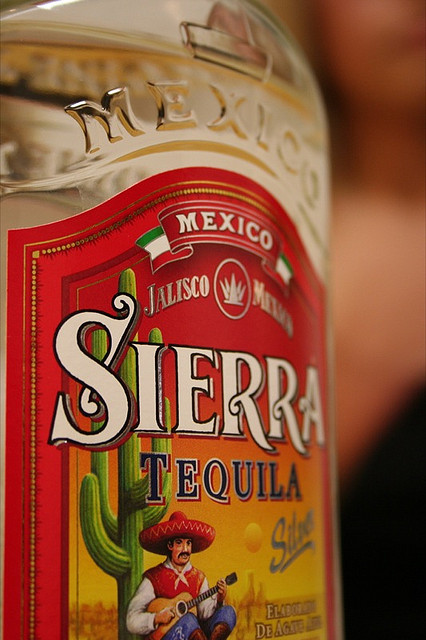
The contracting parties of the agreement protecting appellations of origin at the World Intellectual Property Organization are meeting this week to fine-tune a draft revision of this agreement to include geographical indications. The end of the week is scheduled to be devoted to a preparatory committee of a high-level negotiating meeting in 2015 to adopt the revision.

PARIS –Life sciences stakeholders at a recent conference explored matters associated with market access in the BRICS (Brazil, Russia, India, China, South Africa) and in the Middle East and North Africa regions.

The international body protecting new varieties of plants concluded a week-long set of meetings with a number of decisions, among which was the re-appointment of its secretary general, and the addition of an international organisation and a farmers' organisation as observers. The national legislation on plant breeders of Zanzibar was approved, opening the way for Tanzania to become a UPOV member.
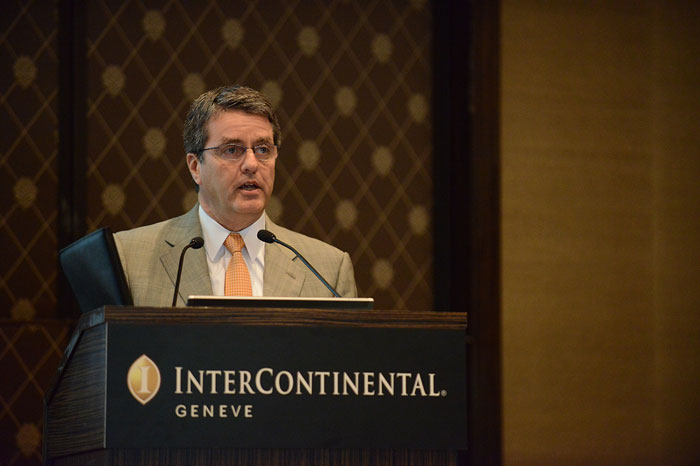
World Trade Organization Director General Roberto Azevêdo this week hailed WTO’s intellectual property agreement, saying the past two decades show it provides a balanced multilateral foundation for the growth of trade in knowledge-rich products and services.
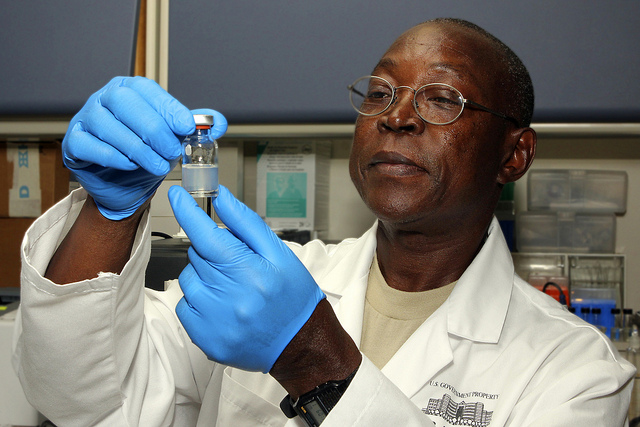
Today, the World Health Organization gave a press briefing to update journalists on what to expect in the near future on Ebola treatments and vaccines.