Category Access to Knowledge/ Education

Opposition To Kenyan “Anti-Innovation” ICT Bill Grows

A bill introduced in Kenya’s parliament intended to streamline, govern and regulate the country’s information and communications technology (ICT) sector has been met with opposition from different quarters over fears that it could put ICT technicians out of practice and stifle the country’s innovation capacity if passed into law.

European Music Industry Presses Brussels To Solve “Value Gap” From User Uploads

More than 1,000 recording artists and songwriters from Europe, and artists who regularly perform there, have urged the European Commission to stop the “value gap” created by user upload services such as Google's YouTube from “siphoning value away” from the music community. Google, however, said digital services aren't the problem, and that greater transparency on royalties is needed.

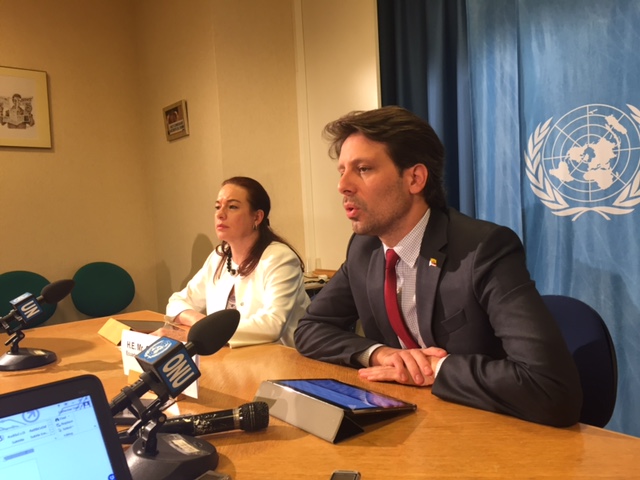
Embassy In London Under Siege, IP A ‘Neo-Liberal Pillar’, Ecuador Minister Says

A top Ecuadoran official said today at the United Nations in Geneva that WikiLeaks founder Julian Assange’s health is deteriorating after four years confined in the Ecuadoran embassy in London, while the United Kingdom and Sweden are ignoring the findings of the UN Working Group on Arbitrary Detention which called for Assange’s release. The Ecuadoran Minister of Foreign Affairs also said Ecuador will carry on issuing compulsory licences for medicines as it sees fit, underlining the increasing role of intellectual property and the greater privatisation of knowledge.

Clinton Lays Out Presidential Tech & Innovation Plans

US presidential candidate Hillary Clinton has issued highlights of her plan to boost the nation's competitiveness in and attention to technology, internet and innovation if elected. The platform hits many of the latest issues and buzzwords in those fields, continuing existing programs but also pushing further in some areas. Among the plans: appoint a chief innovation advisor, reduce frivolous patent litigation, support allowing the US Patent and Trademark Office to keep its fees, boost access to orphan copyrighted works and open licensing, support multi-stakeholder internet governance, and keep the internet open worldwide. Clinton also gave a nod to personal privacy online and took a jab at the SOPA bill that was defeated for over-reaching on behalf of IP rightsholders.

US Courts Split On Legality Of Music Sampling

De minimis non curat lex – the law does not concern itself with trifles. This venerable legal principle is applied throughout the world, but not in one part of US copyright law. Copying any part of a sound recording, no matter how tiny, is actionable copyright infringement, according to an eleven year-old US appellate court ruling. Following that ruling, pop star Madonna found herself sued because her hit song, Vogue, allegedly copied a fraction of a second of another song. That copyright infringement suit was thrown out on 2 June, however, when a different appellate court ruled that de minimis infringements of sound recordings do not create any liability. Now US copyright law is in a muddle.