Category Access to Knowledge/ Education

International IP Treaties Bring Tension in Africa’s Homegrown Knowledge Governance

CAPE TOWN, South Africa -- The belief that intellectual property promotes foreign direct investment and international trade has brought tension in African countries’ ability to eliminate trade barriers, and to ensure local governments are able to develop policies that respond to local needs, according to an extensive new analysis.


Access Treaty for Visually Impaired Readers (Finally) Steps Forward On EU Ratification

After prevaricating for about three years, the European Union now seems to be about to ratify a treaty lifting copyright across borders for books in special format for visually impaired people. The European Blind Union saluted the agreement as great news for millions of people with visual disabilities but warned that a provision allowing EU members to impose economic compensation on organisations representing blind persons and libraries could run counter to the benefit of the treaty.

At re:publica 2017, Strategy Of ‘The Facebook Empire’ Revealed By Patents

In a talk at the re:publica 2017 in Berlin this week, academics from the Share Lab Project presented how they relied on an unusual resource to get a measure of the algorithms of Facebook. By reading through a part of the 8000 patents registered by the company, the researchers were able to shed some light into the process of how the "Empire" turns the raw data they treat their users as into those valuable big data golden profiles that then can be marketed.

YouTube And Others Hide Behind Safe Harbours, Bigger Threat Than Piracy, Music Industry Tells WIPO

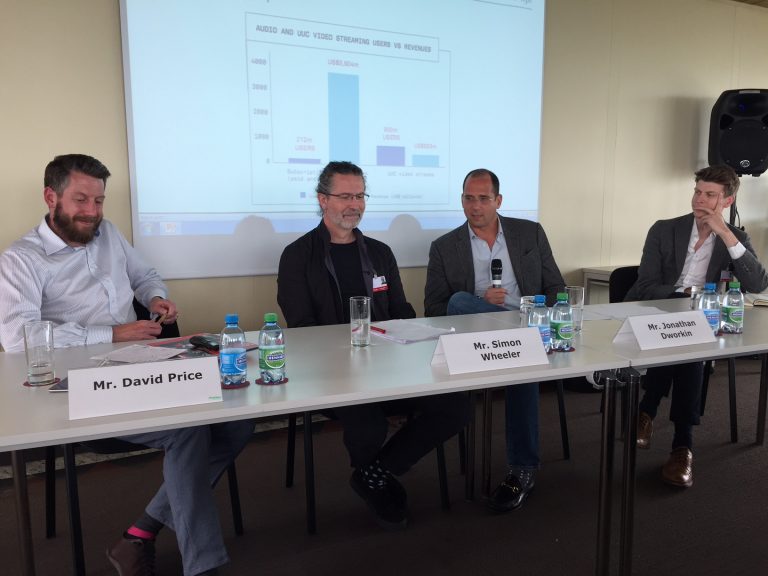
If piracy is still very much a concern of the music industry, the growing shadow of free online streaming platforms, in particular YouTube, has now become a bigger stinger, according to speakers from the industry at an event at the World Intellectual Property Organization on 2 May. Hiding behind safe harbour legislations originally designed to protect internet service providers from being responsible for unlawful downloading by users, YouTube and other such platforms are threatening the industry and the artists, they said.

‘E-Commerce Offers Opportunities, But Many Challenges To SMEs’

E-commerce represents the micro and the massive in business. It offers tremendous potential for business enterprises to access global markets and is there for organisations such as sole traders through small and medium outlets to global giants such as Alibaba and Amazon.

For its third E-Commerce Week from 24-28 April UNCTAD (the United Nations Conference on Trade and Development had the theme, "Towards Inclusive E-Commerce."

WIPO Copyright Committee This Week: Broadcasting, Exceptions, Resale Rights, Digital Environment

A packed week is underway for the World Intellectual Property Organization copyright committee. Delegates are hoping to find agreement on core principles of a treaty protecting broadcasting organisations' rights, and continue work on possible limitations and exceptions to copyright for education, libraries, and research. In addition, they will decide if they want to work on the issue of resale right, and will consider copyright in the digital environment.

European Court Of Justice Tightens Screws On “Streaming”

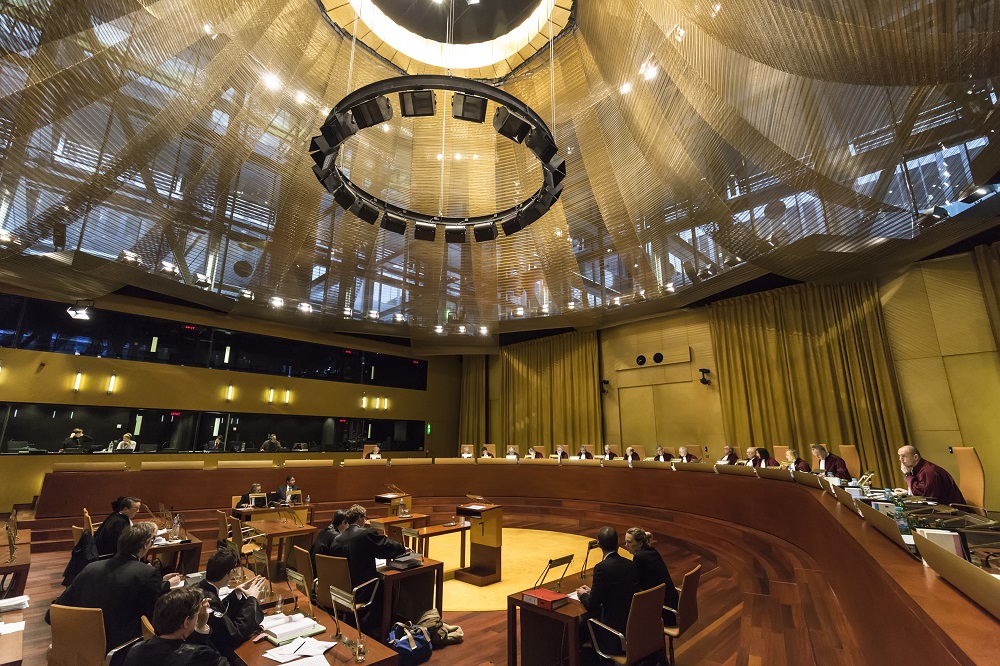
In a judgment this week, the European Court of Justice ruled that "the sale of a multimedia player which enables films that are available illegally on the internet to be viewed easily and for free on a television screen could constitute an infringement of copyright“ (C:2017:300).

New Open Source Licence For Seeds

The Germany-based OpenSourceSeeds initiative this month started to offer open source-licensed seeds in an effort to strengthen a form of “copyleft” for new plant varieties. The goal, according to the organisation established by academics, activists and breeders and establish a non-private seed sector as a second pillar alongside private plant breeding.

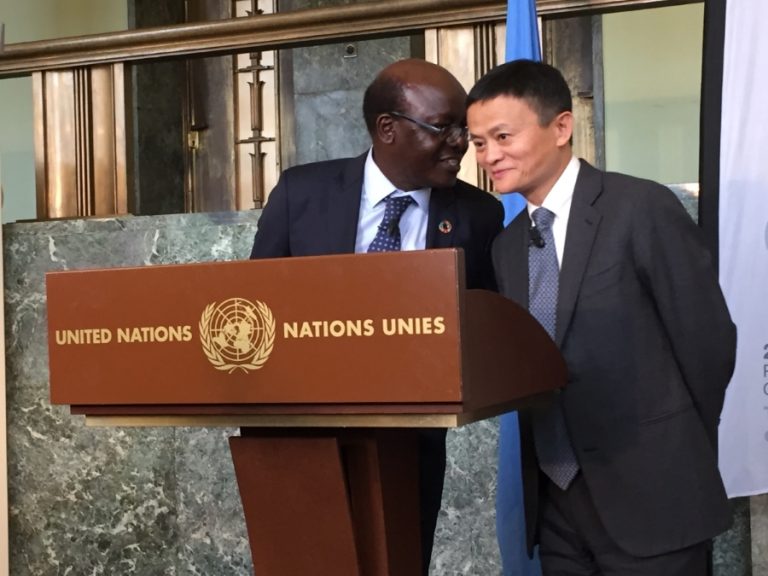
E-Commerce Is For Young People, Small Enterprises, Regulation Not Essential, Alibaba Founder Tells Geneva

Electronic commerce should be the realm of young people under 30 and of small enterprises, according to Alibaba founder Jack Ma, speaking at an event on digital trade in Geneva this week. He also pressed countries to just get on the e-commerce train, and worry about regulations later. Meanwhile, World Trade Organization Director General Roberto Azevêdo said at the same event that without help small companies would no better survive the competition of large companies online than they did in the real world.