Civil Society And TRIPS Flexibilities Series – Translations Now Available
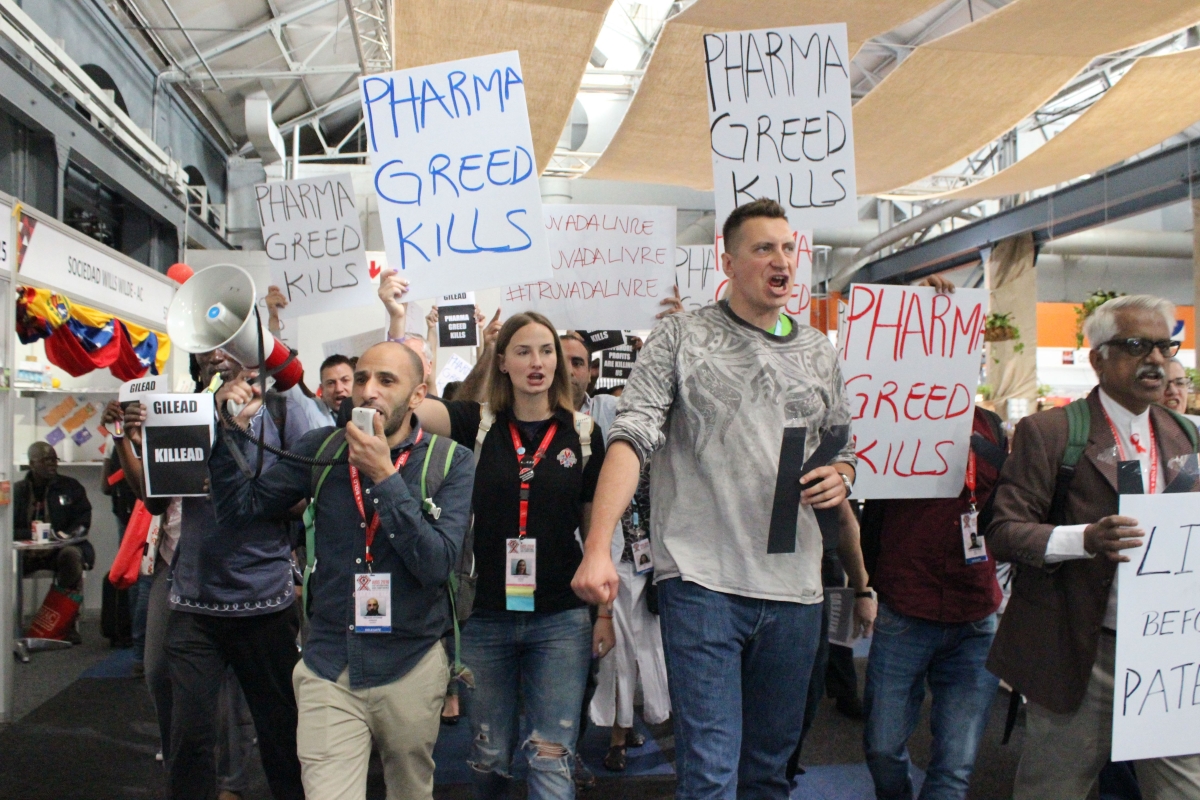
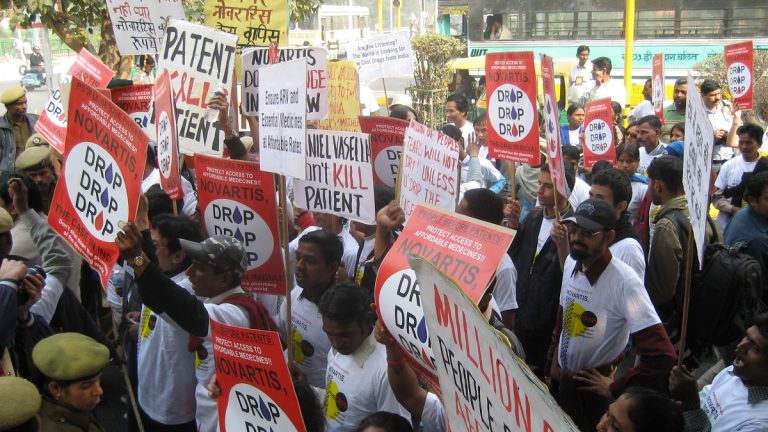
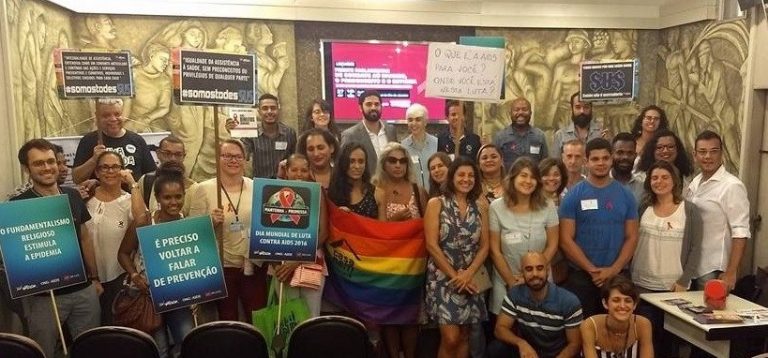
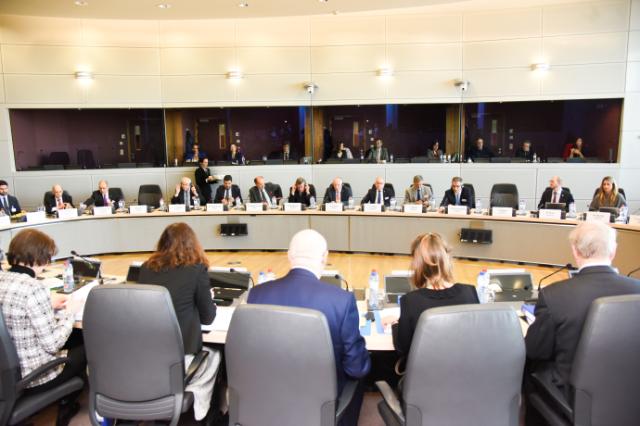
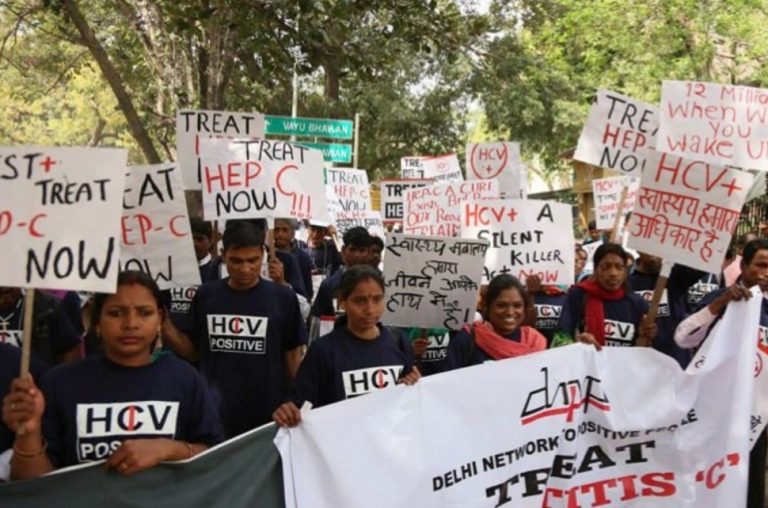
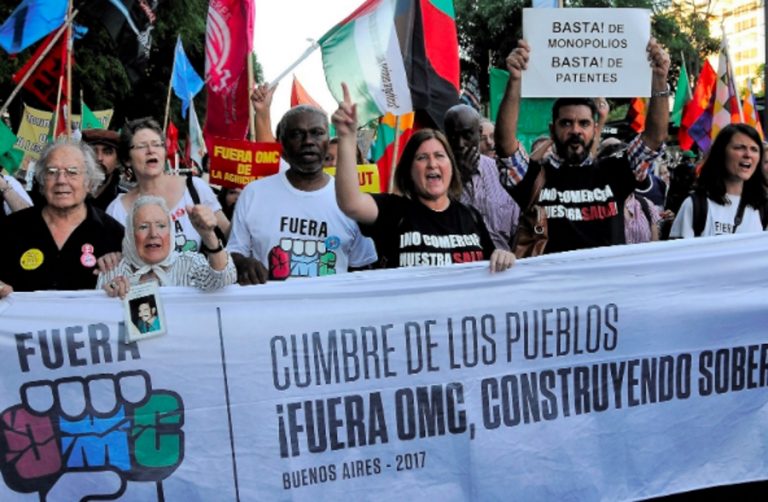
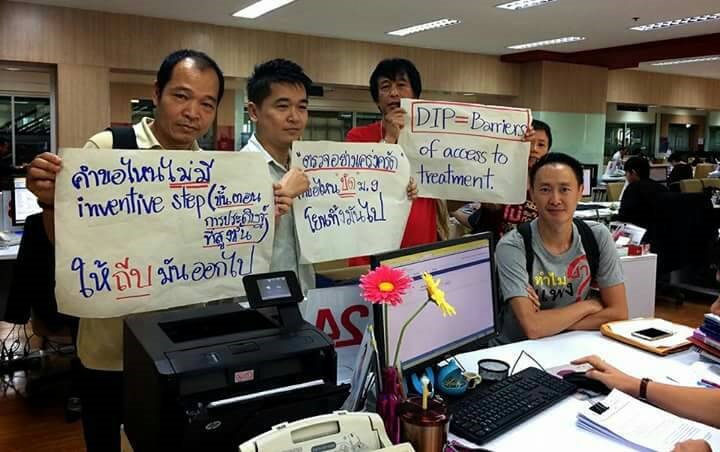
Patients around the world, in developing and developed countries, are encountering barriers to access to affordable medical products, in part due to patents and resulting high prices. This is occurring despite longstanding protections built into international trade rules to allow smaller economies to act on behalf of their people and make such medical products available regardless of patents. These protections are often referred to as flexibilities in the 1994 World Trade Organization Agreement on Trade-Related Aspects of Intellectual Property Rights (TRIPS). The prevailing view is that knowledge, understanding and use of them remains limited among policymakers and many potential beneficiaries, even as patent-strong nations and their industries work to narrow the reach and ability to use these flexibilities. In the face of this, global civil society in recent years have increasingly begun work to change the direction of this trend, with the ultimate goal of helping people everywhere - but particularly poor populations - obtain drugs they need that exist but are out of their reach. Now, the series of Intellectual Property Watch stories on this subject sponsored by Make Medicines Affordable have been translated into five languages.