Category English

When Machines Create Intellectual Property, Who Owns What?

The concept of machines that can think and create in ways that are indistinguishable from humans has been the stuff of science fiction for decades. Now, following major advances in artificial intelligence (AI), intellectual property created by machines without human input is fast becoming a reality. The development thus begs the question among legal scholars, legislative bodies, and judiciary branches of governments worldwide of who owns the intellectual property that humans did not create.

New Gene-Editing Technology Whets Appetites In Health, Food Industry, Fuels Patent Fights

A new discovery allowing easier and swifter genome editing, considered by some as a major game changer in the field of biology, is opening doors to new technological wonders in many areas, such as medicines and agriculture. Yesterday, the United States Patent and Trademark Office issued a ruling on a case where two US university laboratories both claimed the invention of a genome editing technique. The USPTO decided that the two universities had made distinct discoveries. In Europe, patents from both universities on the technology are also challenged at the European Patent Office.

Special Report: WHO Board Sets Review Of 10-Year Effort To Boost Medicines Access, Affordability

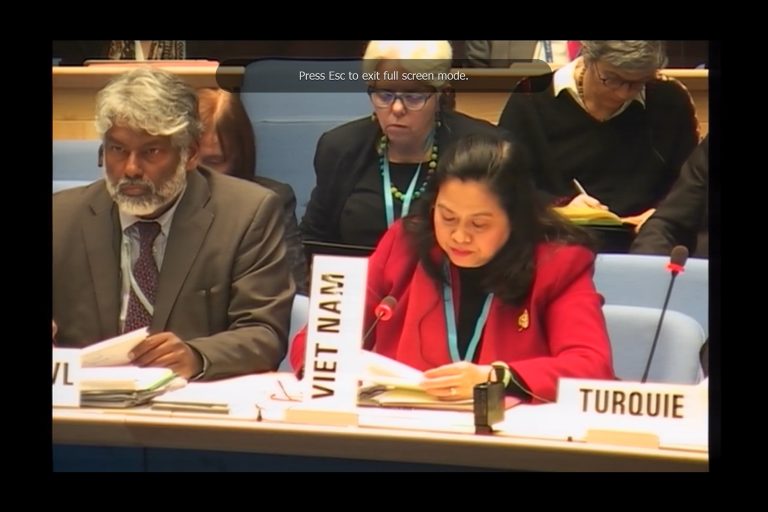
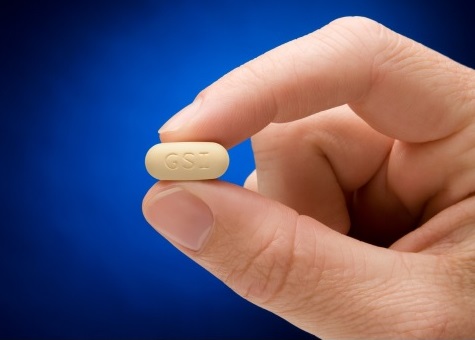
Once considered a breakthrough in negotiations to address problems of making cutting-edge medical products and research available to poor countries, the decade-old World Health Organization Global Strategy and Plan of Action on Public Health, Innovation and Intellectual Property (GSPOA) is now undergoing review, with the WHO Executive Board calling for a report on the initiative and plans for its future next year.

European Parliament Passes CETA After Debate Over Whether It’s A Good Or Bad Deal

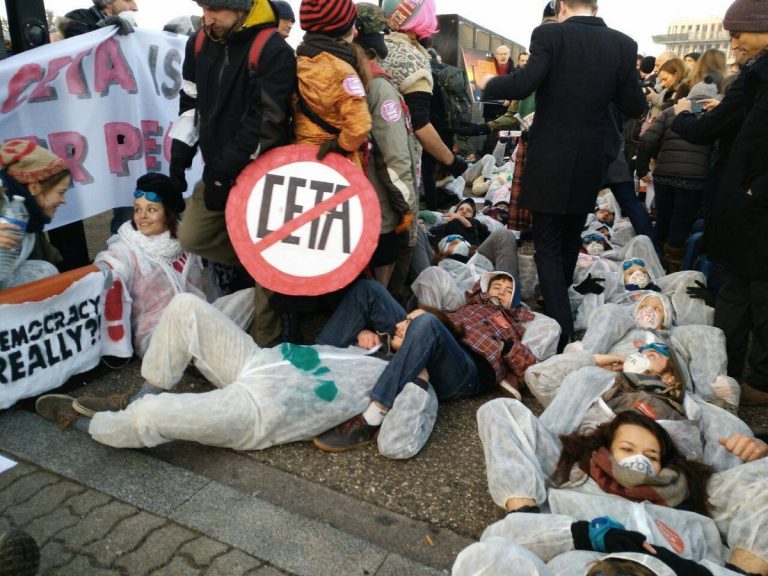
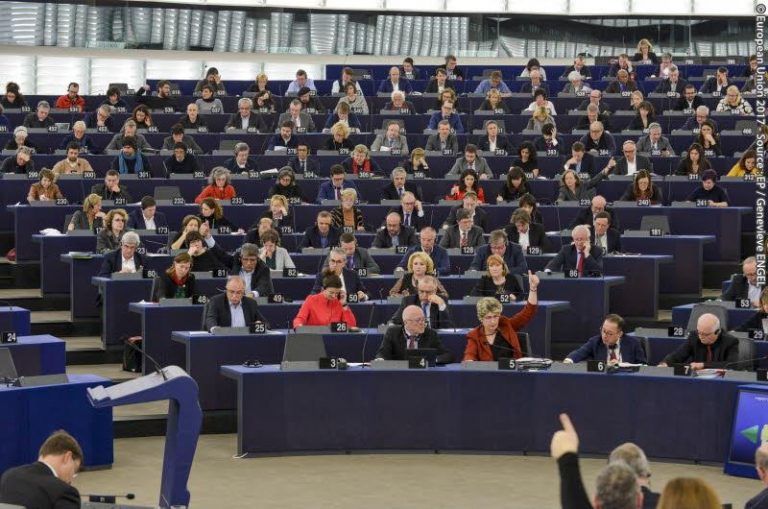
After a somewhat tumultous debate, the European Parliament today in Strasbourg voted in favor of the Comprehensive Economic and Trade Agreement (CETA) with Canada. With 408 members of Parliament voting in favour and 254 against (33 abstentions) the 1598-page thick deal can become provisionally effective as early as April. The national parliaments still have to ratify it over the coming months, and possibly years.

Kenya Works With Communities On Genetic Resources And Traditional Knowledge Protection

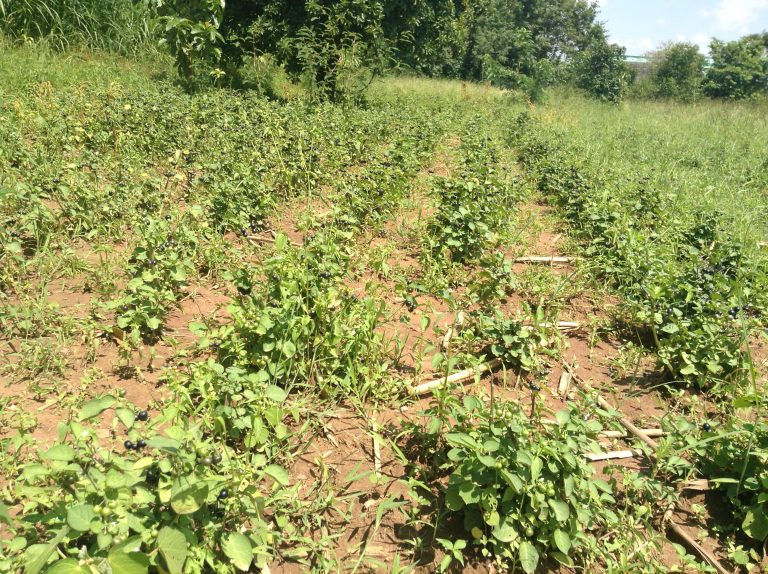
NAIROBI, Kenya -- Excessive degradation and over-exploitation of plant biodiversity in Kenya has led to depletion of some species and narrowed their genetic base. Apart from the conservation challenge, utilisation and sharing of benefits from plant genetic resources and traditional and associated knowledge among communities has also remained opaque despite constitutional guarantees.

Geneva Health Campus: New Home For Global Fund, GAVI, Unitaid In 2018

The construction of a new building to host the Global Fund to Fight AIDS, Tuberculosis and Malaria and other key players in the area of global health is well under way in Geneva. The “Campus Santé” (Health Campus) is expected to open its doors at the beginning of 2018. The hosts of the building will be tenants, while the investment costs are borne by Crédit Suisse, a prominent Swiss investment bank.

European Parliament Demands Transparency In Expert Groups, Protection For Whistleblowers

The European Commission is reforming the way it populates its "expert groups" which has been criticized as unbalanced and non-transparent for years. But the European Parliament is not satisfied. In a report on its own initiative passed in Strasbourg today practically unanimously (663 in favour, 16 against, 13 abstentions), the Parliament requested the Commission make public how it decides the composition of expert groups and explain which interest groups are to be represented and how geographical and political interests will be balanced.

The Problem With Rare Diseases: R&D Lacking, High Prices, Discrimination, IP Issues

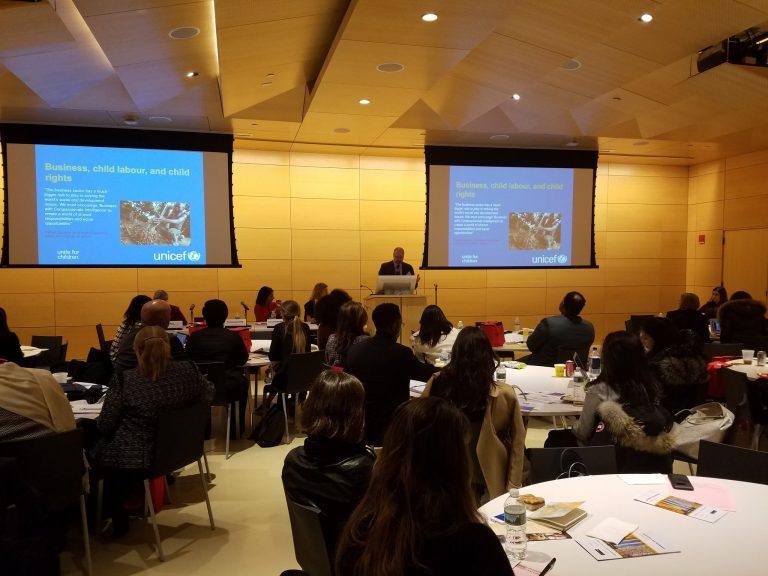
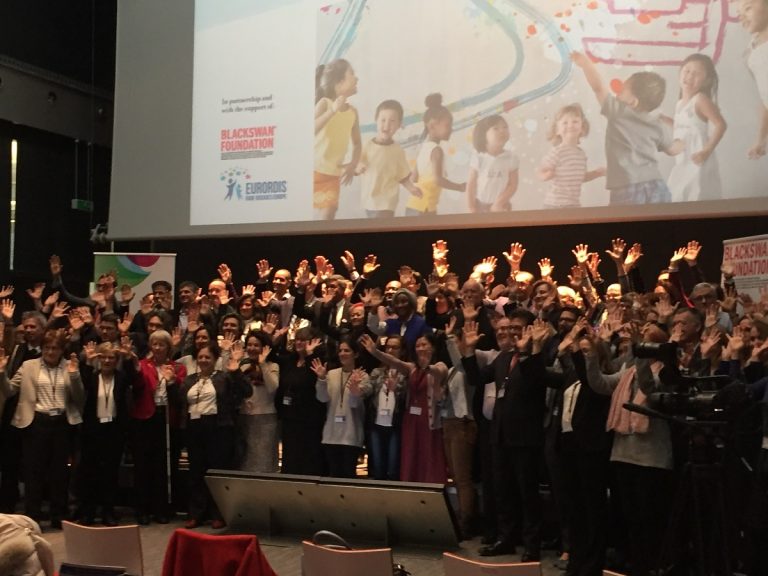
Over 6,000 rare diseases, those affecting very small populations, have been documented in the world. For those affected, treatments are mostly non-existent, and if they do exist, are not affordable. An event last week gathered a number of stakeholders, including rare disease organisations, the World Health Organization and the pharmaceutical industry to discuss the particular issue of rare diseases. The case of rare diseases is an exacerbated example of research, pricing, accessibility and affordability.