Category English

Cancer Resolution Not Agreed Yet At WHO; Work Needed On IP Issues

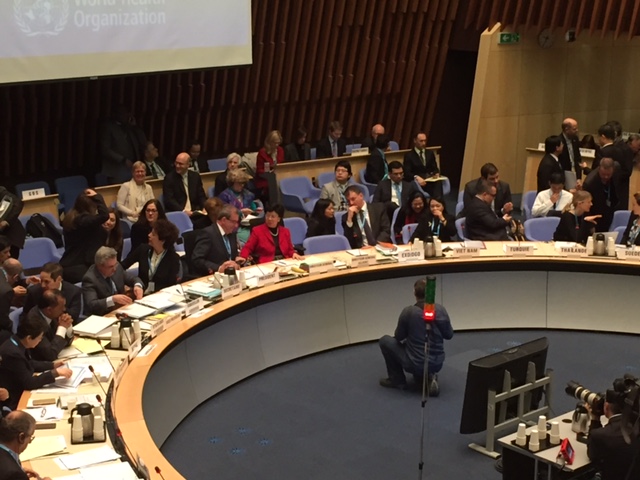
World Health Organisation members tried to agree on a draft resolution on cancer during the WHO Executive Board but consensus escaped them, in particular on intellectual property issues, according to sources. The text is expected to be discussed informally with a view to reaching common language on the remaining issues by the annual World Health Assembly in May.


WHO-Led Efforts To Boost R&D In Neglected Diseases Jeopardised By Funding Gap

Finding resources to fund research and development for diseases primarily affecting developing and least-developed countries is a continuous challenge. Hopes were raised in 2015 with projects to launch a Global Observatory on Health Research and Development, and a voluntary pooled fund for research and development projects. However, the lack of funding is jeopardizing those initiatives despite some contributions by developed and middle-income countries.

WHO Members Negotiate Resolution On Cancer; High Prices In Question

Cancer is spreading. According to the World Health Organization, the number of new cases of cancer is projected to increase to 21.6 million annually by 2030. The WHO Executive Board this week is considering a draft resolution for actions by the WHO member states and the secretariat. The resolution is being discussed and amended as issues such as the affordability and the accessibility of new cancer medicines, in particular in developing countries, are highlighted by many.

Is Gates Foundation, WHO’s Biggest Private Funder, Ineligible To Join WHO?

As the World Health Organization Board prepares to consider candidate institutions to be admitted into official relations with the organisation, some health and public interest groups are raising alarm at what they see as a seeming lack of safeguard against conflicts of interest. Particular concern has been raised over admitting the Bill & Melinda Gates Foundation as an observer because of the Foundation trust’s investments in business ventures such as Coca-Cola, which they see as contrary to health goals. But the Gates Foundation, which is the biggest private donor to the WHO, said the trust is a separate entity from the foundation, and therefore does not represent any conflict of interest.

Antimicrobial Resistance At WHO: Accelerating National Plans, Ensuring Accessibility

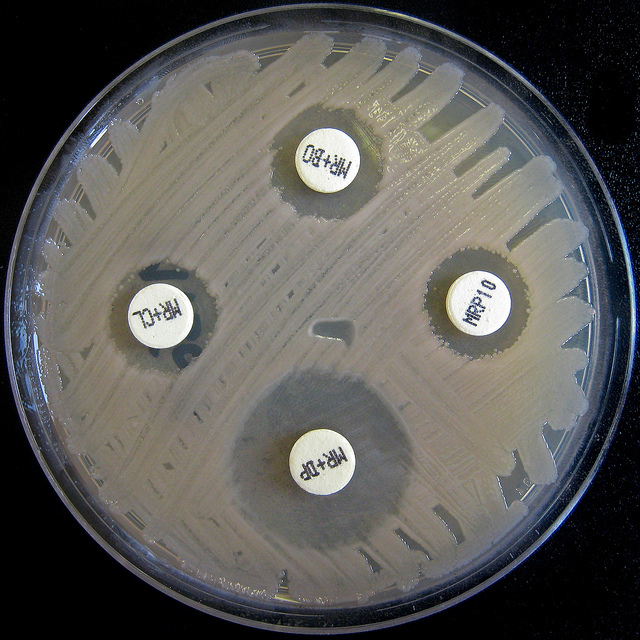
The rising threat of “super bugs,” bacteria resistant to existing antibiotics, was in discussion at the World Health Organization this week. Concerns were voiced about the slow pace of national action plan implementation to improve the careful use of antibiotics. Meanwhile some developing countries and civil society called for priority to be given to accessibility and affordability to new antibiotics.

WHO Fine-Tunes Work On Epidemics In Debates On IHRs, R&D Blueprint

The Ebola outbreak spurred actions from the World Health Organization in terms of how to deal with emergencies and also getting medicines and vaccines to patients in emergency situations. The secretariat presented an implementation plan for the International Health Regulations, and a report on its recent blueprint on research and development for potentially epidemic diseases at its Executive Board meeting this week. The United States sought to limit the scope of WHO's work on R&D in this context.