Category Trademarks/Geographical Indications/Domains

Global Innovation Divide: Can Investment In Innovation Bridge The Gap?

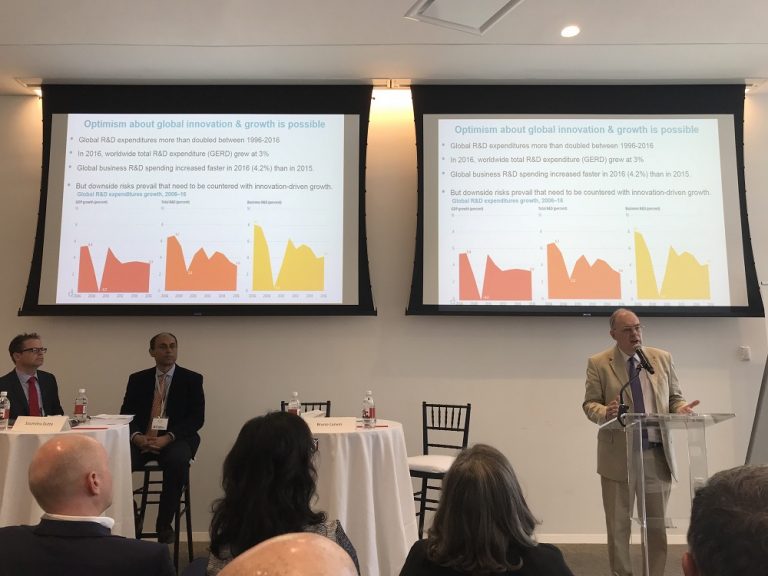
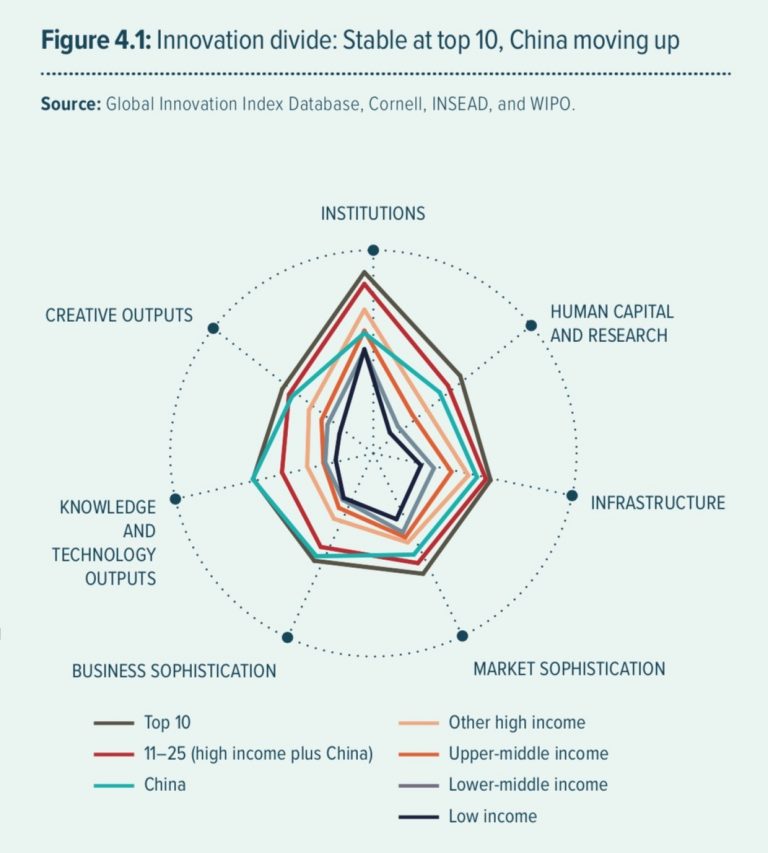
The Global Innovation Index 2018, launched on 10 July in New York, has lauded the rise of China as a model for how other low and middle-income economies can advance on innovation. Amid this optimism, however, the global innovation divide remains in step with the global income divide, raising questions for how to bridge this gap. The new index shows signs of progress.

Albania Introduces New Trademark Regulation

A new trademark regulation entered into force in Albania on June 7, 2018, clarifying a range of issues raised by the changes to the Albanian Industrial Property Law in force as of March 24, 2017. Some of the most significant changes and clarifications concern the following:

Outcome Of ITU Global Regulators Symposium: Interview With Brahima Sanou

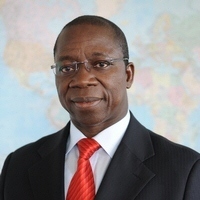
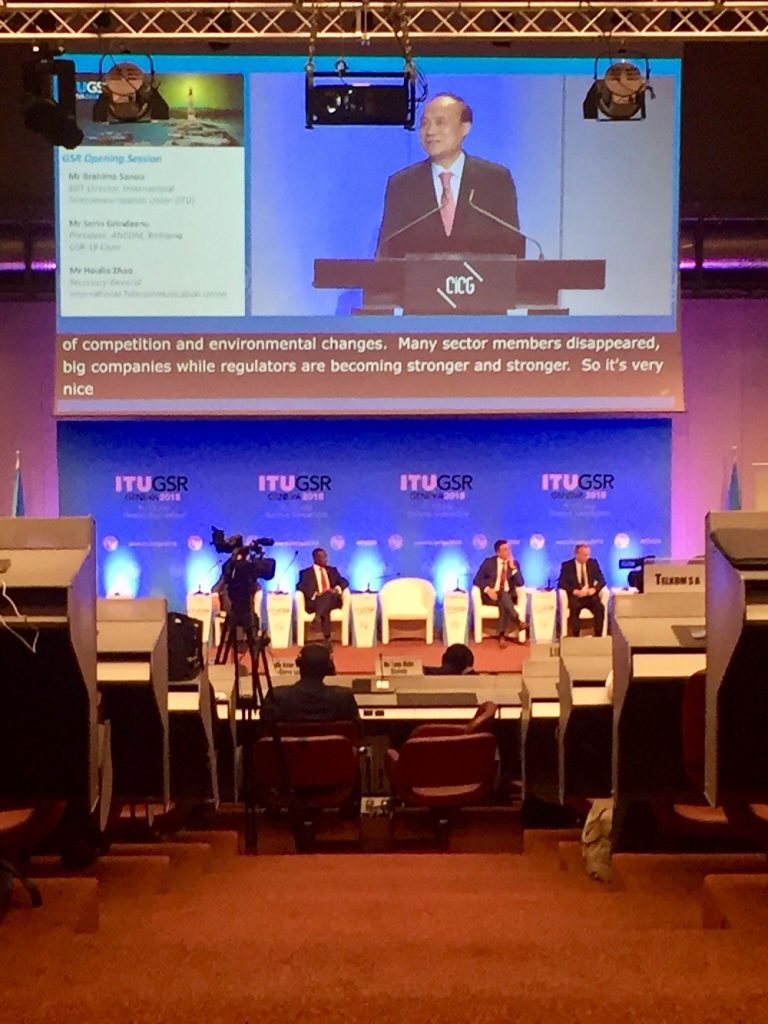
Heads of national information and telecommunications regulatory authorities gathered in Geneva for an annual symposium, and agreed on global best practice guidelines for the new digital ecosystem. After the meeting, Brahima Sanou, head of the UN International Telecommunication Union Development Bureau answered Intellectual Property Watch on the outcome of the meeting, and topics such as privacy and the digital divide.

UN Launches High-Level Panel On Digital Cooperation, Led By Melinda Gates And Jack Ma

The United Nations today announced it has launched a high-level panel on digital cooperation, co-chaired by Melinda Gates (wife of Bill Gates of software titan Microsoft), and Jack Ma, head of China's e-commerce titan Alibaba Group. The 20-member panel will "identify policy, research and information gaps, and make proposals to strengthen international cooperation in the digital space," according to a release.

Global Innovation Index 2018: China Breaks Into Top 20, US Drops Out Of Top 5

NEW YORK -- The 11th edition of the Global Innovation Index 2018 (GII), co-published by Cornell University, INSEAD, and the World Intellectual Property Organization, was released yesterday at a launch event in New York. This year's report showed Switzerland still at the top overall, China continuing to rise, the United States slipping, and explored how countries can vary on inputs and outputs of innovation.

Helping Understand The Internet Phenomenon: Interview With New ISOC CEO Andrew Sullivan

Starting 1 September, Andrew Sullivan takes on the role as CEO and President of the Internet Society. Selected by the ISOC Board of Trustees, Sullivan looks like an apt bridge builder between the world of internet technology and the world of policymakers. Equipped with experience in developing technology at Dyn, a DNS company recently acquired by Oracle, and a tenure as Chair of the Internet Architecture Board, a peer body of the standards body Internet Engineering Task Force, Sullivan has a degree in philosophy and is no stranger to public sphere theorist Juergen Habermas. After the heavy attack on Dyns DNS network, via low-cost cameras – the so-called Mirai attack – the Canadian warned against knee-jerk attempts for regulation, but acknowledged that technological solutions might need some assistance from policymakers. Answering questions with journalist Monika Ermert in writing from the meeting of the ISOC Board of Trustees in Panama, Sullivan diplomatically underlined that collaboration is key for everything on the internet. In his new position, Sullivan follows Kathy Brown, a former AT&T manager.

WTO Panel On Australia’s Tobacco Plain Packaging: A Fact Dependent Analysis Of TRIPS Art 20

The WTO Panel’s long-awaited Reports in the four complaints against Australia’s tobacco plain packaging measures were circulated on 28 June 2018, more than 4 years since Panel establishment. Australia’s victory was absolute. It successfully defended its measures against every claim. Yet closer analysis of the Panel’s reasoning regarding specific provisions such as Article 20 of the TRIPS Agreement may cause some concern for policy-makers given how much the Panel’s conclusions relied on its assessment of the facts and evidence before it.