Category Trademarks/Geographical Indications/Domains

Australian Tobacco Plain Packaging Upheld In Decision At WTO

A World Trade Organization dispute settlement panel has ruled that Australia's law requiring tobacco products be sold in plain packages in the interest of public health does not violate the country's obligations at the global trade body. In Australia and increasingly in other countries, tobacco must be sold with no trademarks or marketing visible other than name. The landmark dispute was seen by some as at the nexus of economic and health interests for the WTO.
Indigenous Knowledge Databases: Is It Something To Be Concerned About?

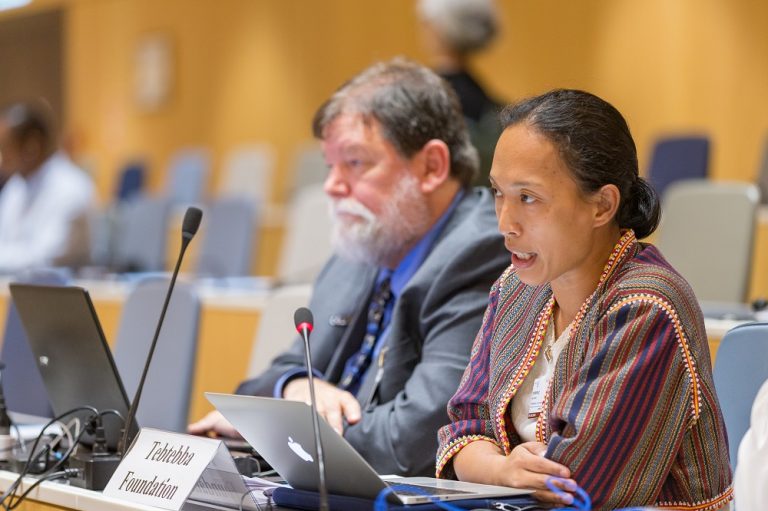
Almost all information today ends up in a database. It is organised and made readily accessible. While it sounds positive, for indigenous communities, it can be crucial. Databases of their knowledge, culture, and genetic resources, if misused, can undermine generations of community effort and maybe even their sustainability. A panel of indigenous peoples’ representatives presented their concerns about databases this week to governments attending a World Intellectual Property Organization meeting on genetic resources.

Internet Policy – Whois And GDPR: Sky Not Falling Just Yet?

The struggle over how to comply with Europe's new General Data Protection Regulation dominates the agenda of the upcoming meeting of the Internet Corporation for Assigned Names and Numbers (ICANN) in Panama. With the basic question how much data ICANN can ask its contractual partners to collect and store about its domain name customers, ICANN this week opened another hot topic to be discussed when publishing a paper on unified access to registration data. Meanwhile, trademark owners weighed in.

Data Localization (Nearly) Banned In EU

The European Parliament, Council and European Commission on 19 June cut a deal on a new regulation on the free flow of non-personal data. The regulation, which is expected to pass the final votes in Parliament and Council without further issue, is a European answer to concerns over potential data localization obligations, which came into some demand following the Snowden revelations about intelligence services hoovering data from netizens.

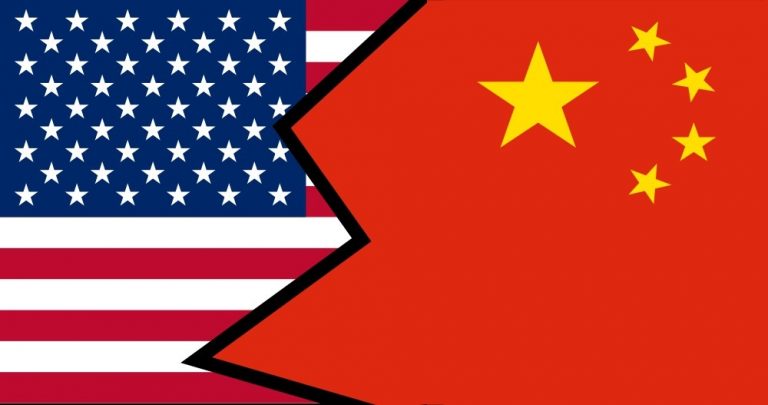
US Imposes USD 50B In Tariffs On China For Forced IP/Tech Practices, Cybertheft

The United States today released a list of products imported from China to the US on which additional tariffs will be placed as a measure aimed at pressuring China to change its practices the US says force US companies to give up intellectual property and transfer technology. Some industries have been dropped from the list such as pharmaceuticals, while a second list has now been announced, officials told reporters this morning.

Indigenous Peoples Seek Involvement In WTO To Defend Rights (Video)

Indigenous peoples are losing their genetic resources and traditional knowledge and need to be involved in negotiations on World Trade Organization intellectual property rules and the UN Convention on Biological Diversity, representatives told a conference on the subject last week. In a podcast and video interview with Intellectual Property Watch below, the indigenous representatives explain their case.

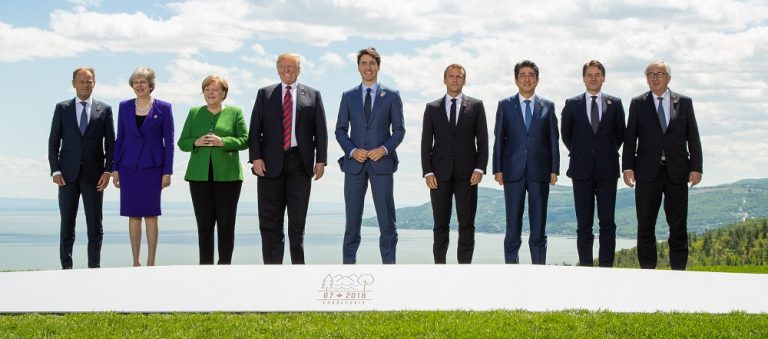
IP, AI, Health Commitments Mere Footnotes In Quarrel Between G6 And Trump?

Leaders at the G7 Summit tried to mitigate tensions by taking on some US favourites in their final communiqué like “forced technology transfers,” a topic brought up only recently by the United States at the World Trade Organisation. Forced technology transfers, according to US diplomats, are licensing and administrative rules entertained by China to oblige foreign firms to share technology in exchange for gaining access to the Chinese market. They also had sought to agree on a vision for artificial intelligence, a range of health issues, and foreign cyber interference with elections.

TRIPS Council Debates IP Improving Lives, Competition Law To Increase Medicines Access

Whether intellectual property rights are improving lives or whether they should be reined in by tools such as competition law to increase access to medicine, education, and innovation, was debated this week at the World Trade Organization committee on intellectual property. Also on the agenda was a suggestion by least-developed countries to create incentives for developed country companies and institutions to transfer technologies for the benefit of the poorest countries.