Category Trademarks/Geographical Indications/Domains

QUNO Briefs: Food Security Needs Farmers In Global Discussions, Agricultural Biodiversity

The participation of small-scale farmers at the table of international negotiations and the protection of agricultural biodiversity are key to food security, according to the Quaker United Nations Office, which published last month two policy briefs with a list of recommendations.
Industry Group Nears Completion Of List Of Geographical Indications Worldwide

A private sector project to identify and compile all geographical indications in the world in a database is expected to be completed in the fall. The compilation is aimed at helping intellectual property professionals, trademark owners, and other users in their decision-making, and will be freely available, according to the organization for an international Geographical Indications Network (oriGIn). There is currently no international register of GIs.

Strong Application Of GIs May Be Detrimental To Generic Products, Speakers Say

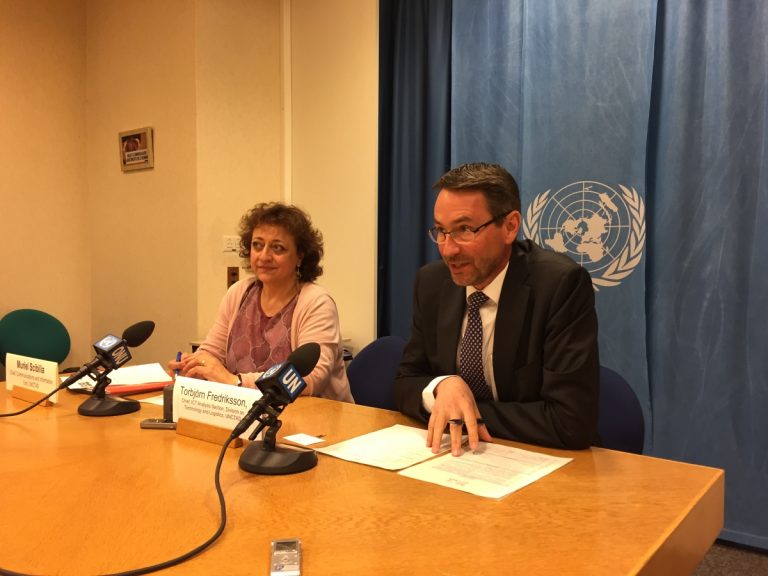
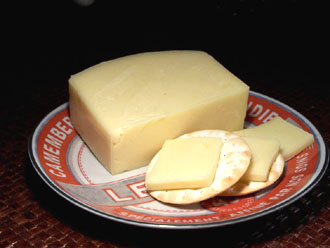
The protection of geographical indications could impede the ability of long-term producers to continue using what they consider as being generic names, according to several speakers at an event last month at the World Intellectual Property Organization. The discussion is also ongoing at the World Trade Organization in the context of barriers to trade. The side event focused on the case of danbo cheese, a Danish cheese manufactured in several countries, particularly in Uruguay.

The Web Is At A Crossroads – New Standard Enables Copyright Enforcement Violating Users’ Rights

Parminder Jeet Singh writes: The World Wide Web today stands at a crossroads, as its standards body, the World Wide Web Consortium (W3C), considers the demand of big content providers to provide them with the facility to be able to control user devices for ensuring that their content is not copied. This facility is called the Encrypted Media Extension (EME), which enables these companies to put digital rights management (DRM) into the user's browser, whether the user wants it or not, and whether such restrictions are as per the user's local national laws or not.

G20 IT Ministers Want Access For All, Commit To Conflicting Objectives

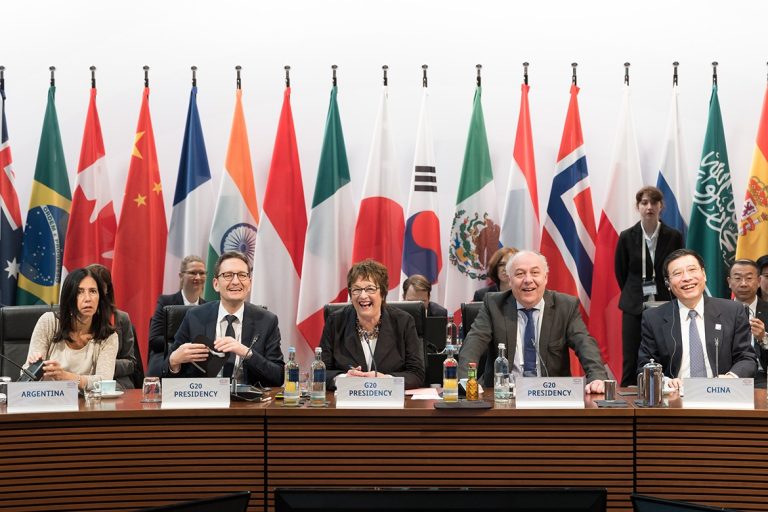
The Group of 20 (G20) ministers responsible for the digital economy today called for further efforts to advance access to the internet for everyone and close the digital gaps that still exist. Gathered in Dusseldorf, Germany, for the two-day IT related preparatory conference for the G20 Summit in Hamburg in July, the ministers signed a declaration on “Shaping the Digitalisation for an Interconnected World.” It was the first time that ministers for digital economy met in the G20 format.

Looking Long-Term, Lisbon System Members Reach Into Wallets To Bail System Out

Pressed to come up with solutions to eliminate the deficit of a World Intellectual Property Organization treaty protecting appellations of origins, members reached into their pocket and came up with close to two-thirds of the needed sum of US$1.5 million.

UNCTAD Electronic Commerce Week: Exploring How All Can Benefit

Later this month, the third edition of the United Nations Conference on Trade and Development week dedicated to electronic commerce will take place. With a value estimated at US$22 trillion globally, e-commerce is booming for business, but mostly still escaping developing countries.

WIPO Committee Moves Ahead On Country Names, Tech Designs, Not GIs

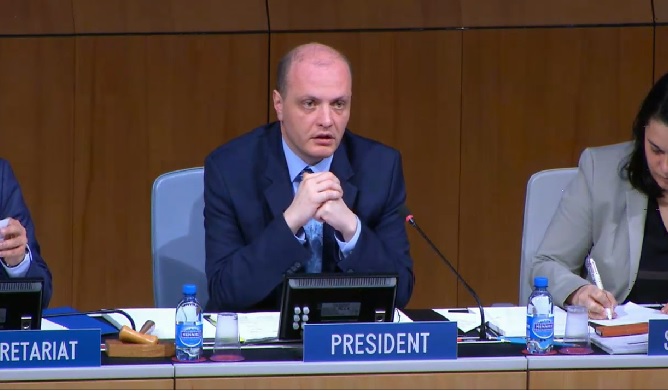
Establishing a work programme on geographical indications at the World Intellectual Property Organization last week proved elusive. A tentative text and time frame by the chair of the committee on trademark and geographical indications (GIs) issued on the last day of the committee did not meet the approval of some member states. The committee did agree on a set of tasks for the WIPO secretariat on the protection of country names against registration as trademarks, and on the protection of new technological designs, such as icons and type fonts.

Special Report: Will The Internet Of Things Need New Patenting/Licensing Strategies?

The Internet of Things (IoT), which will connect billions of devices in coming years, may offer incredible opportunities for businesses and consumers but it also raises significant intellectual property issues, IP lawyers, mobile operators and others say. One key question is whether patenting and licensing strategies will have to change to adapt to the myriad standards being developed and patents being sought for IoT products and services, and for the coming rollout of 5G technologies.