Category Patents/Designs/Trade Secrets

Disruptive Technologies Pose Challenge To IP Protection, Speakers In Thailand Say

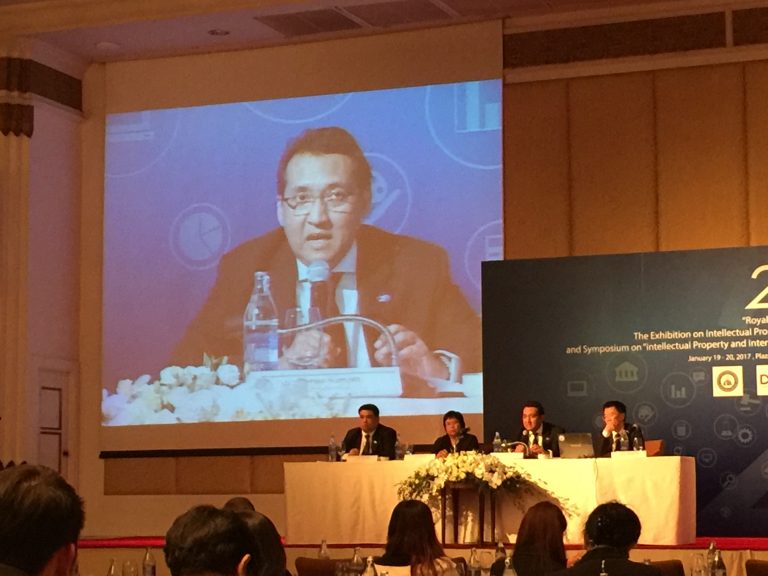
BANGKOK – So-called disruptive innovation - currently referring to the technologies of Internet of Things, virtual reality, artificial intelligence and big data – are changing the way people live their life and affecting existing traditional industries, but current legal regimes are unequipped to deal with these changes yet, government and private experts said at a recent forum here.


Giving Process Its Due When An SDO Changes Rules Of The Game

George Willingmyre writes: The process a Standards Developing Organization (SDO) employs to revise its patent policy is an aspect of the SDO’s competitive posture in the global marketplace. A dearth of research exists on the processes SDOs employ to revise their patent policies. Generally, the processes an SDO uses to revise its patent policy are part of the governance processes of the SDO. As a baseline, the governance processes of an SDO must be consistent with the applicable legal system defining what is acceptable and unacceptable behavior. What an SDO says about its governance processes is a further consideration. Thus the procedures themselves, the procedures’ relationship to the applicable legal system and what the SDO says about the procedures all play a role in understanding how an SDO revises its patent policy.

IP Law In The US: A Look Ahead

Whatever else could be said of 2016, it was undeniably interesting. That’s likely to be true, too, for 2017. Even the staid area of US Intellectual Property Law may face dramatic changes. Here's the likely most important of those changes.

Groups Seek Assurance Of Affordable Zika Vaccine From US Army Exclusive Licence

A range of civil society organisations have issued a public statement opposing the United States Army’s proposed grant of an exclusive licence on technology necessary to produce a Zika vaccine to French pharmaceutical company Sanofi. The letter cites concerns that the exclusive licence might violate US law and could lead to high priced medicines as consumers buy back taxpayer-funded research.

Achieving SDG Health Targets Using ‘The Vital Role Of Law’

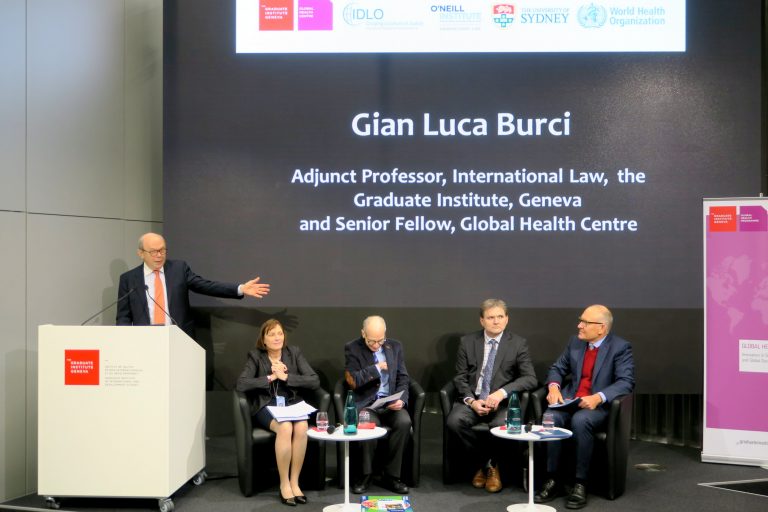
Effective laws, including those around intellectual property rights, and an enabling legal environment, are as essential to a healthy society as clean water, a group made up of a representative of the World Health Organization, academics and a legal expert for a civil society group, have asserted while launching a key report.

WEF Davos: Who Will Own The Knowledge Produced From “Our” Data By Machines?

Artificial intelligence has succeeded the Internet of Things or the earlier cloud mania as buzzword number one at the Annual Meeting of the World Economic Forum that started today (17 January) in Davos, Switzerland. While ethical questions surrounding the intelligent machines are discussed at length and the question for regulatory steps considered, answers of who will own the knowledge created by machines or intelligent bots vary.